
United States
The contemporary art scene in the United States is a dynamic fusion of diverse traditions and avant-garde explorations, resonating across the global art spectrum. Institutions like the Museum of Modern Art in New York and the Los Angeles County Museum of Art are central to this discourse, spotlighting artists from different backgrounds and mediums. Notable figures such as Jeff Koons, known for his monumental public sculptures, and Kara Walker, recognized for her poignant silhouettes and murals, contribute to the vibrant US artistic landscape. Major events like Art Basel Miami further underline the country's role as a nexus of contemporary art. Dive into the robust and compelling art scene of the United States on Composition Gallery's website.
- Show All
- Established
- Discoveries
- Show All
Artworks Related to United States

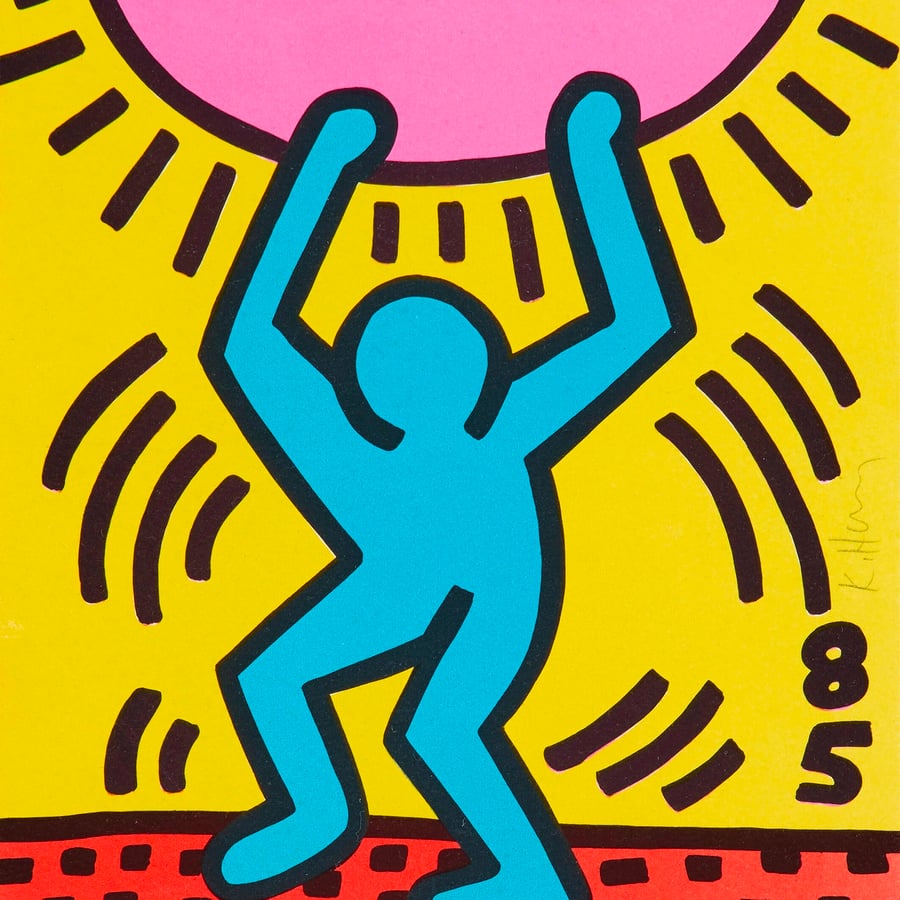
Frank Stella
Honduras Lottery Co., 1972
Limited Edition Print
Lithograph
Currently Not Available
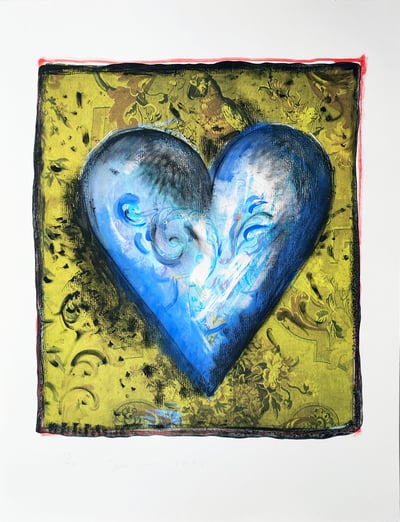
Jim Dine
The Hand-Colored Viennese Hearts III, 1990
Limited Edition Print
Mixed Media
USD 10,800
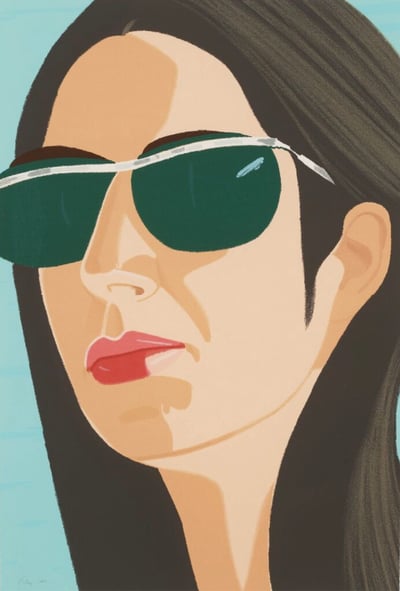
Alex Katz
Ada with Sunglasses , 1990
Limited Edition Print
Screen-print
USD 9,200
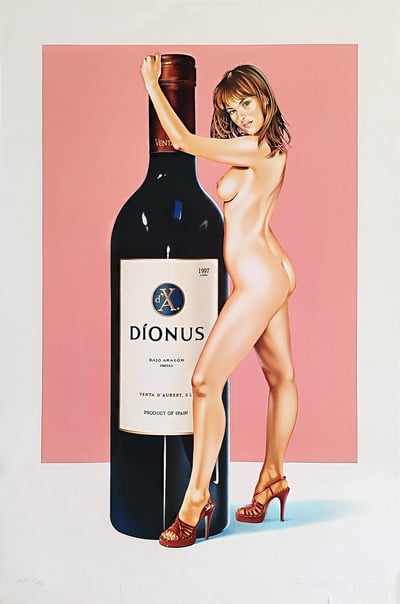
Mel Ramos
Dionus, 2002
Limited Edition Print
Silkscreen
EUR 2,375

Claes Oldenburg
London Knees, 1966
Sculpture / Object
Mixed Media
Currently Not Available
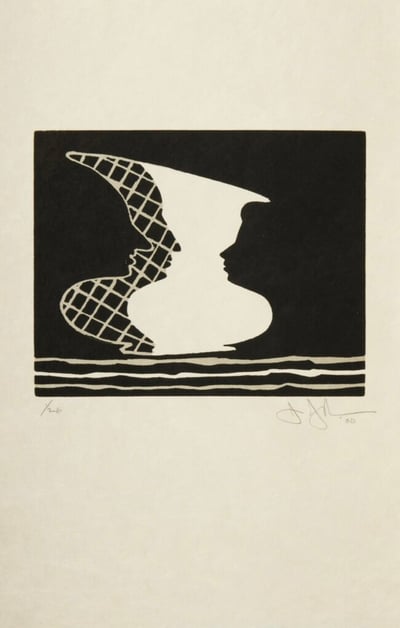
Jasper Johns
Sun on Six, 2000
Limited Edition Print
Linocut
Inquire For Price

Jasper Johns
Hinged Canvas, 1971
Limited Edition Print
Lithograph
USD 5,000

Jasper Johns
Untitled (from The Geldzahler Portfolio), 1998
Limited Edition Print
Etching
USD 6,300

Jasper Johns
Valentine, 2010
Limited Edition Print
Etching and Aquatint
Currently Not Available
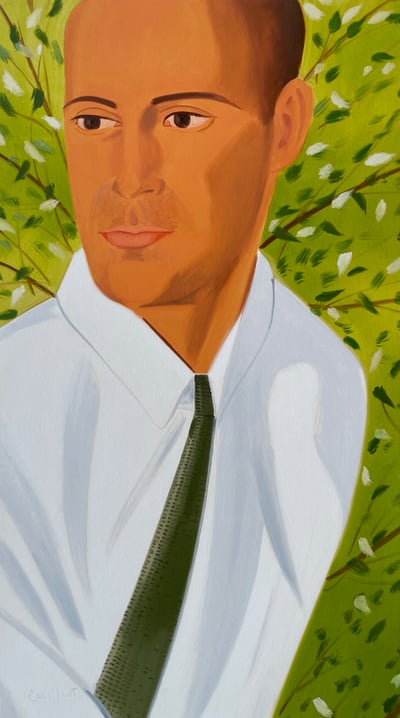
Alex Katz
White Shirt (Perry), 2021
Limited Edition Print
Pigment print
Inquire For Price
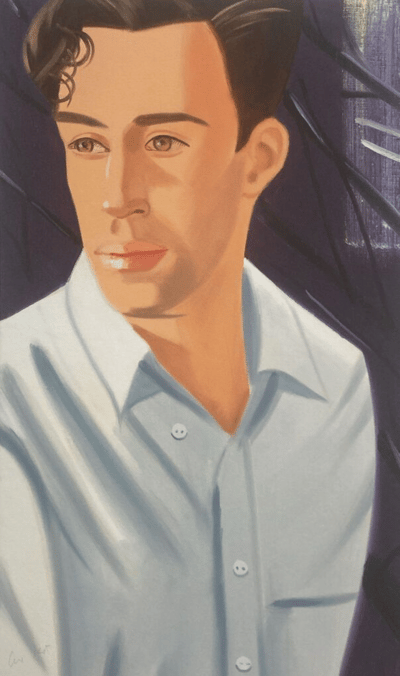
Alex Katz
White Shirt (Vincent 1), 2021
Limited Edition Print
Pigment print
Inquire For Price
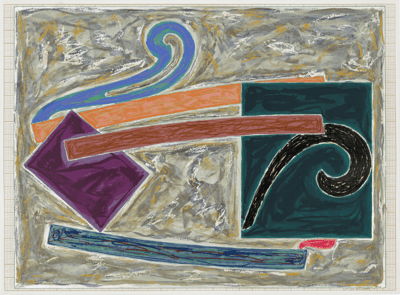
Frank Stella
Inaccessible Island Rail, 1977
Limited Edition Print
Mixed Media
USD 17,750
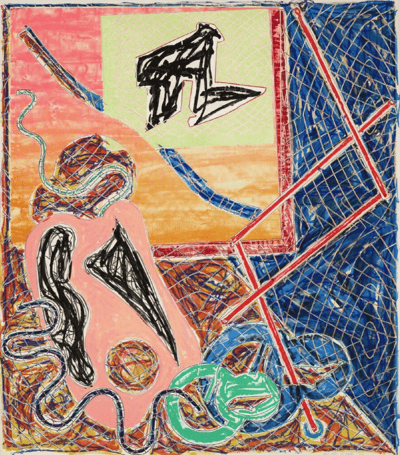
Frank Stella
Shards I, 1982
Limited Edition Print
Mixed Media
Inquire For Price
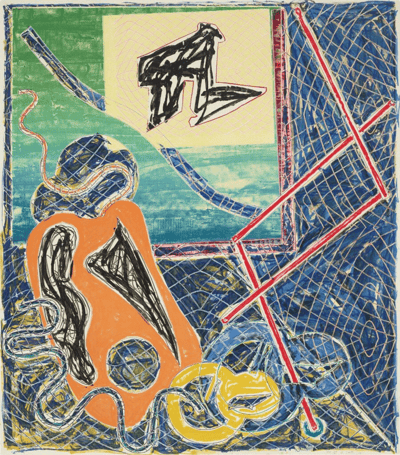
Frank Stella
Shards Variant Ia, 1982
Limited Edition Print
Mixed Media
Currently Not Available
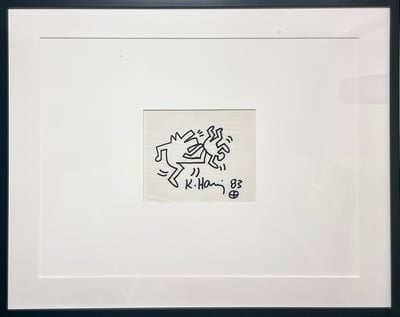
Keith Haring
Untitled (drawing), 1983
Drawing / Watercolor
Marker
Inquire For Price
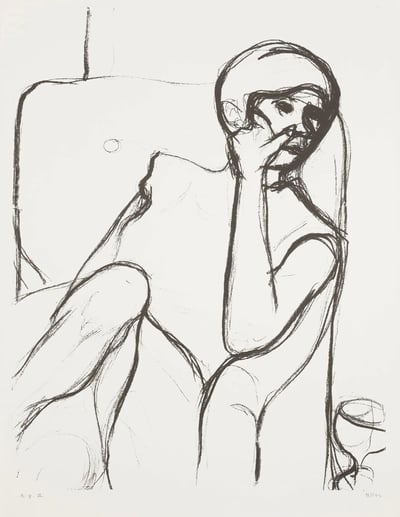
Richard Diebenkorn
Seated Woman in Arm Chair, 1965
Limited Edition Print
Lithograph
Currently Not Available
Related Articles
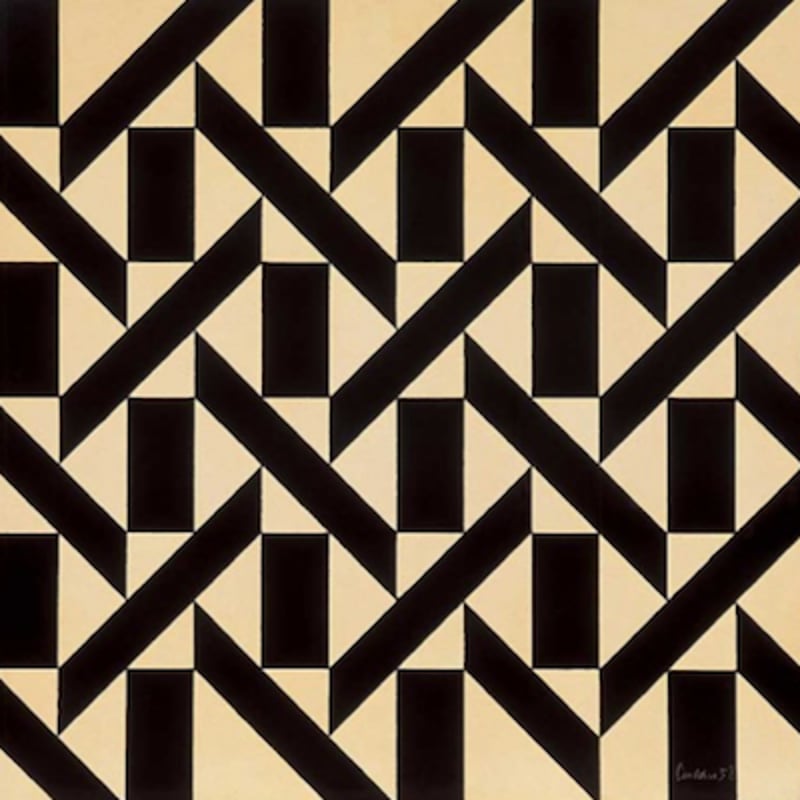
Grupo Ruptura was an organization formed in Brazil by artists who sought to break away from traditional naturalist painting in favor of geometric abstract art. In the early 1950s, the group published the Ruptura Manifesto, advocating for new art for a new country. The manifesto emphasized a departure from the past and a commitment to innovation, aligning with the modernist vision of Brazil as a forward-looking nation.
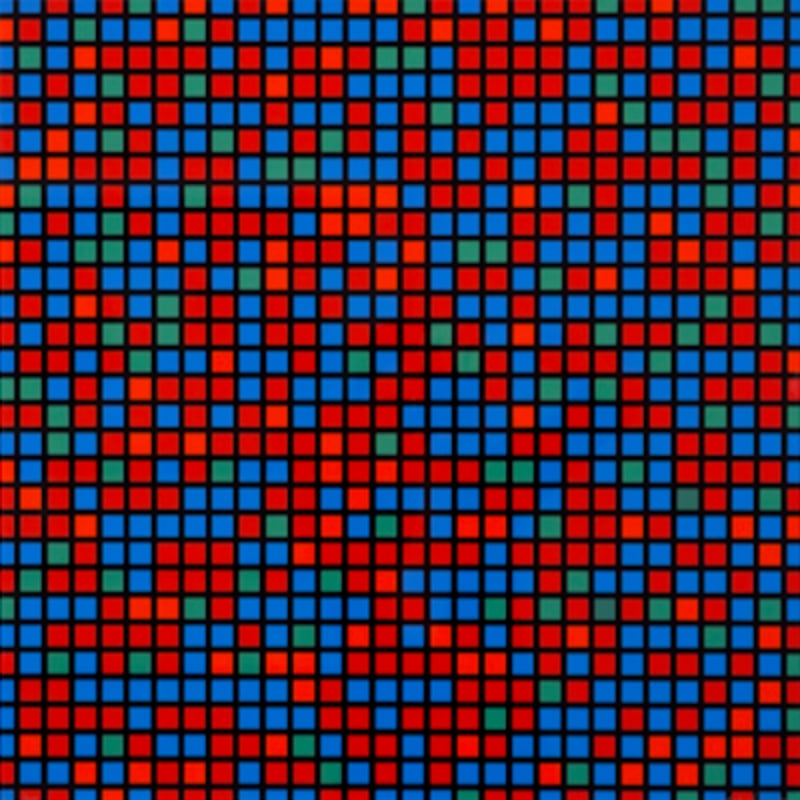
Geometric abstraction is a form of abstract art that uses geometric shapes arranged in a non-illusionistic space (though not always) and combined into non-representational (non-objective) compositions. Based on years of artistic research, some artists have proposed that geometric abstraction offers a solution to modern challenges by rejecting traditional illusionistic practices in favor of clarity and simplicity.

An artist proof traditionally refers to a print impression taken during the printing process to evaluate the current state of the artwork as the artist works on the plate. These proofs often show incomplete images and are sometimes called trial impressions or working proofs. However, in modern practice, an artist proof typically refers to an impression of the finished work that is identical to the numbered edition copies but is set aside for the artist's personal use. Artist proofs are usually marked A.P. and may be considered more valuable by collectors due to their limited availability.
Can't find your Answer?
Thank you! Your question has been sent — we'll get back to you shortly.
