
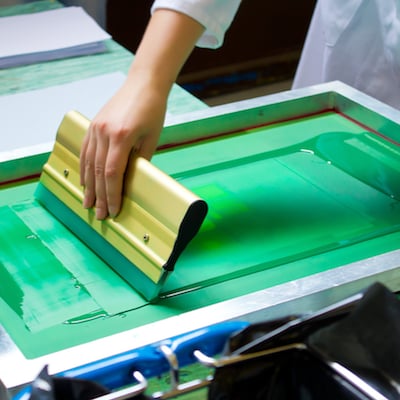
What is a screen-print?
- Show All
- Established
- Discoveries
- Show All
Artworks Related to Screen-print
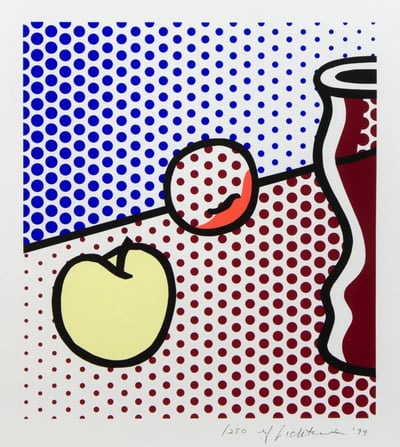
Roy Lichtenstein
Still Life with Red Jar, 1994
Limited Edition Print
Screen-print
GBP 18,500 - 24,000

Keith Haring
Untitled (Plate 4), from Fertility, 1983
Limited Edition Print
Screen-print
GBP 58,000 - 70,000
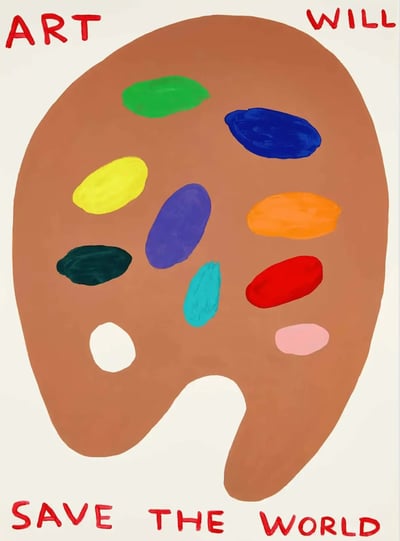
David Shrigley
Art Will Save The World, 2019
Limited Edition Print
Screen-print
GBP 5,750 - 7,400
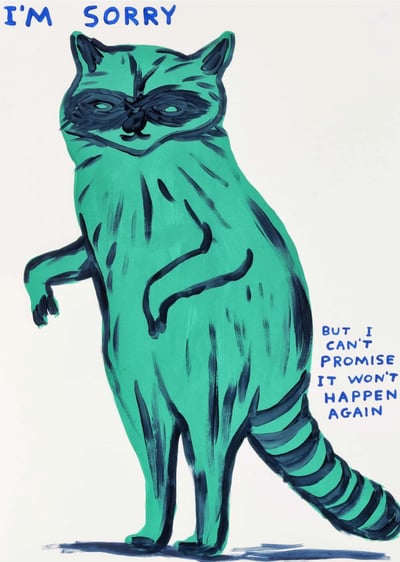
David Shrigley
I’m Sorry But I Can’t Promise It Won’t Happen Again, 2021
Limited Edition Print
Screen-print
GBP 4,250 - 5,500
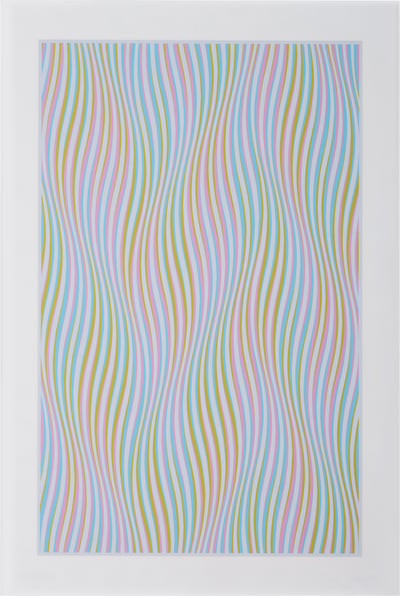
Bridget Riley
Elapse, 1982
Limited Edition Print
Screen-print
GBP 18,000 - 23,000
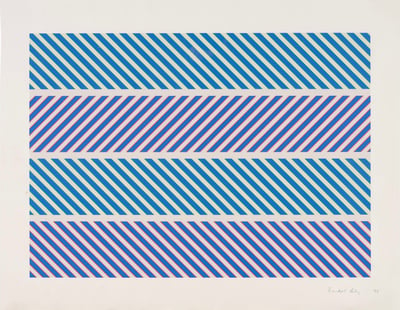
Bridget Riley
Untitled (Rothko Portfolio), 1973
Limited Edition Print
Screen-print
GBP 16,000 - 20,000
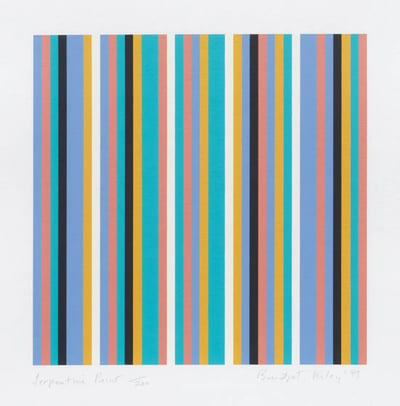
Bridget Riley
Serpentine, 1999
Limited Edition Print
Screen-print
GBP 12,000 - 15,600

Banksy
Gangsta Rat (Unsigned), 2004
Limited Edition Print
Screen-print
GBP 18,000 - 23,000

Banksy
CND Soldiers (Unsigned), 2005
Limited Edition Print
Screen-print
GBP 14,000 - 18,200
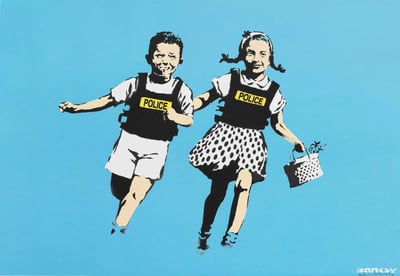
Banksy
Jack & Jill, 2005
Limited Edition Print
Screen-print
GBP 33,000 - 40,000

Banksy
Toxic Mary, 2003
Limited Edition Print
Screen-print
GBP 34,000 - 42,000

Andy Warhol
Flowers (F. & S. II.72), 1970
Limited Edition Print
Screen-print
GBP 78,000 - 100,000
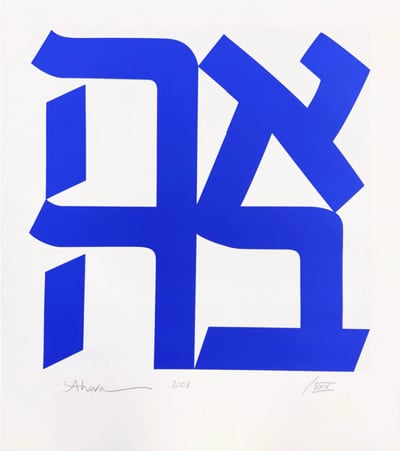
Robert Indiana
Ahava, 2008
Limited Edition Print
Screen-print
USD 3,150
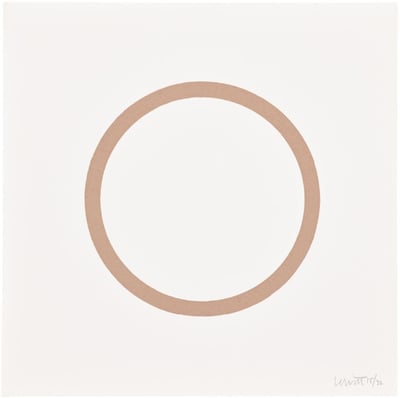
Sol LeWitt
Plate 1 (from Five Geometric Figures in Five Colors), 1986
Limited Edition Print
Screen-print
USD 1,200

Sol LeWitt
Plate 7 (from Five Geometric Figures in Five Colors), 1986
Limited Edition Print
Screen-print
USD 1,200

Sol LeWitt
Plate 7 (from Five Geometric Figures in Five Colors), 1986
Limited Edition Print
Screen-print
USD 1,200
Related Articles
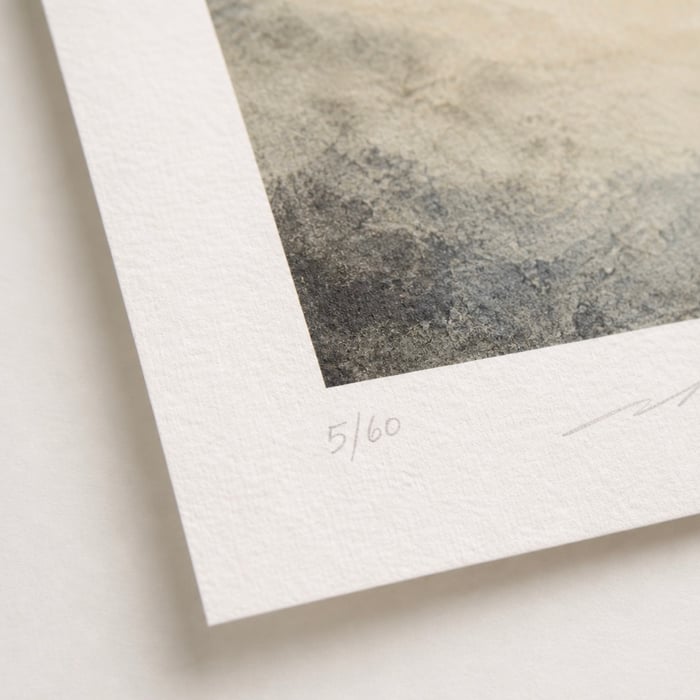



A pigment print is a type of print that uses ink colored with pigment particles. Pigment ink is commonly used in inkjet printing because it is more durable and resistant to fading compared to dye-based ink, which is more vibrant but less stable over time.
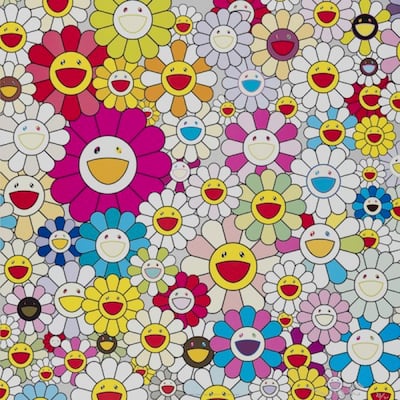
Superflat is an art movement founded by Takashi Murakami, heavily influenced by anime and manga. The term Superflat refers to the flattened forms found in Japanese animation, graphic art, fine arts, and pop culture, as well as the perceived superficiality of Japanese culture. Murakami's movement, which he self-proclaimed, is considered postmodern and critiques both the depth and shallowness of contemporary Japanese society. Superflat has been highly influential in bridging the gap between high art and popular culture.

Entropy, in a broader sense, refers to the inevitable deterioration or decline of a society or system. In art, the concept was popularized by artist Robert Smithson in the 1960s. He used the term to critique what he saw as the static and overly simplified nature of contemporary minimalist art. Smithson's work often explored the idea of entropy as a force of chaos and decay, contrasting with the perceived order and purity of minimalist works.
Can't find your Answer?
Thank you! Your question has been sent — we'll get back to you shortly.
