
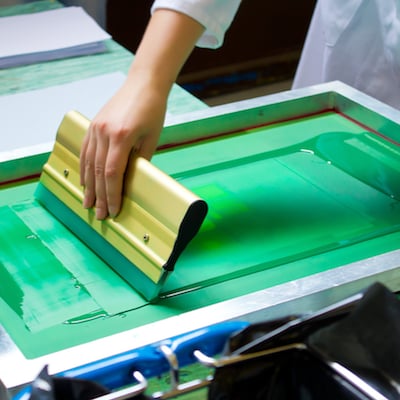
What is a screen-print?
- Show All
- Established
- Discoveries
- Show All
Artworks Related to Screen-print

Banksy
Western Super Mare, 2003
Limited Edition Print
Screen-print
GBP 15,000 - 2,000

Banksy
Napalm, 2004
Limited Edition Print
Screen-print
GBP 32,000 - 38,000

Andy Warhol
Campbell's Soup Can: Cream of Mushroom, 1968
Limited Edition Print
Screen-print
GBP 75,000 - 97,500
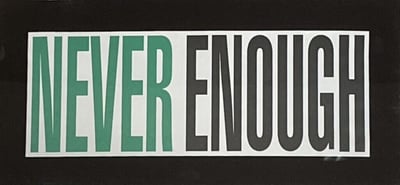
Barbara Kruger
Swimming Pool, 2019
Limited Edition Print
Screen-print
GBP 2,250 - 2,900

Banksy
Donuts - Strawberry, 2009
Limited Edition Print
Screen-print
Inquire For Price
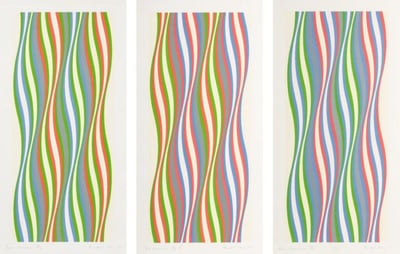
Bridget Riley
Green Dominance, Blue Dominance, Red Dominance (set of 3), 1077
Limited Edition Print
Screen-print
Inquire For Price
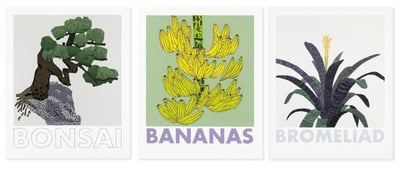
Jonas Wood
Bonsai, Banana and Bromelaid, 2020
Limited Edition Print
Screen-print
GBP 25,000 - 32,500

Peter Blake
Venice - Exhibition poster, 2009
Limited Edition Print
Screen-print
GBP 1,300
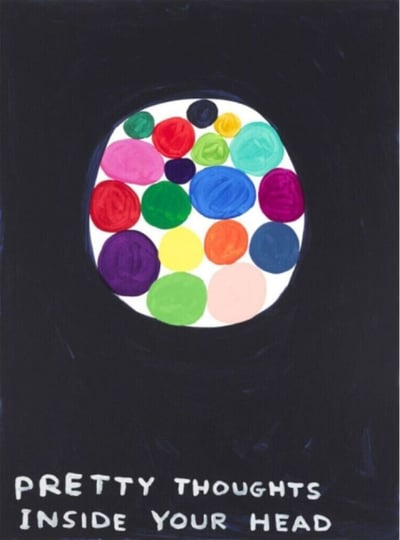
David Shrigley
Pretty Thoughts Inside Your Head, 2018
Limited Edition Print
Screen-print
Inquire For Price
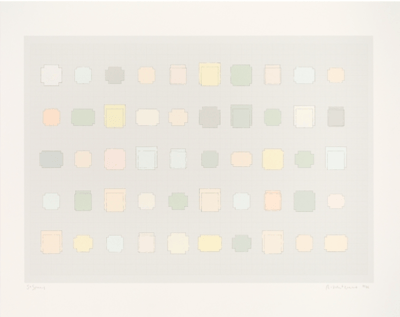
Rachel Whiteread
50 Spaces, 2021
Limited Edition Print
Screen-print
GBP 5,000 - 6,500
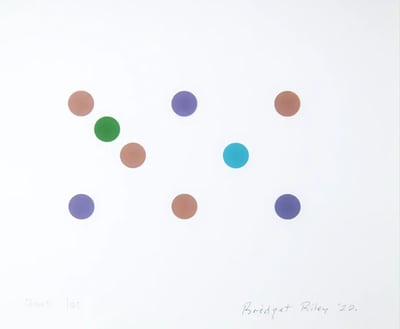
Bridget Riley
Cherub, 2020
Limited Edition Print
Screen-print
GBP 7,000 - 9,100

KAWS
Lost Time, Alone Again, Far Far Down, 2018
Limited Edition Print
Screen-print
GBP 40,000 - 50,000
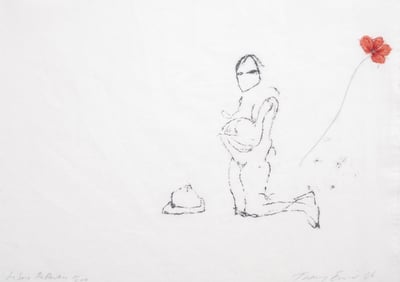
Tracey Emin
Insane Reflection, 2006
Limited Edition Print
Screen-print
GBP 2,950 - 3,800
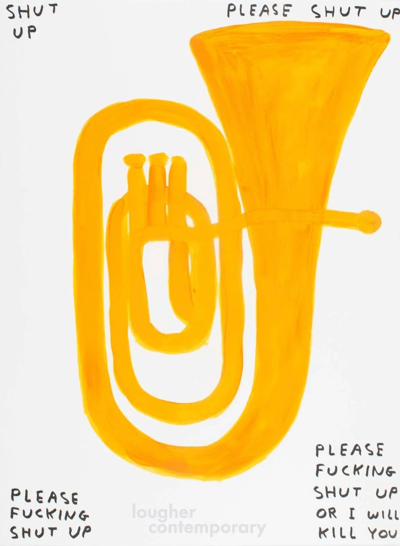
David Shrigley
Shut Up, 2018
Limited Edition Print
Screen-print
GBP 2,950 - 3,800
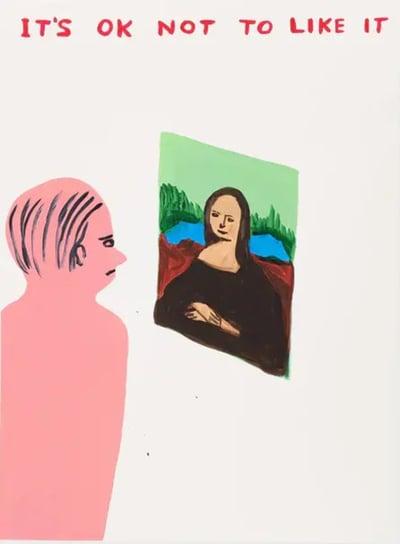
David Shrigley
It's Ok Not To Like It, 2022
Limited Edition Print
Screen-print
GBP 2,750 - 3,500
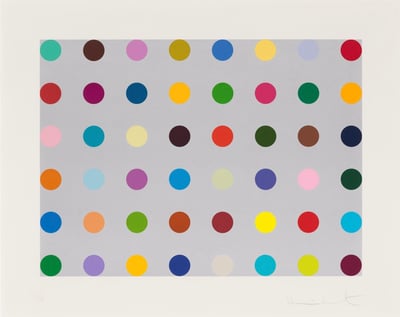
Damien Hirst
Histidyl, 2008
Limited Edition Print
Screen-print
GBP 14,000 - 18,000
Related Articles


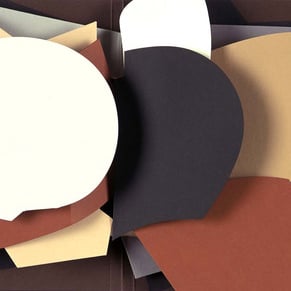
New Generation Sculpture was a movement started in the 1960s by a group of British artists. They experimented with unconventional forms, materials, and colors, creating sculptures that did not rely on traditional bases. Their work often featured plastic sheeting, fiberglass, and other industrial materials, which were fastened together and brightly painted.

Carborundum is the trademark name for silicon carbide crystals, an abrasive material commonly used in sandpaper, cutting tools, and grinding wheels. Originally, artists used carborundum for grinding lithography stones. In collagraph printmaking, it is applied to plates to create texture and tone gradients, adding depth and contrast to the prints.

Neo-Dada is a minor visual and audio art movement with intents similar to those of Dada artwork. While it revives some of Dada's objectives, Neo-Dada emphasizes the importance of the produced artwork rather than the concept behind it. The movement is considered the foundation of Pop Art, Nouveau Réalisme, and Fluxus. Neo-Dada is known for its use of absurdist contrasts, popular imagery, and modern materials, blending high and low culture in a way that challenges traditional artistic conventions.
Can't find your Answer?
Thank you! Your question has been sent — we'll get back to you shortly.
