
What is abstract expressionism?
- Show All
- Established
- Discoveries
- Show All
Artworks Related to Abstract expressionism

Frank Stella
Moultonville, 1974
Limited Edition Print
Mixed Media
USD 7,625

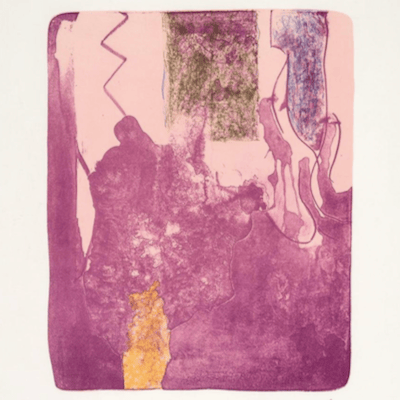
Robert Rauschenberg
Pre-Morocco, 1983
Limited Edition Print
Lithograph
USD 2,750
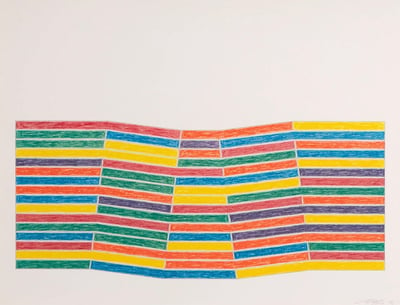
Frank Stella
Furg, 1975
Limited Edition Print
Mixed Media
Currently Not Available

Frank Stella
Noguchi's Okinawa Woodpecker, 1977
Limited Edition Print
Mixed Media
Inquire For Price
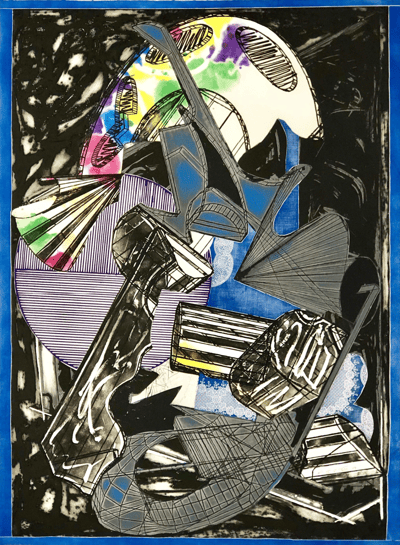
Frank Stella
Giuf à e la berretta rossa, 1989
Limited Edition Print
Mixed Media
USD 28,750

Frank Stella
Pergusa Three Double, 1984
Limited Edition Print
Mixed Media
USD 50,000 - 60,000
Frank Stella
Private Listing
Drawing / Watercolor
Frank Stella
Private Listing
Drawing / Watercolor
Frank Stella
Private Listing
Sculpture / Object

Frank Stella
Polar Co-ordinates VIII, from Polar Co-ordinates for Ronnie Peterson, 1980
Limited Edition Print
Mixed Media
Currently Not Available

Jasper Johns
Souvenir I, 1972
Limited Edition Print
Lithograph
Inquire For Price
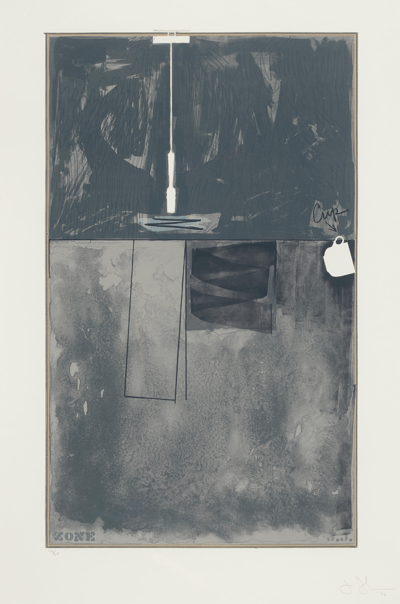
Jasper Johns
Zone, 1972
Limited Edition Print
Lithograph
Inquire For Price

Donald Sultan
Mimosa, Oct. 2, 2006, 2006
Limited Edition Print
Mixed Media
USD 7,950
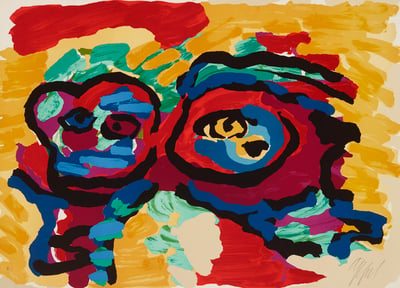
Karel Appel
Two Figures, c. 1980
Limited Edition Print
Lithograph
USD 1,000
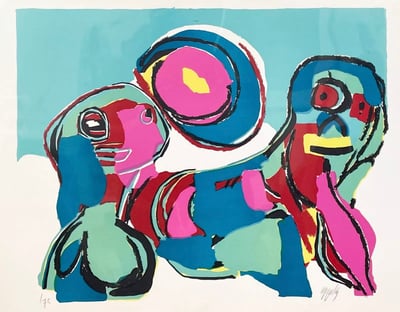
Karel Appel
Composition , 1969
Limited Edition Print
Lithograph
USD 950

Donald Sultan
Wall Flower IX, 2008
Limited Edition Print
Screen-print
Inquire For Price
Related Articles

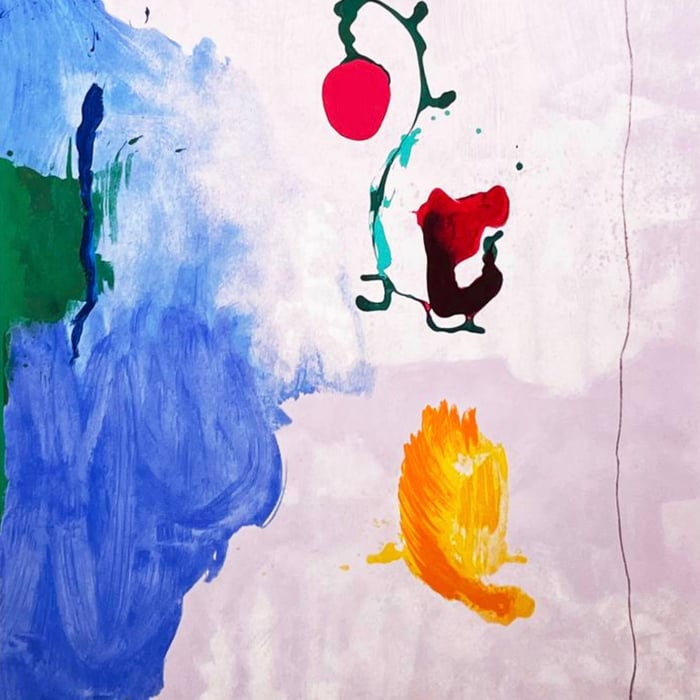
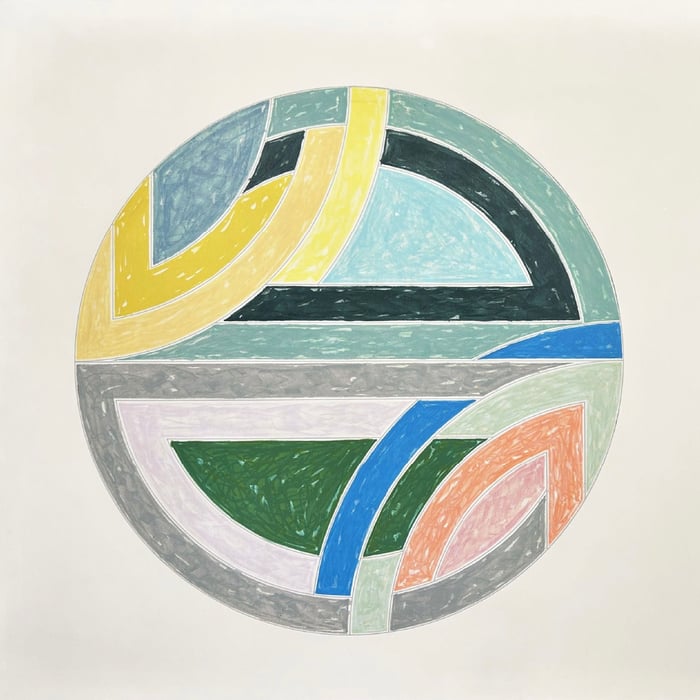

A maquette is a small-scale model of a sculpture that serves as a preliminary version of the final piece. It allows the artist to experiment with ideas and make adjustments without the expense and effort of creating a full-sized sculpture.

Bricolage is the creation or construction of a piece of art using materials that are readily available to the artist. The term is French and roughly translates to do-it-yourself. This approach became popular when materials were scarce, encouraging artists to improvise and repurpose everyday objects. Bricolage emphasizes creativity and resourcefulness, often resulting in artworks that reflect the unique character of the materials used.

Meaning School of Things, Mono-ha originated in Tokyo in the mid-1960s. Instead of creating traditional artwork, the artists of Mono-ha used different materials and their natural properties to express dismay at the industrialization taking place in Japan at the time. The movement gained international attention and is now a widely respected form of art, known for its emphasis on the relationship between materials and their environment.
Can't find your Answer?
Thank you! Your question has been sent — we'll get back to you shortly.
