
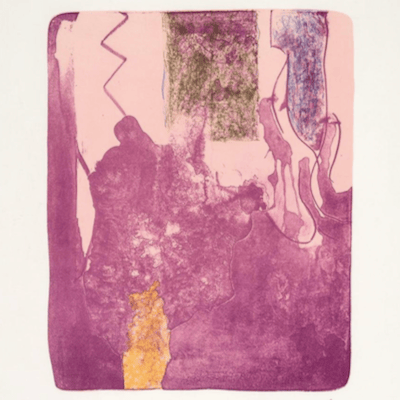
What is abstract expressionism?
- Show All
- Established
- Discoveries
- Show All
Artworks Related to Abstract expressionism
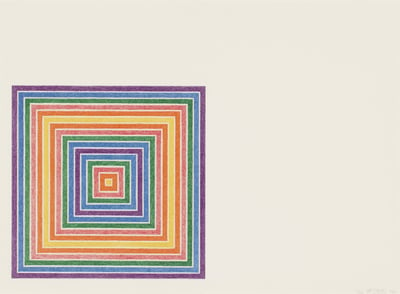
Frank Stella
Honduras Lottery Co., 1972
Limited Edition Print
Lithograph
Currently Not Available

Jasper Johns
Sun on Six, 2000
Limited Edition Print
Linocut
Inquire For Price

Jasper Johns
Hinged Canvas, 1971
Limited Edition Print
Lithograph
USD 5,000

Jasper Johns
Untitled (from The Geldzahler Portfolio), 1998
Limited Edition Print
Etching
USD 6,300

Jasper Johns
Valentine, 2010
Limited Edition Print
Etching and Aquatint
Currently Not Available

Frank Stella
Inaccessible Island Rail, 1977
Limited Edition Print
Mixed Media
USD 17,750

Frank Stella
Shards I, 1982
Limited Edition Print
Mixed Media
Inquire For Price

Frank Stella
Shards Variant Ia, 1982
Limited Edition Print
Mixed Media
Currently Not Available

Jordi Alcaraz
Sense títol I, 2024
Limited Edition Print
Mixed Media
Currently Not Available

Richard Diebenkorn
Seated Woman in Arm Chair, 1965
Limited Edition Print
Lithograph
Currently Not Available

Frank Stella
York Factory II, 1974
Limited Edition Print
Screen-print
Currently Not Available
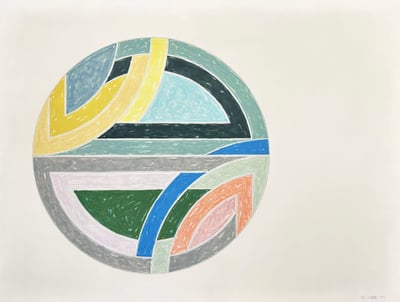
Frank Stella
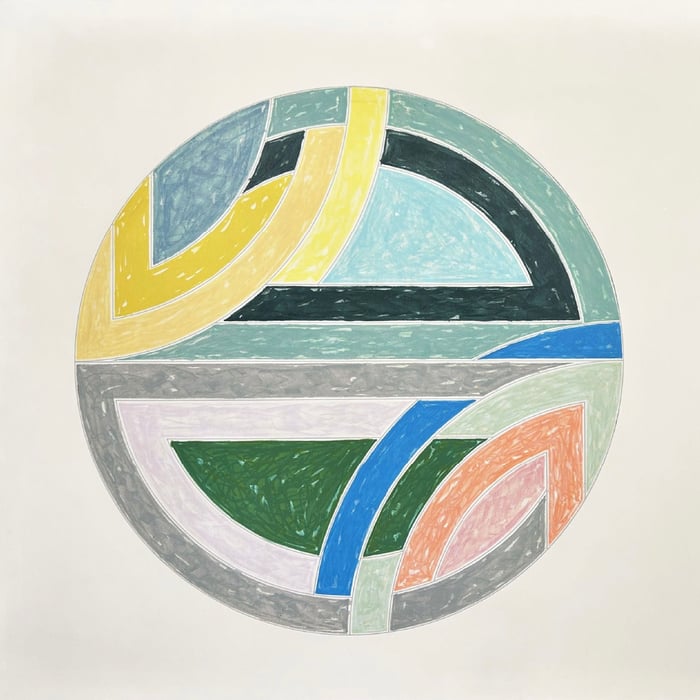
Sinjerli Variation IIa, 1977
Limited Edition Print
Mixed Media
USD 18,500

Frank Stella
Eskimo Curlew, 1977
Limited Edition Print
Mixed Media
USD 12,500
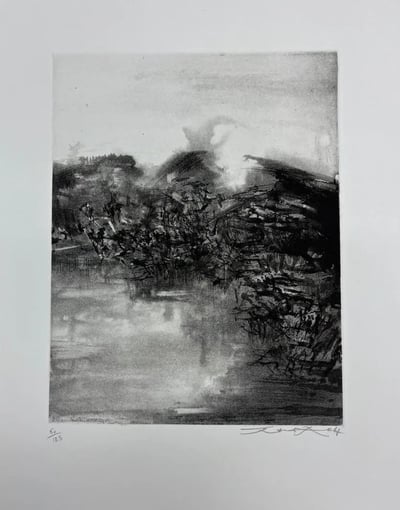
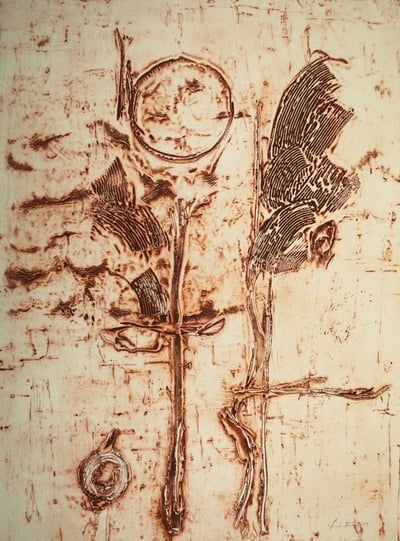
Zao Wou-Ki
Composition, 1967
Limited Edition Print
Etching
EUR 3,750
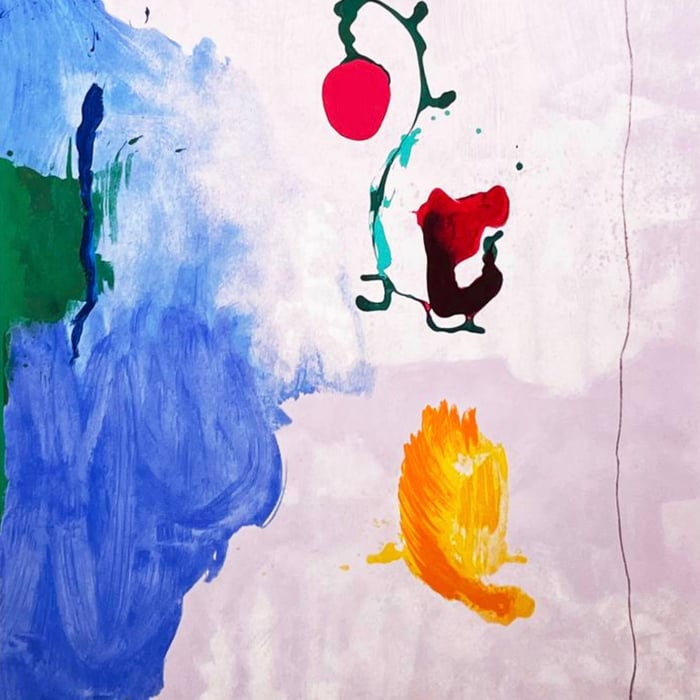
Helen Frankenthaler
Parets, 1987
Limited Edition Print
Etching
EUR 11,900
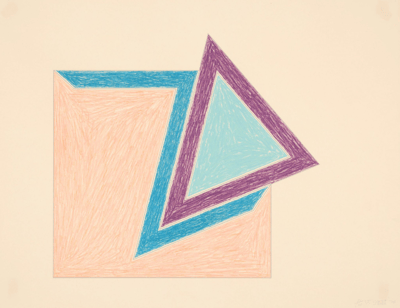
Frank Stella
Moultonboro, 1974
Limited Edition Print
Lithograph
USD 9,400
Related Articles


Patina is the distinctive greenish surface that bronze develops over time due to exposure to air and humidity. Artists can also apply chemicals to bronze to artificially create patina. Alternatively, bronze can be polished to reveal its natural rich gold color. Patina is not exclusive to bronze; it can also occur on other metals like copper and even on wood and stone, enhancing the material's character over time.

Engraving is a printmaking technique where a metal plate or surface is directly cut using a sharp engraving tool called a burin. The tool creates deep lines or grooves, which are then filled with ink. The plate is pressed onto paper with heavy pressure, transferring the inked image. This process results in a clear and precise print.

Known as Neo-Geo for short, this movement uses geometric objects and shapes to create abstract artwork as a metaphor for society. Inspired by various 20th-century art styles, including minimalism and pop art, Neo-Geo emerged in the 1980s as a response to the industrialization and commercialization of the modern world. The movement reflects on the impact of mass production, consumerism, and technology, often critiquing the superficiality of contemporary culture through its abstract, geometric compositions.
Can't find your Answer?
Thank you! Your question has been sent — we'll get back to you shortly.
