
What is abstract expressionism?
- Show All
- Established
- Discoveries
- Show All
Artworks Related to Abstract expressionism

Helen Frankenthaler
Pompeii Forte, 1976-82
Limited Edition Print
Etching and Aquatint
Currently Not Available

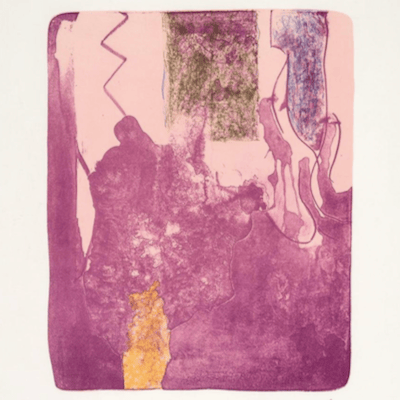
Helen Frankenthaler
Venice II, 1969-1972
Limited Edition Print
Lithograph
Currently Not Available

Robert Rauschenberg
People Have Enough Trouble Without Being Intimidated by an Artichoke, 1979
Limited Edition Print
Collage
Inquire For Price

Miquel Barceló
Lanzarote 45, 2002
Limited Edition Print
Etching and Aquatint
EUR 5,700
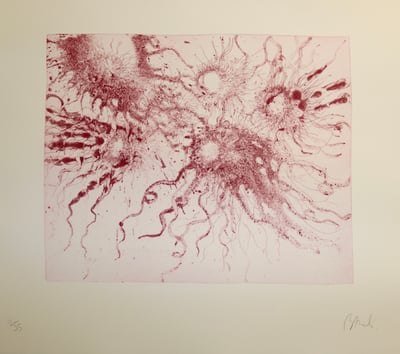
Miquel Barceló
Lanzarote 20, 2000
Limited Edition Print
Etching and Aquatint
EUR 4,500
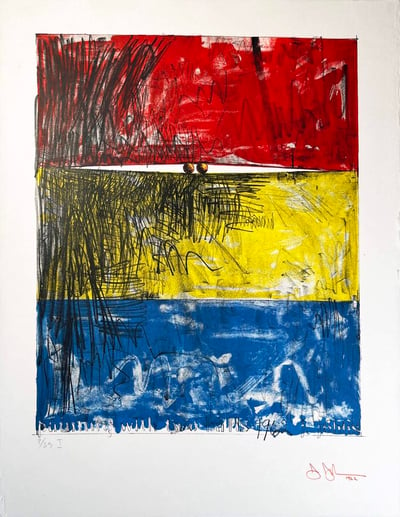
Jasper Johns
Painting with Two Balls I, 1962
Limited Edition Print
Lithograph
USD 31,500

Roberto Matta
Untitled XXI (from Come Detta Dentro Vo Significando), 1962
Limited Edition Print
Lithograph
Inquire For Price
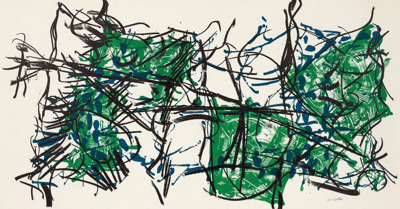
Jean-Paul Riopelle
Album #7 Cat. No. 221, 1967
Limited Edition Print
Lithograph
USD 4,125
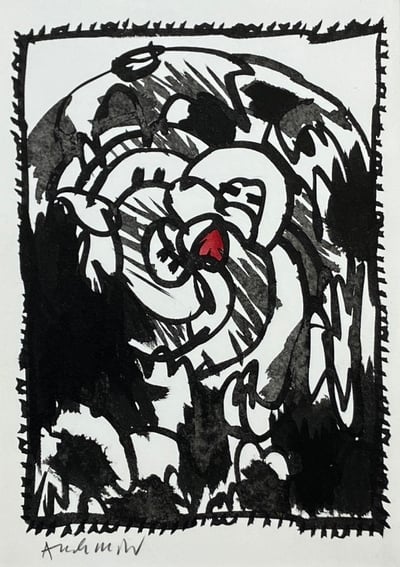
Jean-Paul Riopelle
Album #10 Cat No. 222, 1967
Limited Edition Print
Lithograph
USD 4,125
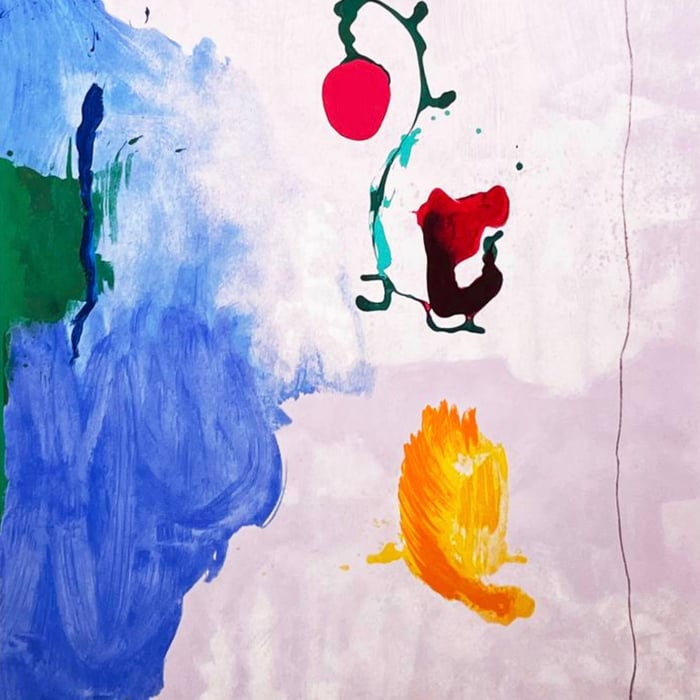
Pierre Alechinsky
Tête Bêche, 1987
Drawing / Watercolor
Ink
EUR 7,200

Donald Sultan
Black Lantern Flowers, 2016
Sculpture / Object
Metal
USD 24,000
Robert Rauschenberg
Private Listing
Drawing / Watercolor
Sam Francis
Private Listing
Drawing / Watercolor

Helen Frankenthaler
Orange Hoop, 1965
Limited Edition Print
Lithograph
Currently Not Available

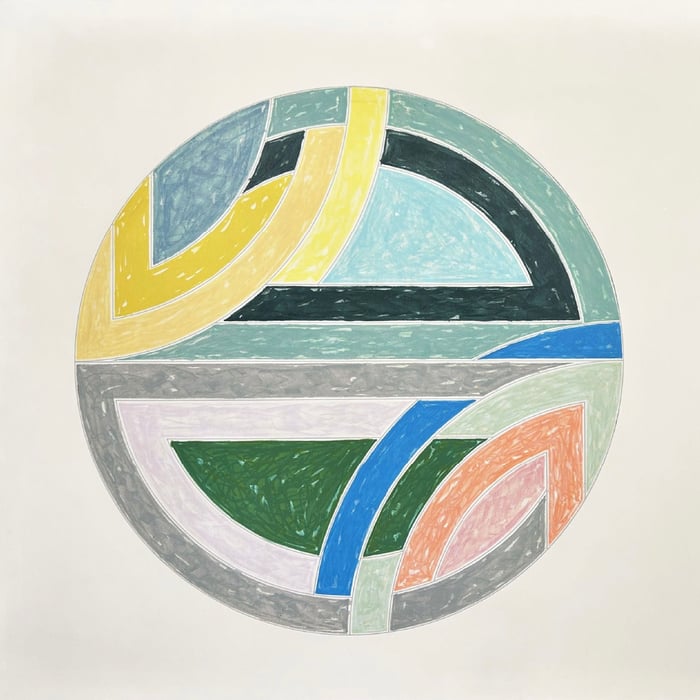
Frank Stella
Gran Cairo (from multicolored squares), 1970
Limited Edition Print
Lithograph
Currently Not Available

Donald Sultan
Wallflowers (black on grey), 2018
Limited Edition Print
Screen-print
USD 9,000 - 12,000
Related Articles

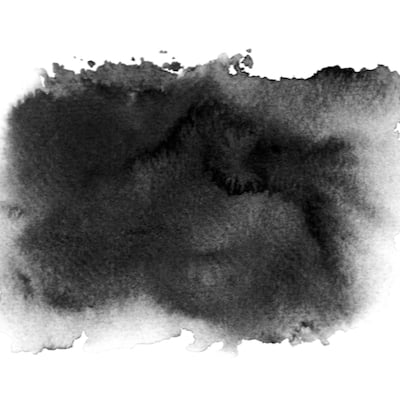
Ink is a colored liquid or paste used for writing, drawing, painting, and printing. The term also refers to the process of applying ink to mark, cover, stain, draw, or trace over pencil lines. Ink can be applied using various tools, such as pens, brushes, and quills.
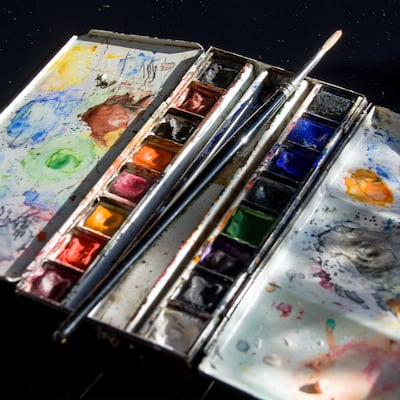
Watercolor refers to both the medium and the resulting artwork created using pigments suspended in a water-soluble vehicle. Watercolors are known for their luminous, transparent appearance because the pigments are applied in pure form with minimal fillers. By adding Chinese white, the watercolor can become opaque, resembling gouache.

Interactive art is a form of art where the spectator is actively involved by the artist to achieve the artwork's purpose. This involvement can include allowing the visitor to walk around, in, or on the art installation, or even becoming a part of the artwork itself. Works in this category often feature computers, sensors, and interfaces that respond to various inputs such as meteorological changes, heat, motion, or other types of data programmed by the artist.
Can't find your Answer?
Thank you! Your question has been sent — we'll get back to you shortly.
