
What is Environmental Art?
- Show All
- Established
- Discoveries
- Show All
Artworks Related to Environmental art

Javacheff Christo
Wrapped building, project for 1 Times Square, New York, 1985
Limited Edition Print
Mixed Media
Currently Not Available

El Anatsui
Black & Silver, 2018
Limited Edition Print
Pigment print
USD 18,000
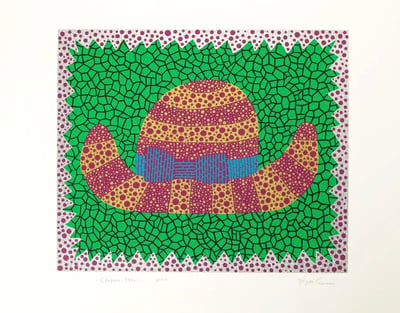
Yayoi Kusama
Chapeau (II), 2000
Limited Edition Print
Screen-print
GBP 28,000 - 40,000

Olafur Eliasson
Studioblick, 2013
Sculpture / Object
Mixed Media
Currently Not Available

Ansel Adams
Fresh Snow, 1974
Photography
Gelatin Silver Print
Currently Not Available

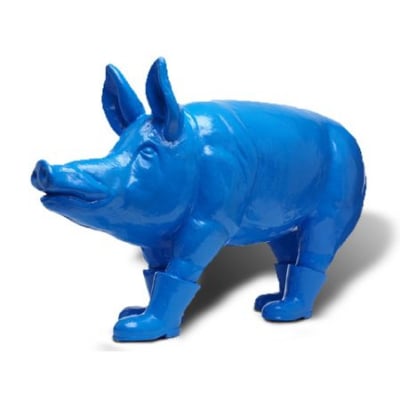
William Sweetlove
Cloned Schnauzer with water bottle, 2019
Sculpture / Object
Plastic
EUR 600

Javacheff Christo
The Umbrellas (Project for Japan and Western USA), 1987
Limited Edition Print
Offset Print
USD 1,350

William Sweetlove
Cloned black elephant with watercans, 2010-11
Sculpture / Object
Mixed Media
Currently Not Available
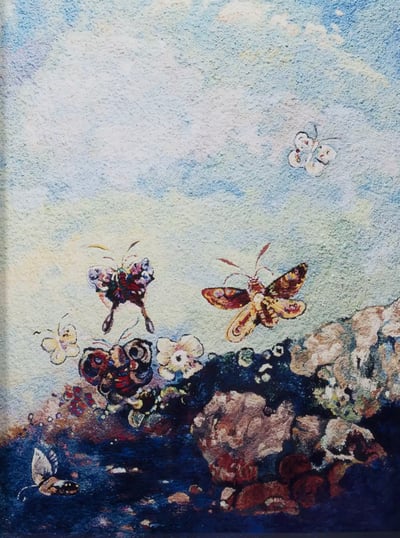
Vik Muniz
Butterflies, after Odilon Redon , 2006
Limited Edition Print
Mixed Media
USD 40,000 - 50,000

Antony Gormley
Free, 2019
Limited Edition Print
Lithograph
Currently Not Available

Javacheff Christo
Reichstag Mappe II, Südfassade, 1995
Photography
Photograph
EUR 4,800
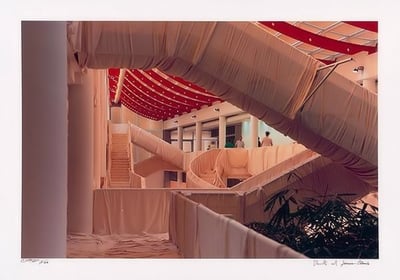
Javacheff Christo
Museum Würth Wrapped Stairs, 1995
Limited Edition Print
Photograph
EUR 6,900

Javacheff Christo
Museum Würth Wrapped Chairs, 1995
Limited Edition Print
Photograph
EUR 6,900
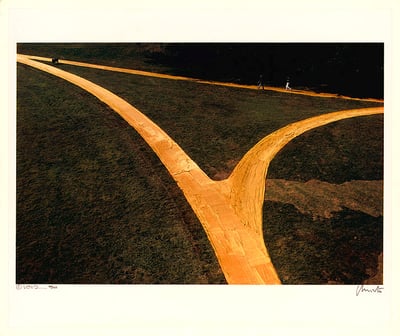
Javacheff Christo
Wrapped Walk Ways, 1978
Limited Edition Print
Photograph
EUR 5,900
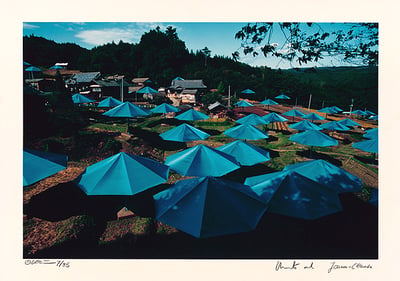
Javacheff Christo
Umbrellas Jinba Blue
Limited Edition Print
Photograph
EUR 6,900

Javacheff Christo
The Gates Rondell, 2005
Photography
Photograph
EUR 19,000
Related Articles
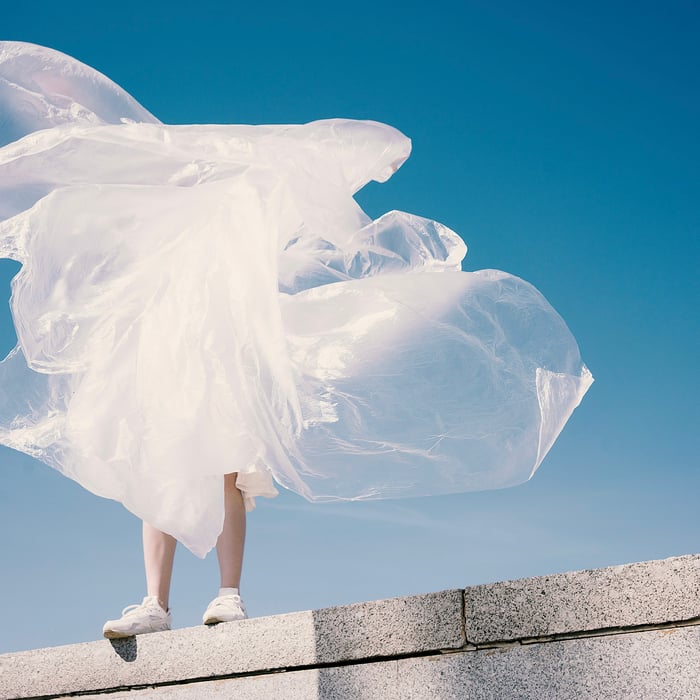


Cubism is an art movement that aimed to depict multiple perspectives of objects or figures within a single picture. Artists Georges Braque and Pablo Picasso pioneered this style around 1907. The name Cubism emerged from their use of geometric shapes and outlines that often resembled cubes, breaking objects down into abstracted forms.
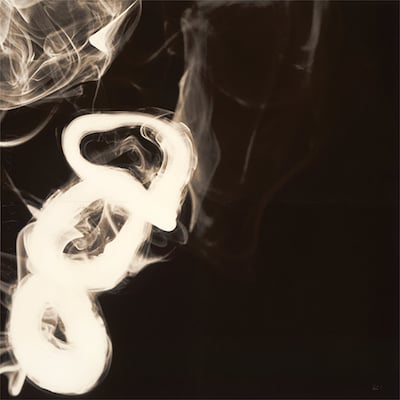
An archival print refers to a fine art reproduction of museum quality, created using the highest quality materials and methods. These prints are produced on the finest papers and with inks specifically designed to resist color fading over time. Drawings and paintings are reproduced using a fine art printer with exceptionally high resolution, ensuring longevity and preservation of the artwork.

Graffiti art refers to drawings and writings that are painted, scratched, or scribbled on walls or other surfaces, typically in public spaces. This art form ranges from small tags to elaborate wall paintings. Graffiti has been in existence since ancient times, with examples dating back to the Roman Empire, Ancient Greece, and Ancient Egypt.
Can't find your Answer?
Thank you! Your question has been sent — we'll get back to you shortly.
