

What is figurative art?
- Show All
- Established
- Discoveries
- Show All
Artworks Related to Figurative art

Eva Claessens
Ce lieu invisible où l'on se rejoint, 2026
Sculpture / Object
Marble
Inquire For Price

Eva Claessens
L'instant où les contours s'effacent, 2026
Sculpture / Object
Marble
Inquire For Price
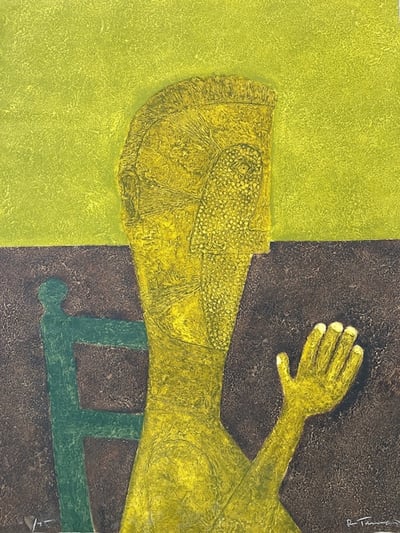
Rufino Tamayo
Personaje sentado, 1976
Limited Edition Print
Etching
EUR 4,375
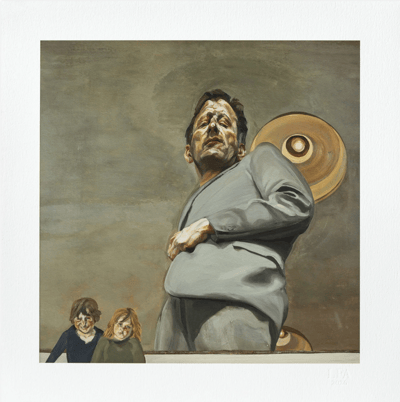
Lucian Freud
Reflection With Two Children (Self-portrait), 1965 – 2026
Limited Edition Print
Pigment print
GBP 4,200

Nicolas Party
Untitled, Red Portrait, 2017
Painting
Watercolor
GBP 50,000 - 60,000

Nicolas Party
Untitled (portrait), 2014
Painting
Watercolor
GBP 23,000 - 29,900
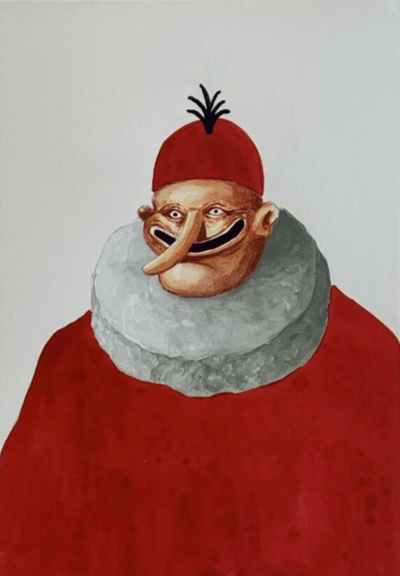
Nicolas Party
Untitled (face), 2015
Painting
Watercolor
GBP 35,000 - 45,500
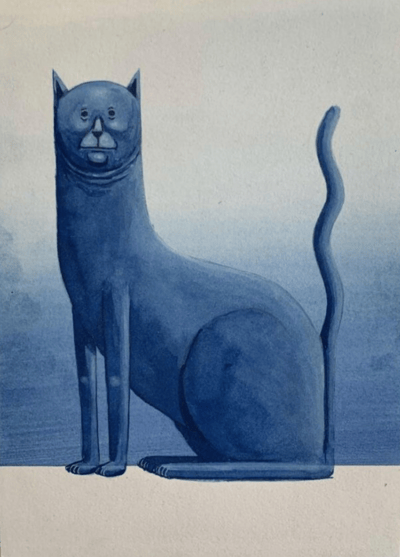
Nicolas Party
Untitled (cat), 2017
Painting
Watercolor
GBP 37,500 - 50,000
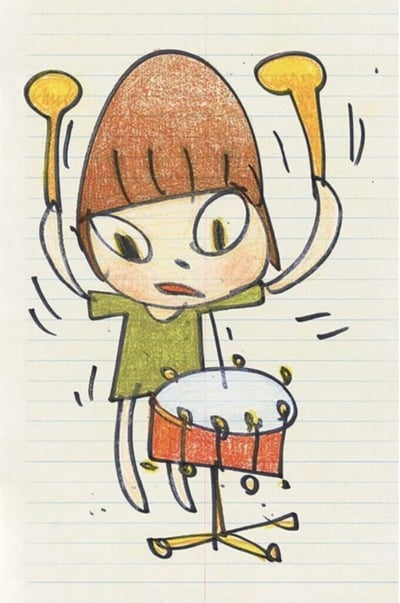
Yoshitomo Nara
Banging The Drum, 2020
Limited Edition Print
Offset Print
GBP 1,800
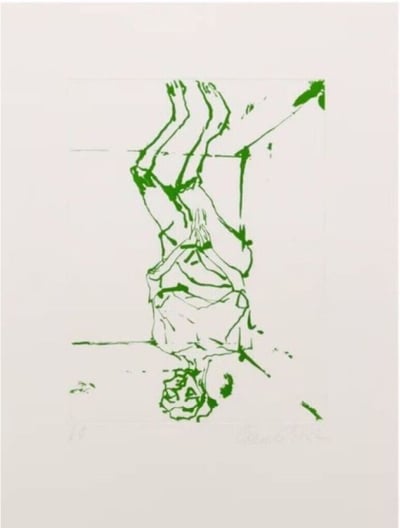
Georg Baselitz
Serpentine - green, 2022
Limited Edition Print
Etching and Aquatint
Inquire For Price

Lynn Chadwick
Maquette VII Walking Couple, 1976
Sculpture / Object
Bronze
Inquire For Price
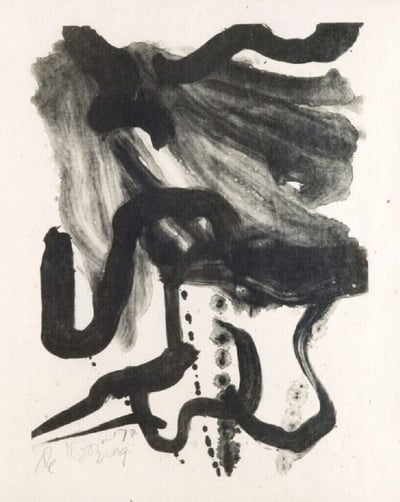
Willem de Kooning
Woman with long hair and corset, 1970
Limited Edition Print
Lithograph
Inquire For Price

Gunther Forg
Untitled, 1988
Drawing / Watercolor
Charcoal
Inquire For Price

Javier Calleja
Pop Top Planter and Flower Vase, 2021
Sculpture / Object
Ceramic
Inquire For Price
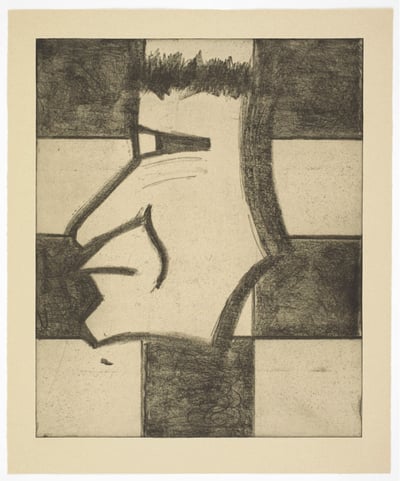
Joe Bradley
Untitled, 2018
Limited Edition Print
Etching
GBP 680
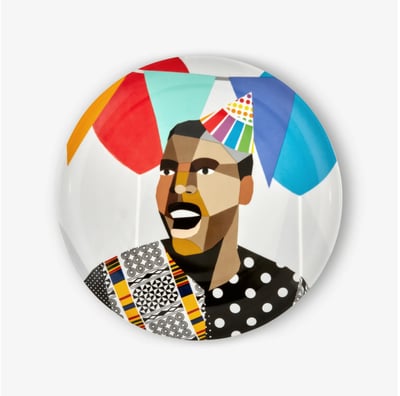
Derrick Adams
Untitled, 2023
Sculpture / Object
Plate
GBP 1,890
Related Articles


Futurism was an early 20th-century art movement that sought to capture the energy and dynamism of the modern world. The movement was launched by Italian poet Filippo Tommaso Marinetti, who published the Manifesto of Futurism on February 20, 1909. Futurism denounced the past and passionately embraced technology, industry, and the speed of modern life.

Assemblage is an artistic process involving the combination of three-dimensional objects to create a work of art. The term, which originates from the French word for assembly, often involves the use of found objects like leaves, stones, discarded items, or recycled materials. These objects are arranged creatively to form a unique and often thought-provoking artwork.

Neo-Dada is a minor visual and audio art movement with intents similar to those of Dada artwork. While it revives some of Dada's objectives, Neo-Dada emphasizes the importance of the produced artwork rather than the concept behind it. The movement is considered the foundation of Pop Art, Nouveau Réalisme, and Fluxus. Neo-Dada is known for its use of absurdist contrasts, popular imagery, and modern materials, blending high and low culture in a way that challenges traditional artistic conventions.
Can't find your Answer?
Thank you! Your question has been sent — we'll get back to you shortly.
