
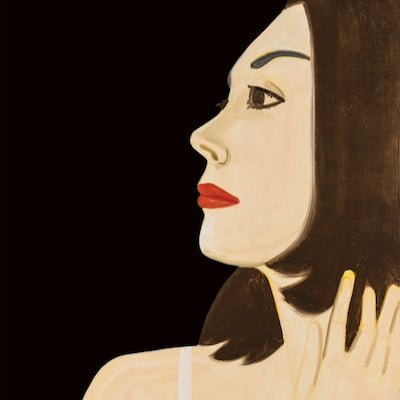
What is figurative art?
- Show All
- Established
- Discoveries
- Show All
Artworks Related to Figurative art
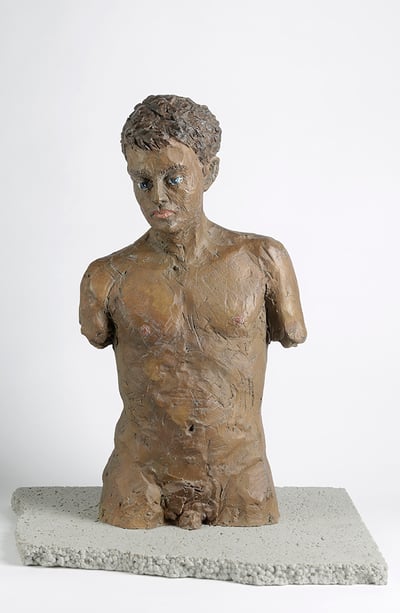
Stephan Balkenhol
Male torso, 2012
Sculpture / Object
Bronze
Currently Not Available
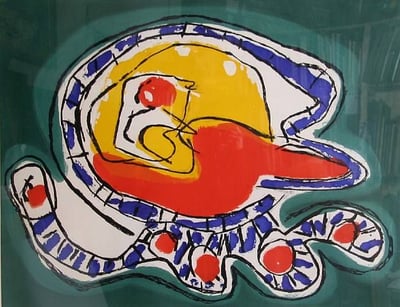
Karel Appel
Tete montagne I, 1976
Limited Edition Print
Aquatint
EUR 2,350
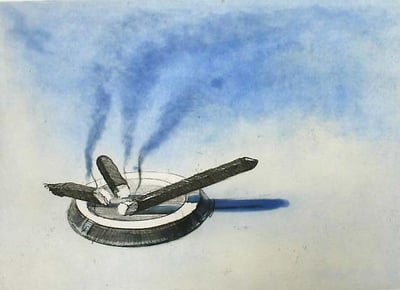
Thiebaud Wayne
Cigars, 1979
Limited Edition Print
Etching
Currently Not Available
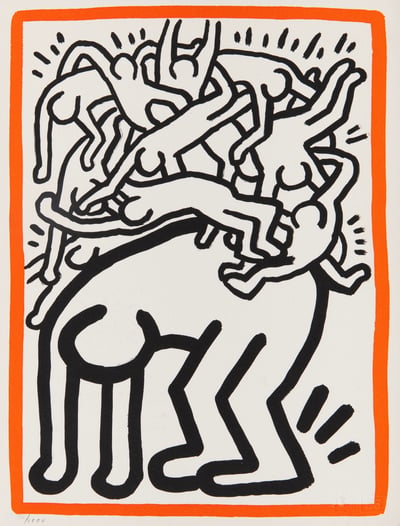
Keith Haring
Fight Aids Worldwide, 1990
Limited Edition Print
Lithograph
EUR 6,250
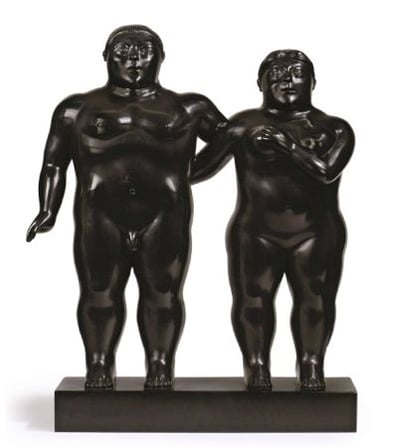
Fernando Botero
Man and Woman, .
Sculpture / Object
Bronze
Currently Not Available
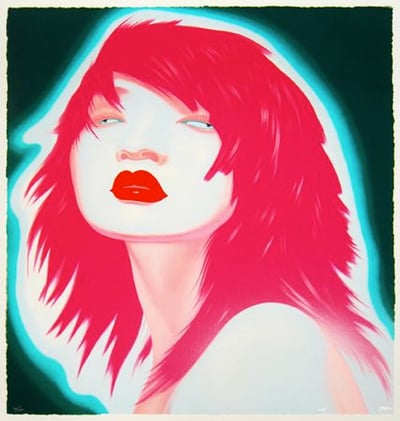
Feng Zhengjie
Chinese Portrait (c), 2008
Limited Edition Print
Screen-print
USD 950
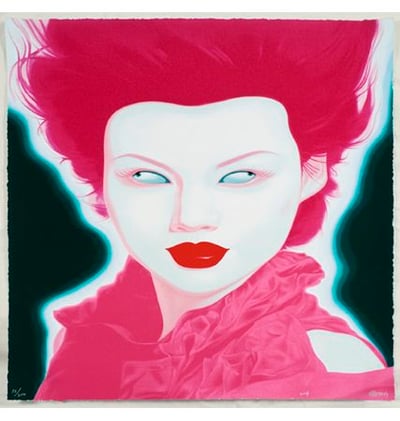
Feng Zhengjie
Chinese Portrait (b), 2008
Limited Edition Print
Screen-print
USD 950
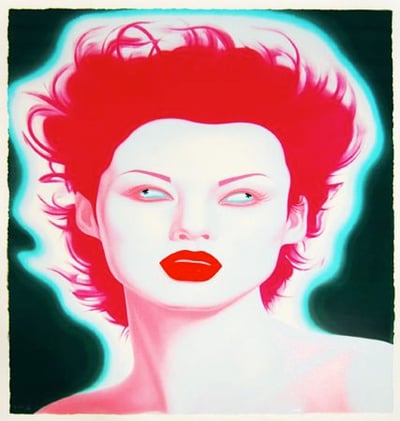
Feng Zhengjie
Chinese Portrait (a), 2008
Limited Edition Print
Screen-print
USD 950
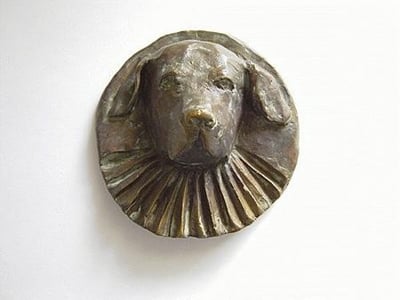
Paloma Varga-Weisz
Spike, 2007
Sculpture / Object
Bronze
Currently Not Available
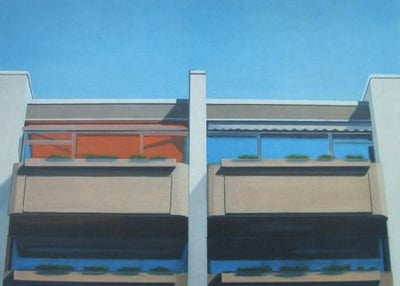
Eberhard Havekost
Vier Kabinen, 2000
Limited Edition Print
Lithograph
Currently Not Available
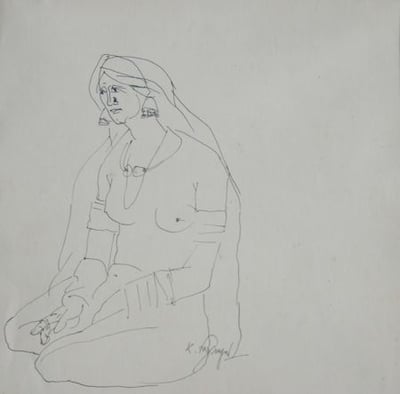
Laxma Goud
Untitled (lady), +- 1970
Drawing / Watercolor
Mixed Media
USD 2,500
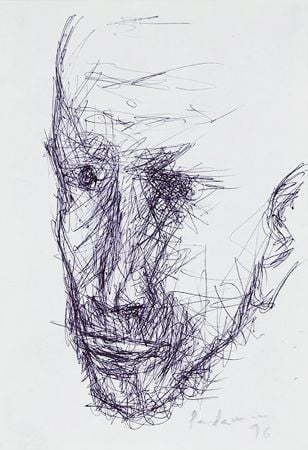
Akbar Padamsee
Portrait, 1996
Drawing / Watercolor
Mixed Media
Artwork On Hold
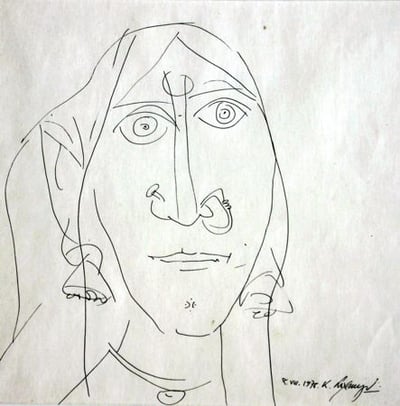
Laxma Goud
Lady, 1976
Drawing / Watercolor
East Indian ink
EUR 3,000
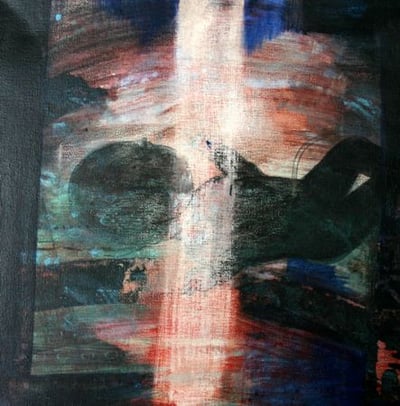
Chintan Upadhyay
Before she was discovered 3, 2007
Painting
Oil on canvas
USD 3,000
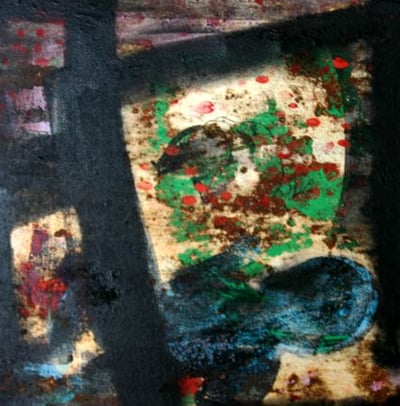
Chintan Upadhyay
Before she was discovered 2, 2007
Painting
Oil on canvas
USD 3,000
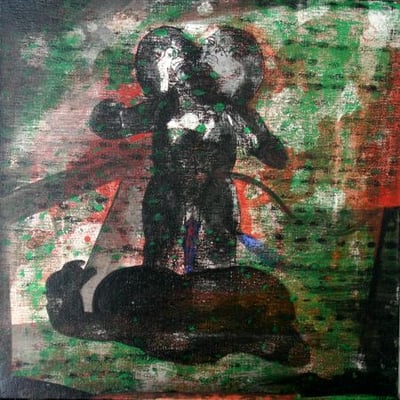
Chintan Upadhyay
Before she was discovered 1, 2007
Painting
Oil on canvas
USD 3,000
Related Articles


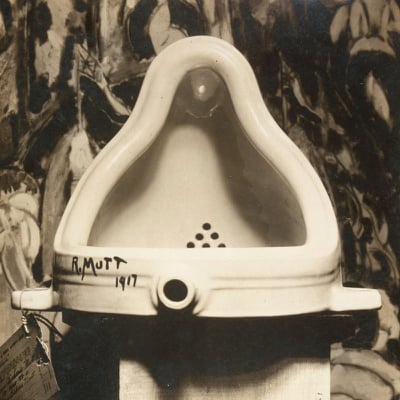
A found object is a term used to describe a man-made or natural object, or a fragment of one, that an artist discovers or purchases and keeps for inspiration or as a work of art. The artist may also modify the object or incorporate it into a collage or assemblage, transforming it into a new piece of art.

Silkscreen is a printmaking method that uses a screen made of silk or other mesh fabric. The screen is treated with a substance that blocks ink in certain areas, allowing ink to pass through only in the desired sections. Each color in the print requires a separate screen.

Nouveau Réalisme is an artistic movement founded in 1960 by art critic Pierre Restany and painter Yves Klein during a collective exhibition at a gallery in Milan. Restany wrote the original manifesto in April 1960, proclaiming the movement. In October of that year, nine artists, including Martial Raysse, Yves Klein, Daniel Spoerri, Jean Tinguely, Arman, Pierre Restany, and three Ultra-Lettrists—Jacques de la Villeglé, François Dufrêne, and Raymond Hains—signed the declaration. In 1961, the movement expanded to include Mimmo Rotella, Niki de Saint Phalle, Gérard Deschamps, and César. The movement emphasized a return to reality in art, often incorporating everyday objects and exploring the boundaries between art and life.
Can't find your Answer?
Thank you! Your question has been sent — we'll get back to you shortly.
