
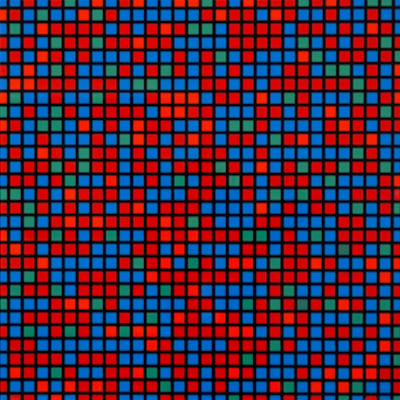
What is geometric abstract art?
- Show All
- Established
- Discoveries
- Show All
Artworks Related to Geometric Abstract art

Sonia Delaunay
Jazz, c. 1994
Limited Edition Print
Lithograph
USD 850
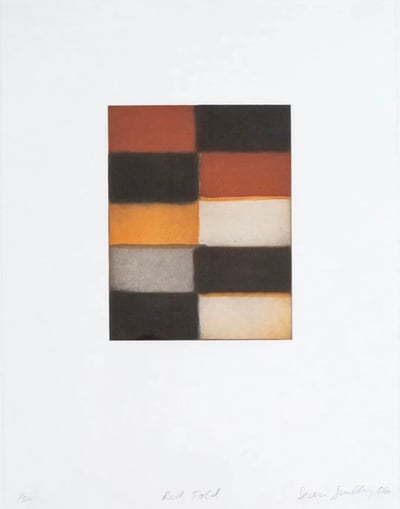
Sean Scully
Red Fold, 2006
Limited Edition Print
Aquatint
USD 6,000
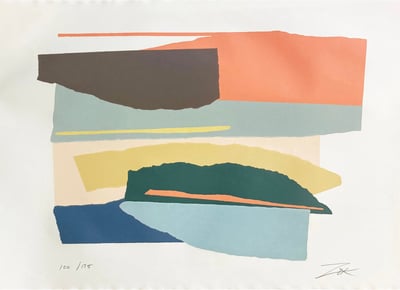
Larry Zox
Untitled 1 from Niagara Series, 1980
Limited Edition Print
Mixed Media
USD 850
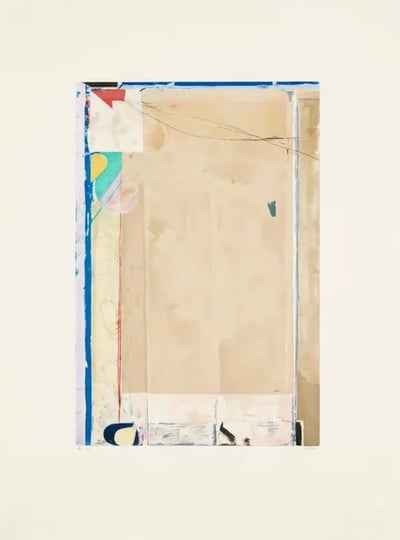
Richard Diebenkorn
Touched Red, 1991
Limited Edition Print
Mixed Media
Inquire For Price
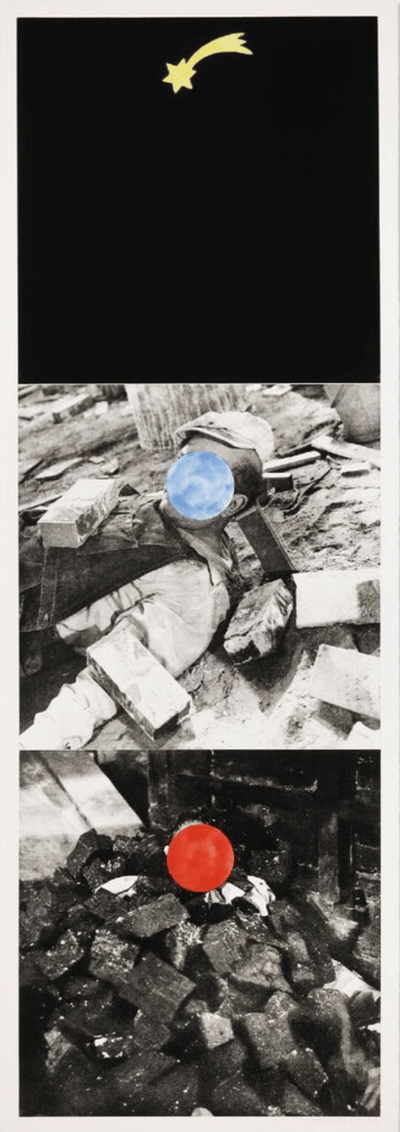
John Baldessari
Falling Star, 1989-90
Limited Edition Print
Mixed Media
Inquire For Price
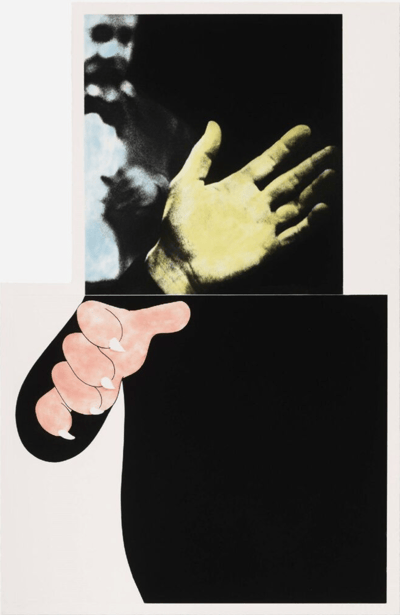
John Baldessari
Two Hands (With Distant Figure), 1989-1990
Limited Edition Print
Mixed Media
USD 5,500
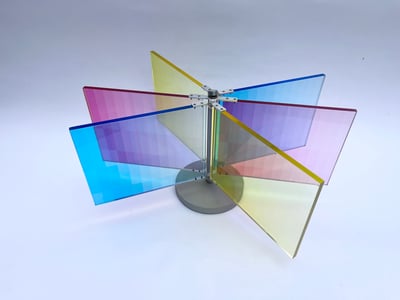
Felipe Pantone
Subtractive Variability Orbital, 2023
Sculpture / Object
Mixed Media
EUR 4,500 - 7,000

Piero Dorazio
Felt Collage, 1974
Limited Edition Print
Collage
EUR 6,875
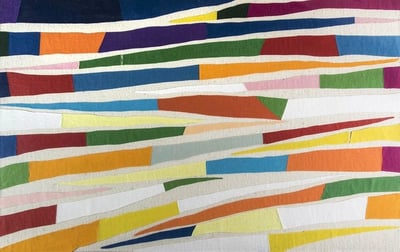
Piero Dorazio
Untitled (Collage), 1974
Limited Edition Print
Collage
EUR 6,875

Rafael Jesus Soto
Espiral Doble, 1979
Sculpture / Object
Mixed Media
USD 8,950

Rafael Jesus Soto
Escritura, 1979
Sculpture / Object
Mixed Media
USD 8,950
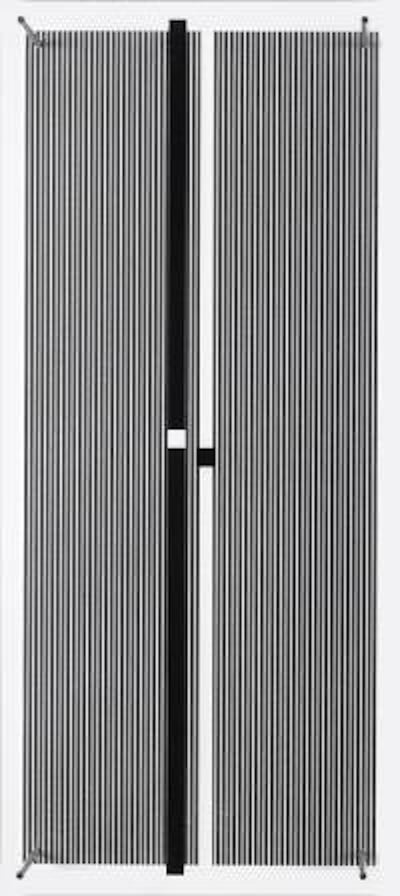
Rafael Jesus Soto
Permutacion, 1979
Sculpture / Object
Mixed Media
USD 8,950

Rafael Jesus Soto
La Escalera Azul , 1979
Sculpture / Object
Mixed Media
USD 8,950

Rafael Jesus Soto
Sotomagie II, 1967
Sculpture / Object
Mixed Media
USD 8,950

Carlos Cruz-Diez
ORANGE, VERTE y BLEU, 1977
Limited Edition Print
Screen-print
USD 17,250

Geneviève Claisse
Lignes, 2000
Painting
Acrylic on canvas
EUR 3,500
Related Articles
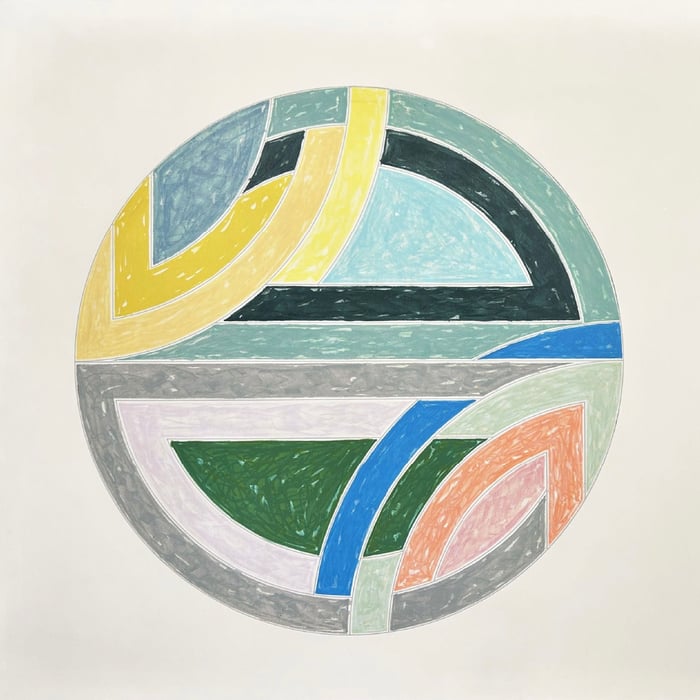



Orphism is an abstract style of painting influenced by Cubism, developed by Sonia and Robert Delaunay. The term was coined around 1912 by French poet Guillaume Apollinaire to differentiate the Delaunays' work from Cubism, emphasizing their focus on vibrant color and light. The name Orphism is inspired by the Greek musician Orpheus, symbolizing the movement's lyrical and harmonious qualities.

A replica is a copy of an artwork that is so precisely made that it is nearly indistinguishable from the original. Artists may create replicas of their own work, or replicas can be produced for educational purposes, preservation, or display when the original cannot be shown. While replicas aim to closely mimic the original, they are usually identified as reproductions rather than original works.

A print is an image or text reproduced using a template or master form. Prints are typically created by transferring ink from a prepared matrix to another material, often paper. Common matrices include copper or zinc plates for etching and engraving, aluminum or stone for lithography, wood blocks for woodcuts, and linoleum for linocuts. The term print can also refer to a single impression made from the matrix.
Can't find your Answer?
Thank you! Your question has been sent — we'll get back to you shortly.
