
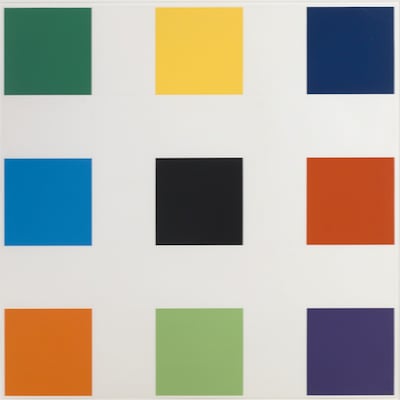
What is Hard Edge Art?
- Show All
- Established
- Discoveries
- Show All
Artworks Related to Hard Edge art
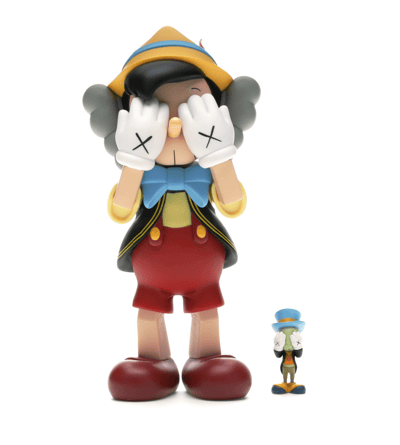
KAWS
Pinocchio & Jiminy Cricket, 2010
Sculpture / Object
Mixed Media
GBP 10,000 - 14,000
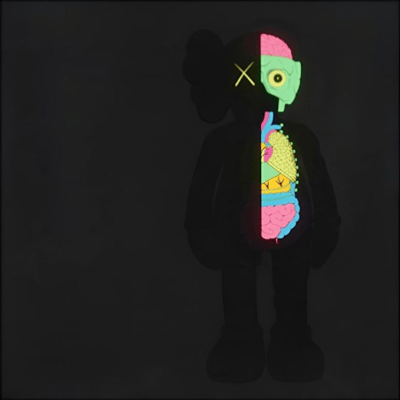
KAWS
Dissected Companion (Black), 2006
Limited Edition Print
Mixed Media
GBP 15,000 - 18,000

Invader
Rubik Camouflage NVDR1-2, 2022
Limited Edition Print
Giclée printing
GBP 5,000 - 7,000
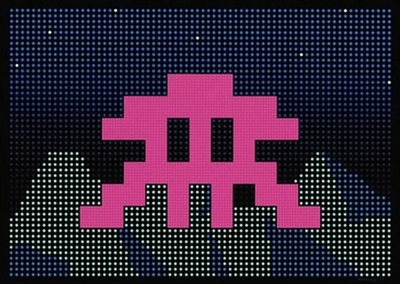
Invader
LED, 2017
Limited Edition Print
Screen-print
Inquire For Price
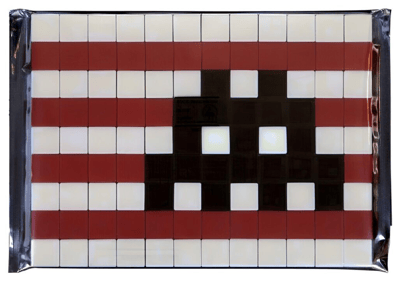
Invader
Invasion Tile Kit #18 L.A, 2018
Ceramics
Ceramic
Inquire For Price
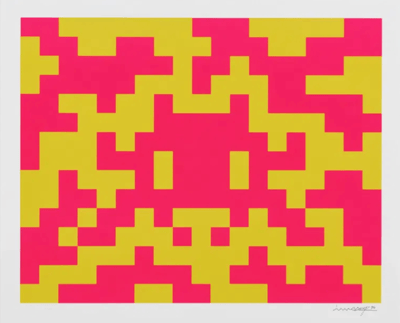
Invader
Camo M-2C-M1, 2024
Limited Edition Print
Screen-print
Inquire For Price

Carmen Herrera
Untitled (Vertical Blue Band), 2018
Limited Edition Print
Intaglio
GBP 7,000 - 10,000
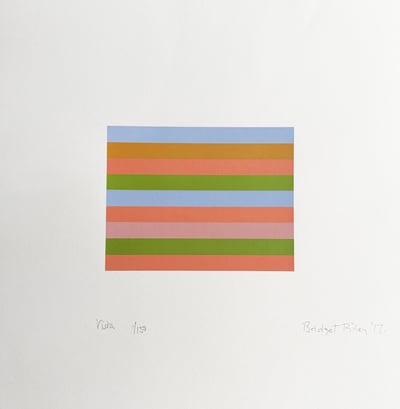
Bridget Riley
Vista, 2017
Limited Edition Print
Screen-print
Inquire For Price
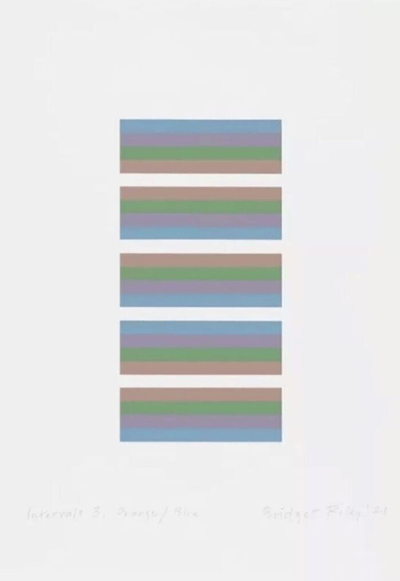
Bridget Riley
Intervals 3 - Orange / Blue, 2021
Limited Edition Print
Screen-print
Inquire For Price
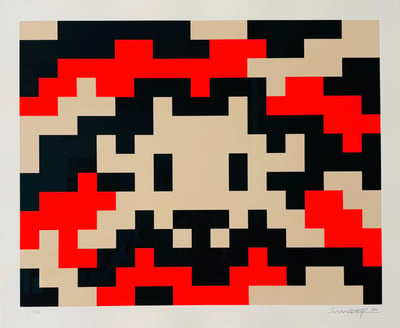
Invader
CAMO M-3C-M2, 2024
Limited Edition Print
Screen-print
EUR 6,000

Julian Opie
Imagine you are driving (fast): Jacques, 2002
Limited Edition Print
Mixed Media
EUR 9,900
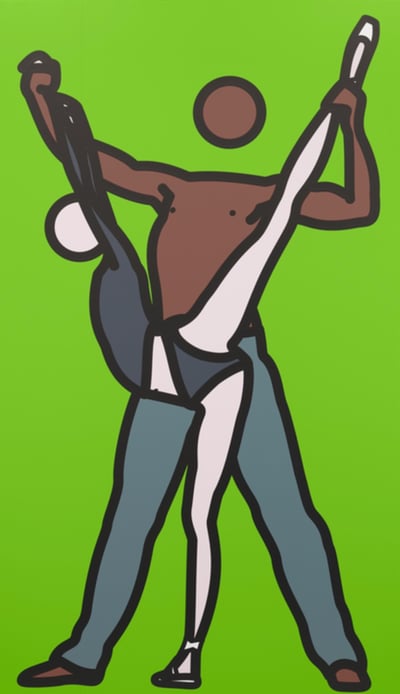
Julian Opie
Eric and Sarah 2, 2010
Painting
Mixed Media
Inquire For Price
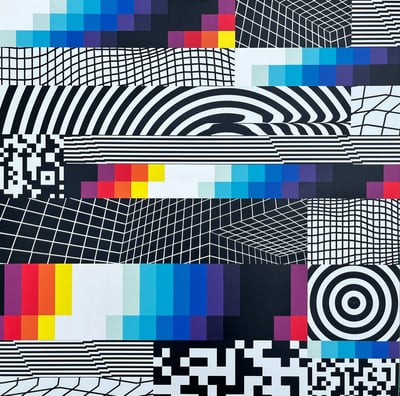
Felipe Pantone
Chromadynamica 26, 2017
Painting
Acrylic paint
EUR 12,000

Donald Sultan
Mimosa, April 12, 2023, 2023
Limited Edition Print
Archival Print
USD 4,200

Donald Sultan
Mimosa with Green, Jan 25, 2023, 2023
Limited Edition Print
Archival Print
USD 4,200

Donald Sultan
Red and Yellow Poppies, 2023
Sculpture / Object
Mixed Media
USD 15,450
Related Articles
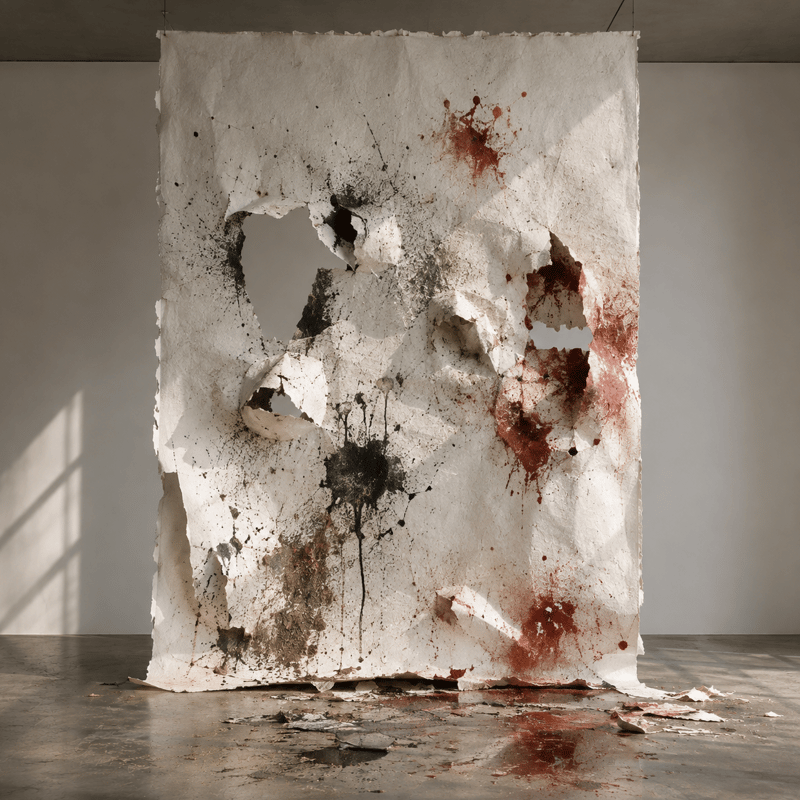
Gutai was a group of Japanese radical artists who formed the Gutai Art Association in 1954. The word Gutai translates to embodiment. The group was known for creating art on the spot for live audiences, often incorporating their own physical movements. Their performances included actions like throwing paint, piercing paper, and rolling in mud, emphasizing the direct interaction between the body and the material.
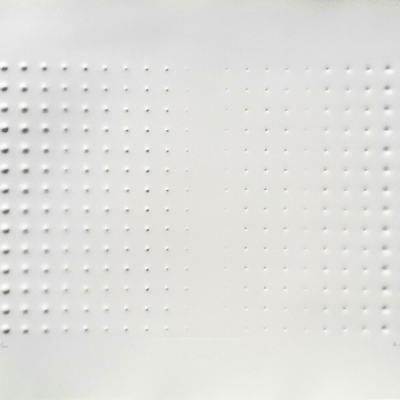
Relief printing is a printmaking process where the design to be printed is etched or cut into a surface, leaving only the raised areas to transfer ink. The non-printing areas are removed, so only the design is inked and printed. Common relief printing techniques include woodcut, linocut, and wood engraving.

Multiples refer to a series of identical art objects produced in limited editions according to the artist's concept. These works are specifically created for sale and are often considered the most affordable and accessible form of contemporary art. What sets multiples apart is their lack of uniqueness, which is typically seen as essential in traditional artworks. Instead, they offer value and enjoyment while making contemporary art more widely available.
Can't find your Answer?
Thank you! Your question has been sent — we'll get back to you shortly.
