
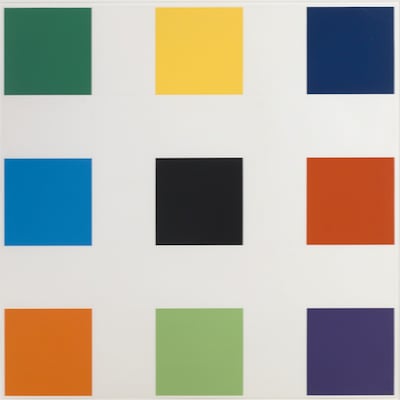
What is Hard Edge Art?
- Show All
- Established
- Discoveries
- Show All
Artworks Related to Hard Edge art

Donald Sultan
Blue and Yellow Poppies, 2023
Sculpture / Object
Mixed Media
USD 15,450

Victor Vasarely
Felhoe (Benavides 1876), 1989
Sculpture / Object
Mixed Media
USD 3,750
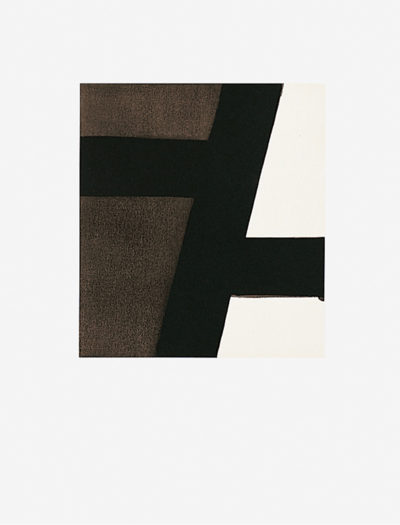
Pierre Soulages
Lithographie n° 21, 1969
Limited Edition Print
Lithograph
Inquire For Price
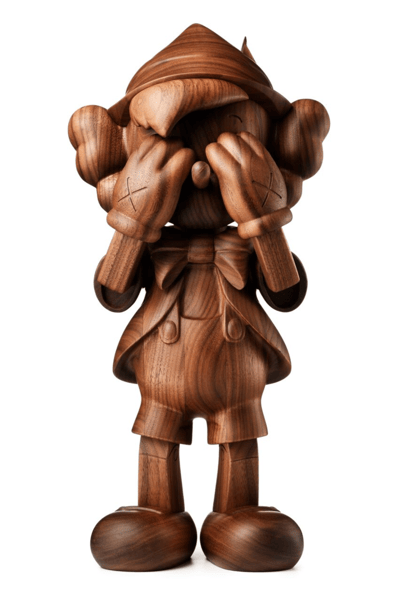
KAWS
Pinocchio, 2017
Sculpture / Object
Wood
Inquire For Price
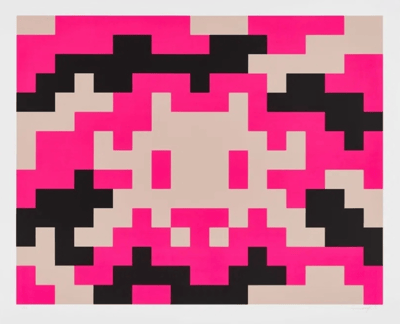
Invader
CAMO XXL-3C-M1, 2024
Limited Edition Print
Screen-print
GBP 16,000 - 20,000
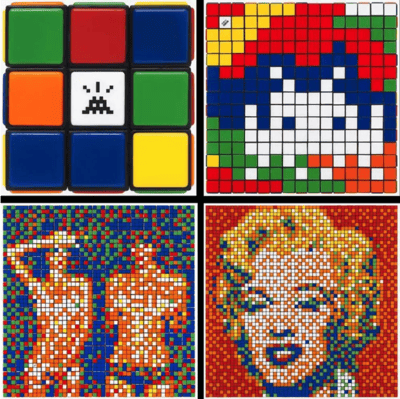
Invader
Rubikcubism (set of 4), 2023
Limited Edition Print
Giclée printing
GBP 18,000 - 23,000

Joan Miró
One plate, Homenatge à Joan Prats, 1975
Limited Edition Print
Lithograph
USD 4,250

Joan Miró
Sobreteixims I Escultures, 1972
Limited Edition Print
Lithograph
Currently Not Available

Julian Opie
Woman taking off man's shirt, 2003
Limited Edition Print
Screen-print
USD 1,950

Donald Judd
A Group of 4 Aquatints 1, 1978-79
Limited Edition Print
Aquatint
Currently Not Available
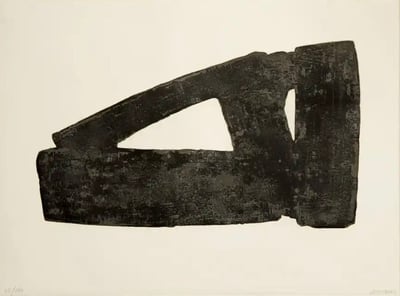
Pierre Soulages
Eau-forte XXXII, 1974
Limited Edition Print
Etching
EUR 29,800

Joan Miró
Preparatifs d’Oiseaux, 1963
Limited Edition Print
Etching and Aquatint
USD 4,060
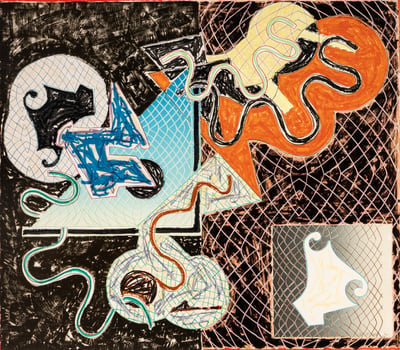
Frank Stella
Shards Variant IVa, 1982
Limited Edition Print
Mixed Media
Inquire For Price

Julian Opie
Long Hair from Old Street Walkers, 2022
Sculpture / Object
Mixed Media
USD 20,000 - 25,000
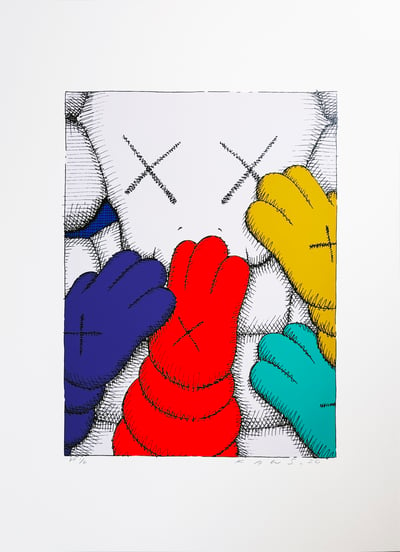
KAWS
Untitled II (Urge), 2020
Limited Edition Print
Silkscreen
Inquire For Price

Donald Sultan
Playing Cards (Jack of Diamonds), 1990
Limited Edition Print
Aquatint
USD 1,450
Related Articles
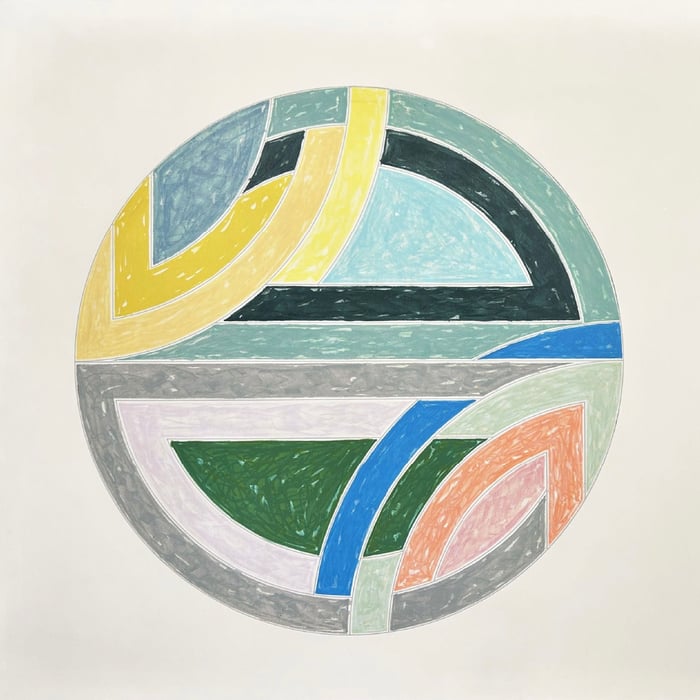
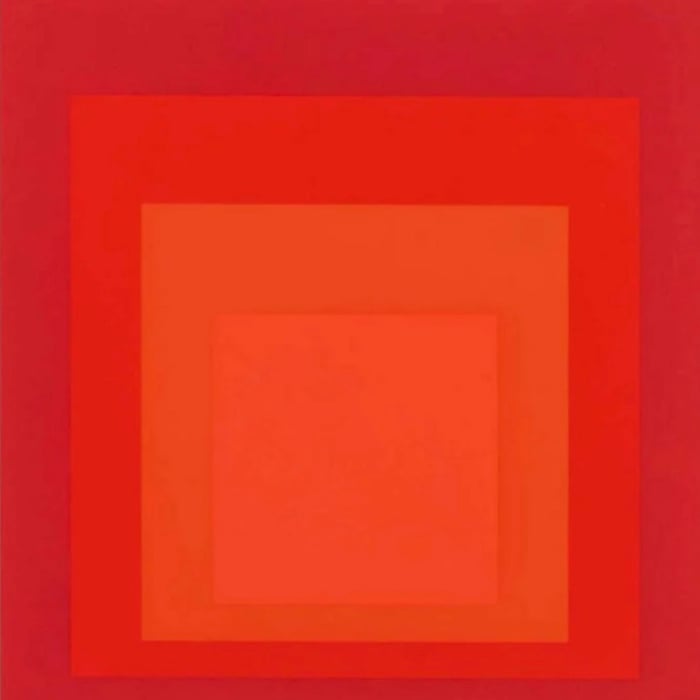

Carborundum is the trademark name for silicon carbide crystals, an abrasive material commonly used in sandpaper, cutting tools, and grinding wheels. Originally, artists used carborundum for grinding lithography stones. In collagraph printmaking, it is applied to plates to create texture and tone gradients, adding depth and contrast to the prints.

Contemporary art refers to avant-garde or innovative art created in the recent past or present day. The exact starting point of contemporary art varies depending on the institution, often tied to the founding year of museums or galleries that showcase the style. Contemporary art is characterized by its focus on current ideas, diverse media, and the exploration of new concepts and techniques.
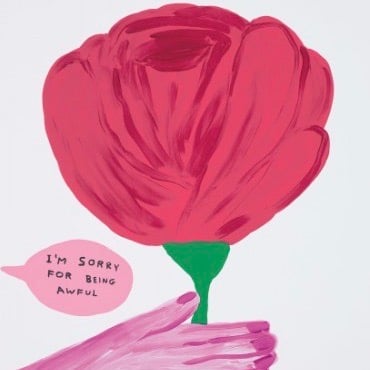
Naïve art describes a style of artwork that is simple and unsophisticated, often created by artists without formal training in an academy or art school. The style is characterized by a lack of advanced techniques, giving it a childlike appearance. Naïve art often features bright colors, simple shapes, and a straightforward approach to subject matter, reflecting the artist's untrained perspective.
Can't find your Answer?
Thank you! Your question has been sent — we'll get back to you shortly.
