
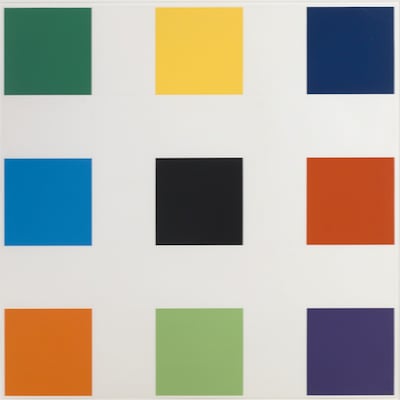
What is Hard Edge Art?
- Show All
- Established
- Discoveries
- Show All
Artworks Related to Hard Edge art

Takashi Murakami
Flower Ball (3-D) Autumn 2004, 2013
Limited Edition Print
Offset Print
USD 3,800
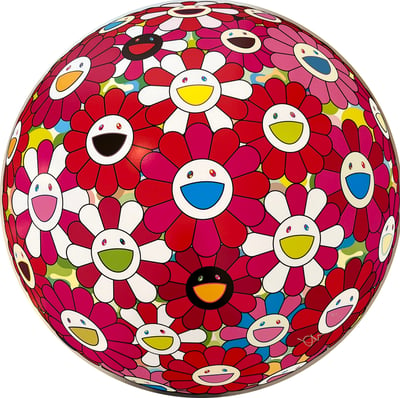
Takashi Murakami
Flowerball (3D) - Papyrus, 2013
Limited Edition Print
Offset Print
USD 4,250

Takashi Murakami
My Arms & Legs Rot off and through my blood rushes forth, the tranquility of my heart shall be prized above, 2007
Limited Edition Print
Offset Print
USD 3,200
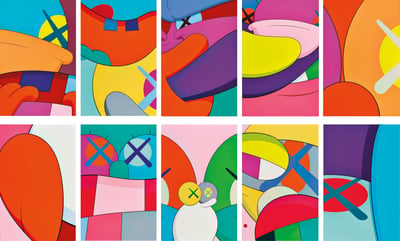
KAWS
No Reply Suite, 2015
Limited Edition Print
Silkscreen
Inquire For Price

Takashi Murakami
New Day Self Portrait, 2011
Limited Edition Print
Silkscreen
USD 8,450
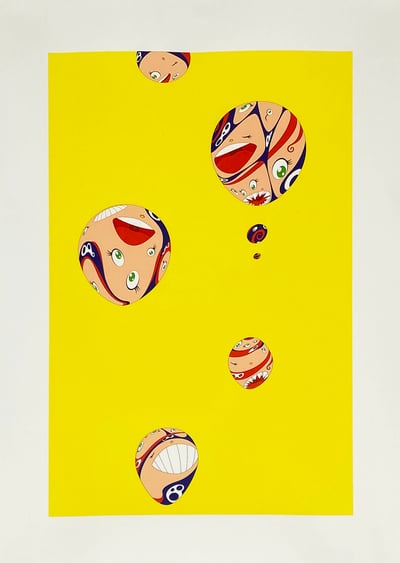
Takashi Murakami
Puka Puka
Limited Edition Print
Screen-print
USD 11,900

Takashi Murakami
And Then x 727 (ULTRA MARINE GUNJO), 2013
Limited Edition Print
Lithograph
Currently Not Available
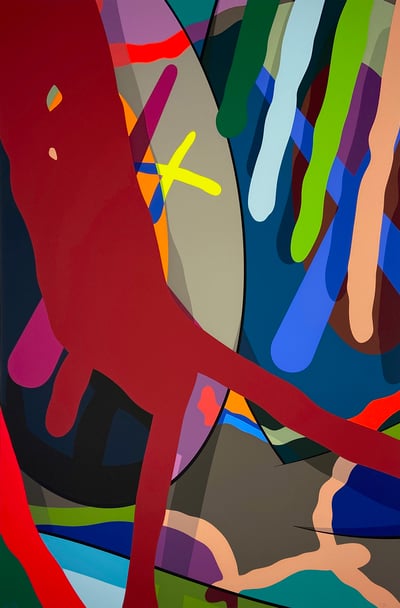
KAWS
Tension #10, 2019
Limited Edition Print
Serigraph
USD 15,500
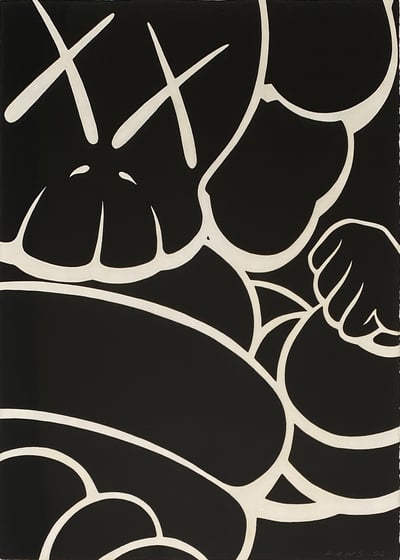
KAWS
Running Chum #2, 2000
Limited Edition Print
Silkscreen
Inquire For Price

Takashi Murakami
Comprehending the 51st Dimension, 2014
Limited Edition Print
Offset Print
USD 4,450
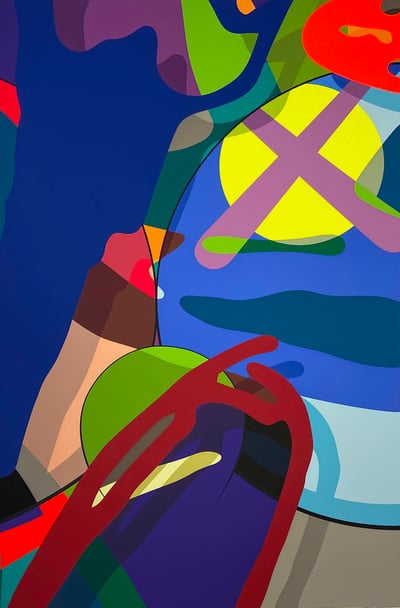
KAWS
Tension #1, 2019
Limited Edition Print
Serigraph
USD 15,500

Takashi Murakami
Nirvana, 2001
Limited Edition Print
Offset Print
USD 6,750

Takashi Murakami
Flowers on the Island Closest to Heaven, 2018
Limited Edition Print
Screen-print
USD 7,950
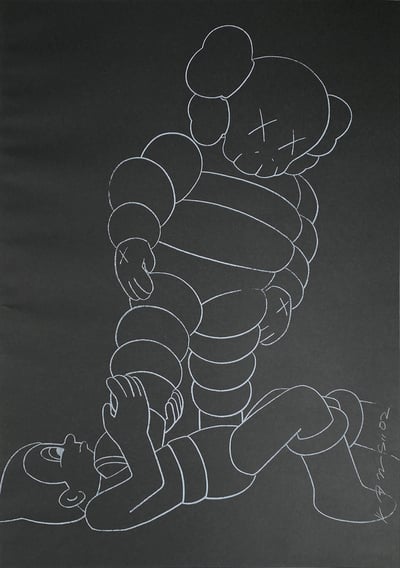
KAWS
Chum vs Astroboy, 2002
Limited Edition Print
Screen-print
Inquire For Price

Julian Opie
Shirt from Crossing, 2021
Limited Edition Print
Mixed Media
USD 20,000 - 25,000

Takashi Murakami
Red Demon Blue Demon with 48 Arhats, 2013
Limited Edition Print
Offset Print
USD 5,500
Related Articles
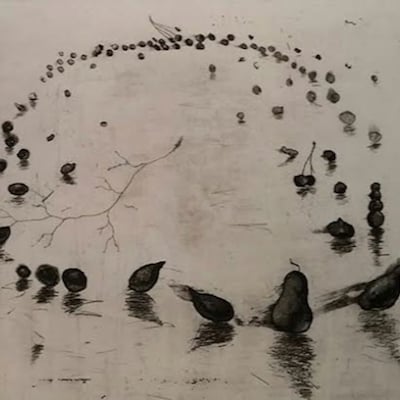
Drypoint is an intaglio printmaking technique where an image is incised onto a plate using a sharp, pointed tool, typically a needle made of metal or diamond. Traditionally, copper plates were used, but today zinc, plexiglass, or acetate are also common. Drypoint is easier for drawing artists to master compared to engraving, as the needle technique resembles drawing with a pencil rather than the more complex burin used in engraving.
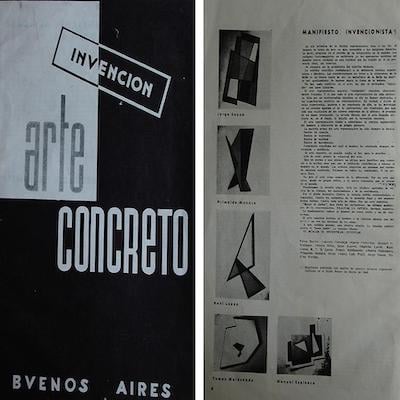
The Manifesto Invencionista was published in 1946, marking the beginning of the concrete art movement in Buenos Aires, Argentina. Written by artist Tomás Maldonado and published by the Asociación Arte Concreto-Invención, the manifesto announced the principles of Concrete Art. Concrete art is purely abstract, with no reference to visual reality, emphasizing geometric forms and the materiality of the artwork itself.

Colored pencils consist of a core made from various colored pigments mixed with a binder, encased in wood. They can also be found as solid pigment sticks without the wooden casing. When drawing, the pigment is transferred to a surface, allowing for lines and shading in different thicknesses.
Can't find your Answer?
Thank you! Your question has been sent — we'll get back to you shortly.
