

What is late modernism?
- Show All
- Established
- Discoveries
- Show All
Artworks Related to Late modernism

Joan Miró
42, Rue Blomet, 1977
Limited Edition Print
Lithograph
USD 13,100

Joan Miró
Untitled from Joan Miró, 1974
Limited Edition Print
Lithograph
USD 15,100

Sam Francis
Untitled (SFE-071), 1989
Limited Edition Print
Mixed Media
USD 10,500
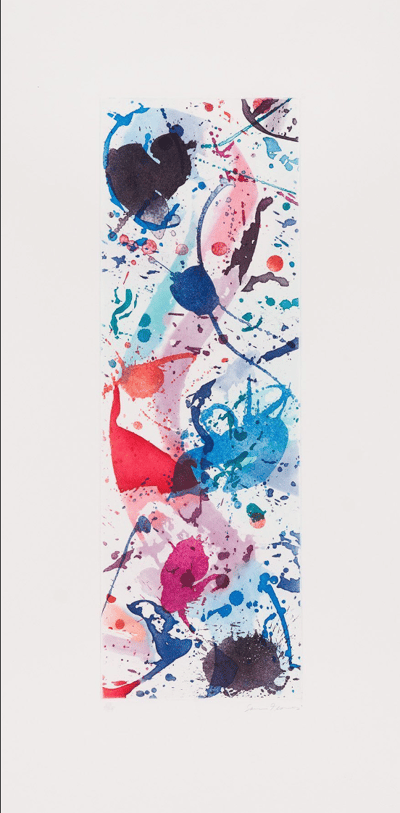
Sam Francis
Untitled (SFE-013), 1984
Limited Edition Print
Aquatint
USD 7,400

Sam Francis
Untitled Red (American Foundation), 1992
Limited Edition Print
Etching
USD 11,600
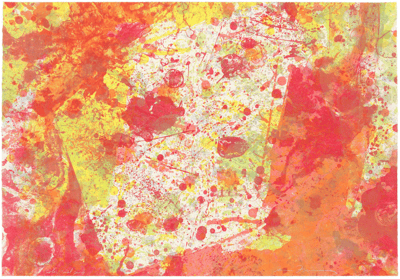
Sam Francis
And Pink (SF-143), 1973
Limited Edition Print
Lithograph
USD 11,600
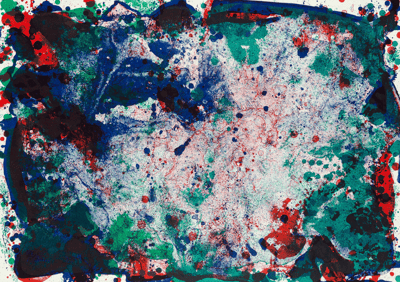
Sam Francis
Another Footprint, 1971
Limited Edition Print
Lithograph
USD 11,600
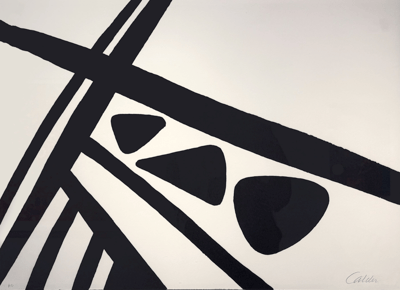
Alexander Calder
Iron Frame / Charpente de fer, 1969
Limited Edition Print
Lithograph
USD 6,900

David Hockney
Beautiful and White Flowers
Limited Edition Print
Mixed Media
GBP 9,000 - 12,000
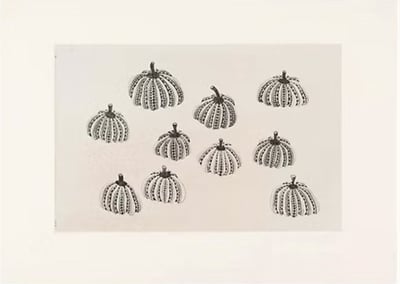
Yayoi Kusama
Pumpkin Army, 1994
Limited Edition Print
Etching
GBP 45,000 - 50,000

Sean Scully
Paris Black, 2004
Limited Edition Print
Lithograph
GBP 10,000 - 14,000

Howard Hodgkin
Ice, 2013
Limited Edition Print
Screen-print
GBP 4,620
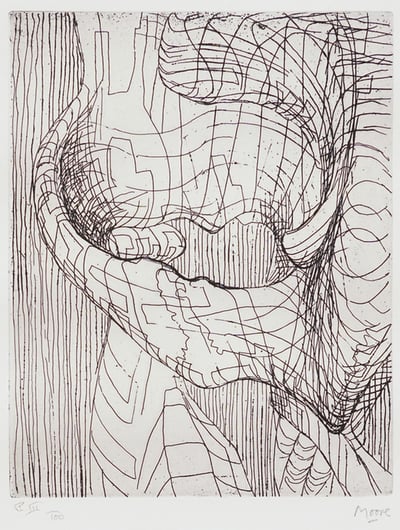
Henry Moore
Elephant Skull, 1969
Limited Edition Print
Etching
GBP 1,620

David Hockney
The Restaurateur - Peter At Odins, 1974
Limited Edition Print
Etching and Aquatint
GBP 11,940

David Hockney
The French Shop, 1971
Limited Edition Print
Etching and Aquatint
GBP 21,500
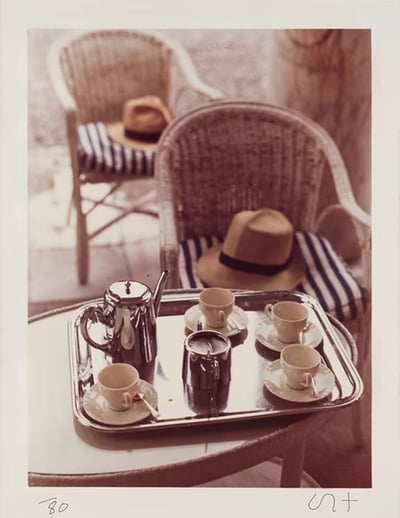
David Hockney
Still Life with Hats, 1973
Photography
C-Print
GBP 10,200
Related Articles



A print is an image or text reproduced using a template or master form. Prints are typically created by transferring ink from a prepared matrix to another material, often paper. Common matrices include copper or zinc plates for etching and engraving, aluminum or stone for lithography, wood blocks for woodcuts, and linoleum for linocuts. The term print can also refer to a single impression made from the matrix.

The Light and Space Movement refers to loosely affiliated art movements connected to minimalism, geometric abstraction, and op art that originated in Southern California in the 1960s. Greatly influenced by artist John McLaughlin, these artists focused on sensory phenomena such as light, perception, and space as central elements of their work. They also incorporated cutting-edge technologies from the aerospace and engineering industries to develop light-filled and sensuous objects, creating immersive experiences that emphasize the viewer's perception.

Neo-Dada is a minor visual and audio art movement with intents similar to those of Dada artwork. While it revives some of Dada's objectives, Neo-Dada emphasizes the importance of the produced artwork rather than the concept behind it. The movement is considered the foundation of Pop Art, Nouveau Réalisme, and Fluxus. Neo-Dada is known for its use of absurdist contrasts, popular imagery, and modern materials, blending high and low culture in a way that challenges traditional artistic conventions.
Can't find your Answer?
Thank you! Your question has been sent — we'll get back to you shortly.
