

What is late modernism?
- Show All
- Established
- Discoveries
- Show All
Artworks Related to Late modernism
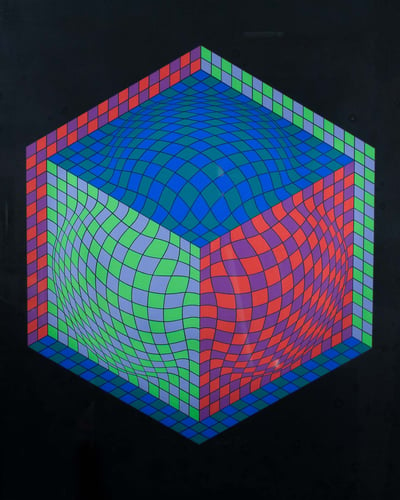
Victor Vasarely
Dagg 2, 1981
Limited Edition Print
Screen-print
Inquire For Price
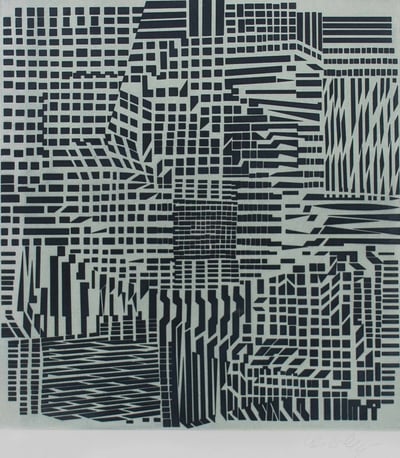
Victor Vasarely
Hommage a Bach III, ca. 1980
Limited Edition Print
Etching and Aquatint
Inquire For Price
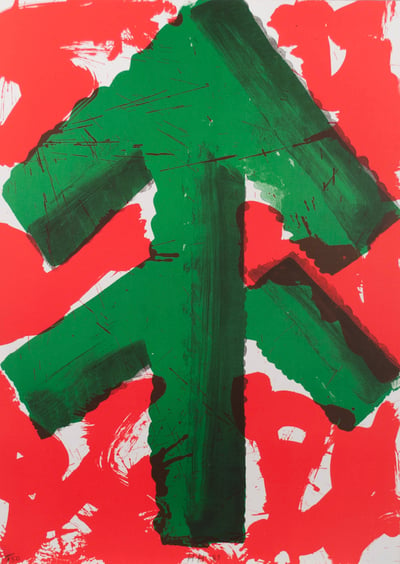
Howard Hodgkin
Welcome, 1983
Limited Edition Print
Lithograph
Inquire For Price
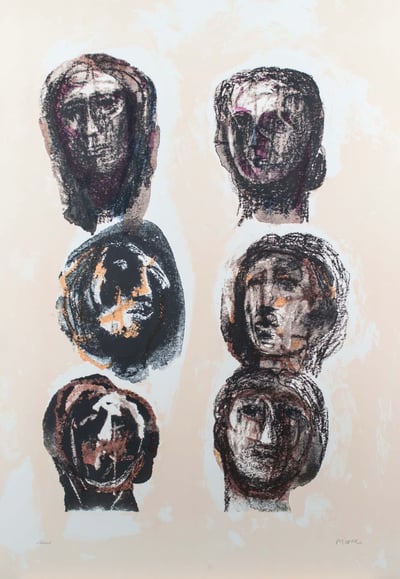
Henry Moore
Six Heads Olympians, 1982
Limited Edition Print
Lithograph
Inquire For Price
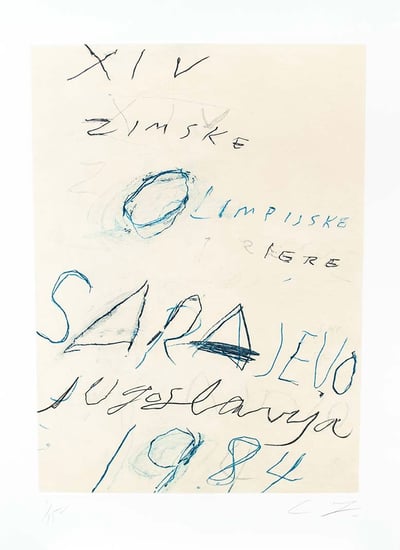
Cy Twombly
Sarajevo, 1984
Limited Edition Print
Mixed Media
Inquire For Price
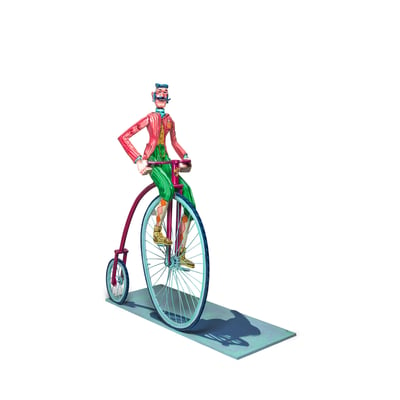
Red Grooms
Bicyclist, 1999
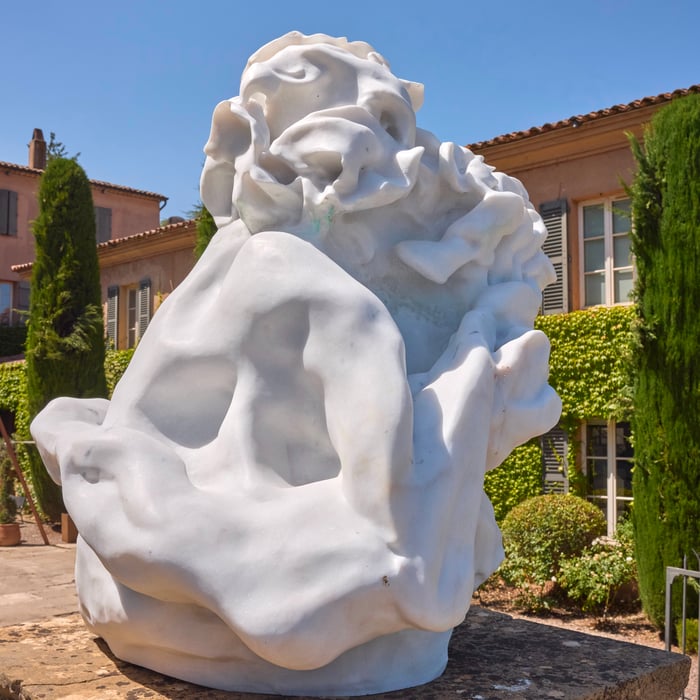
Sculpture / Object
Metal
Inquire For Price
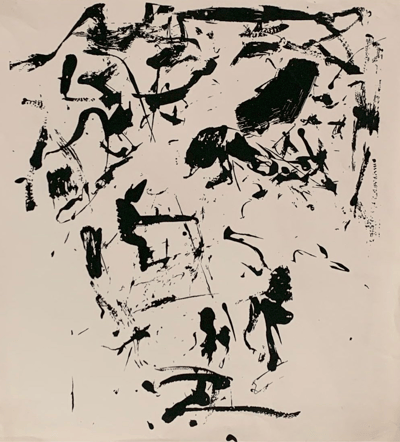
Joan Mitchell
Untitled (The Poems), ca. 1959
Limited Edition Print
Screen-print
USD 7,000
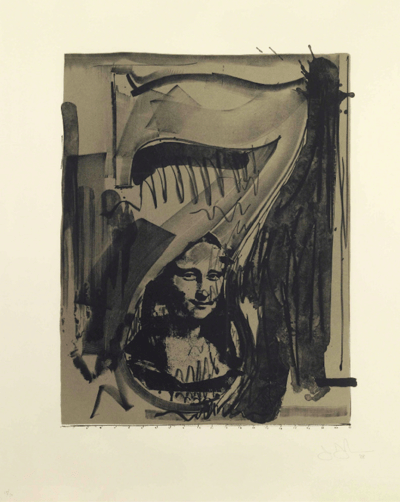
Jasper Johns
Figure 7, Black Numerals Series, 1968
Limited Edition Print
Lithograph
Inquire For Price
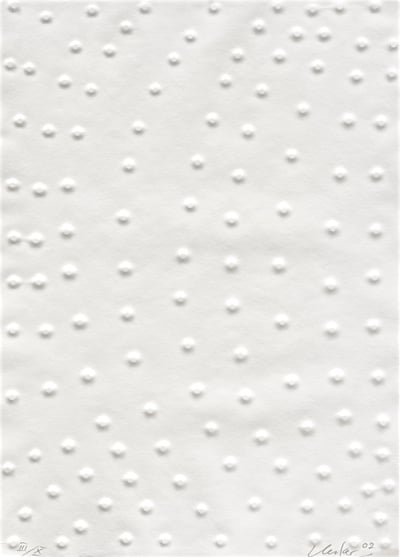
Gunther Uecker
Graphein III, Ahirom von Byblos, 2002
Limited Edition Print
Embossing
EUR 12,000
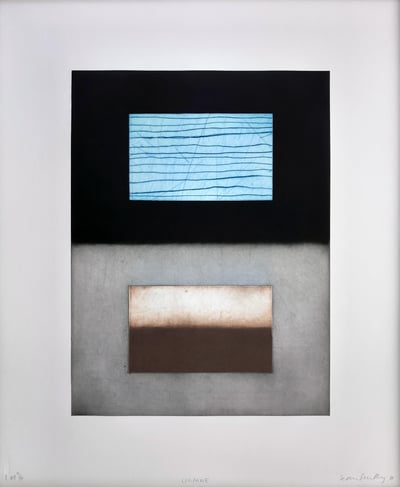
Sean Scully
Liliane 8, 2010
Limited Edition Print
Etching and Aquatint
EUR 5,750
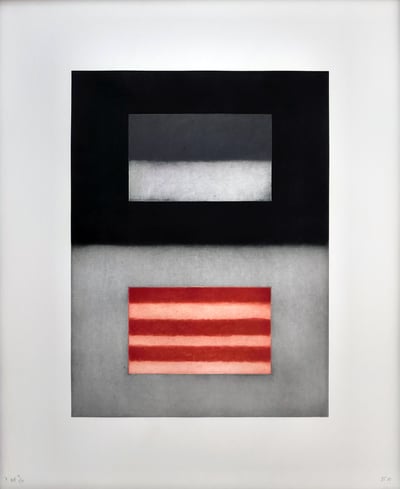
Sean Scully
Liliane 7, 2010
Limited Edition Print
Etching and Aquatint
EUR 5,750
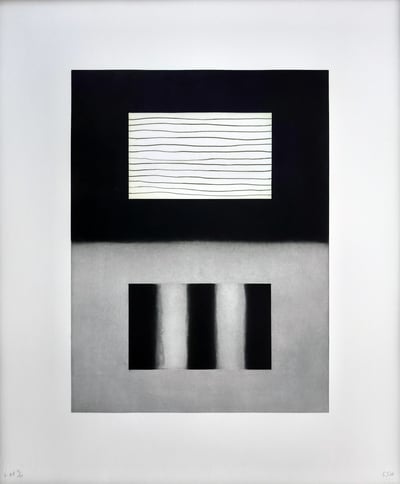
Sean Scully
Liliane 6, 2010
Limited Edition Print
Etching and Aquatint
Currently Not Available
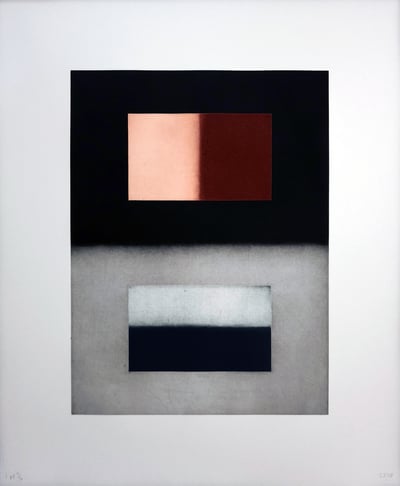
Sean Scully
Liliane 5, 2010
Limited Edition Print
Etching and Aquatint
EUR 5,750
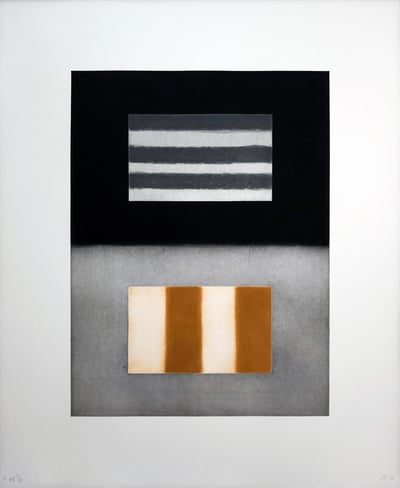
Sean Scully
Liliane 4, 2010
Limited Edition Print
Etching and Aquatint
EUR 5,750
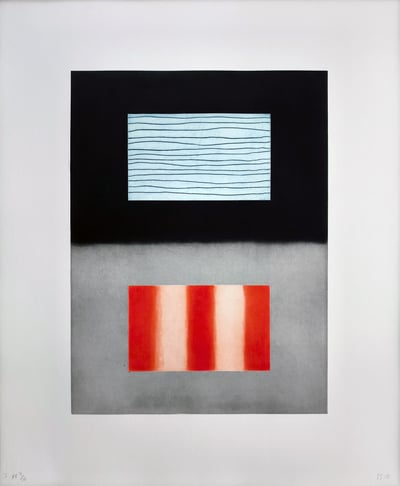
Sean Scully
Liliane 3, 2010
Limited Edition Print
Etching and Aquatint
EUR 5,750
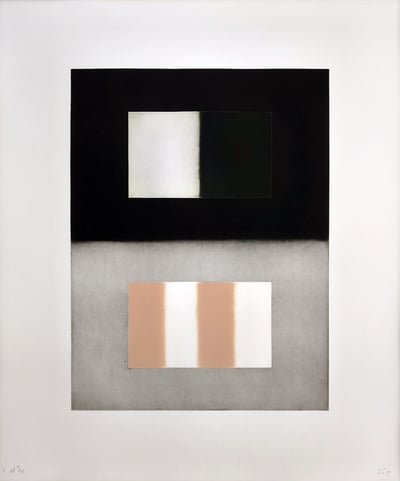
Sean Scully
Liliane 2, 2010
Limited Edition Print
Etching and Aquatint
EUR 5,750
Related Articles


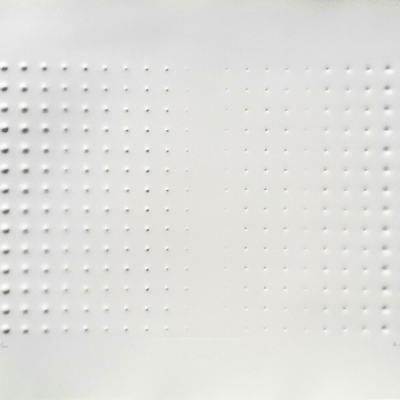
Relief printing is a printmaking process where the design to be printed is etched or cut into a surface, leaving only the raised areas to transfer ink. The non-printing areas are removed, so only the design is inked and printed. Common relief printing techniques include woodcut, linocut, and wood engraving.
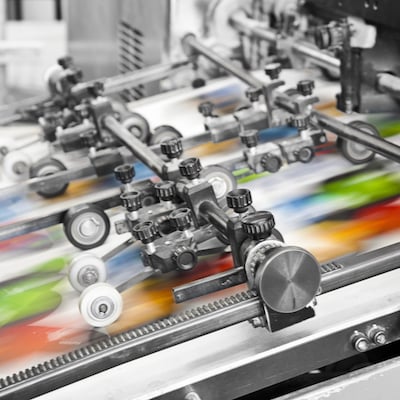
Offset lithography is a printing technique where the inked image is first transferred (offset) from a plate to a rubber blanket and then to the printing surface. This method combines the lithographic process, which relies on the repulsion of water and oil, to keep non-printing areas ink-free by attracting a water-based film. Offset lithography was originally developed to reduce costs in reproducing artwork and is widely used for high-volume printing due to its efficiency and ability to produce sharp, consistent images.

Pop Art is an art movement that began in Britain in 1955 and in the late 1950s in the U.S. It challenged traditional fine arts by incorporating imagery from popular culture, such as news, advertising, and comic books. Pop Art often isolates and recontextualizes materials, combining them with unrelated elements. The movement is more about the attitudes and ideas that inspired it than the specific art itself. Pop Art is seen as a reaction against the dominant ideas of Abstract Expressionism, bringing everyday consumer culture into the realm of fine art.
Can't find your Answer?
Thank you! Your question has been sent — we'll get back to you shortly.
