

What is late modernism?
- Show All
- Established
- Discoveries
- Show All
Artworks Related to Late modernism
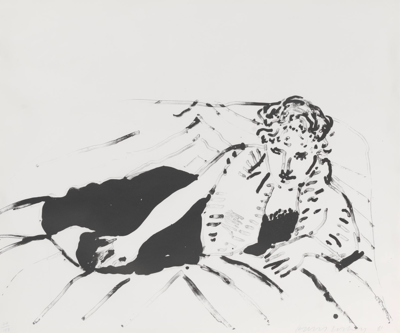
David Hockney
Big Celia Print #1, 1982
Limited Edition Print
Lithograph
USD 65,000 - 75,000
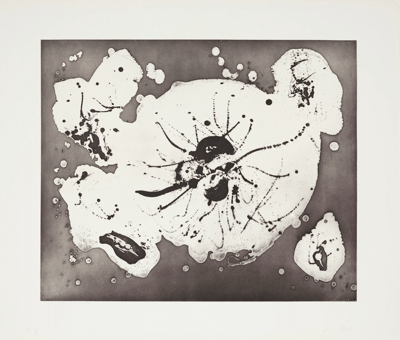
Sam Francis
Island Plate, 1973
Limited Edition Print
Etching and Aquatint
Inquire For Price
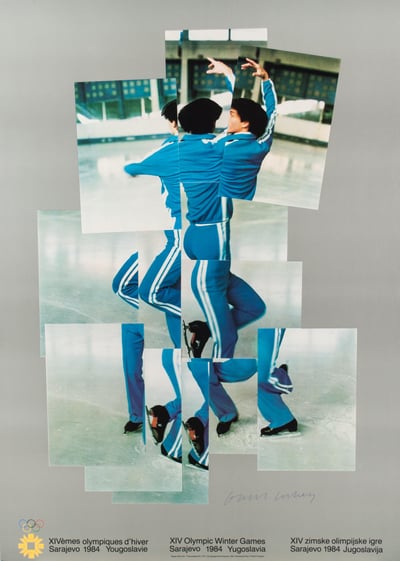
David Hockney
Skater, 1983
Limited Edition Print
Lithograph
EUR 2,400
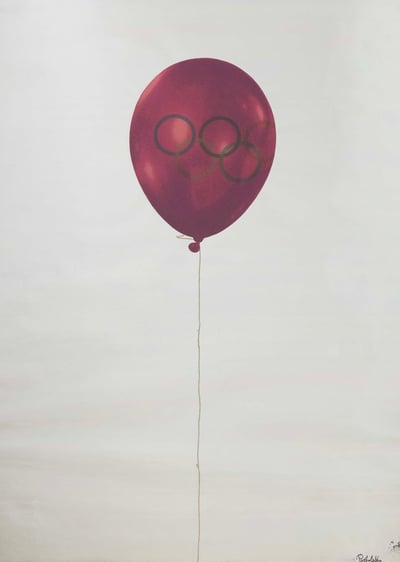
Michelangelo Pistoletto
Balloon, 1983
Limited Edition Print
Silkscreen
Inquire For Price
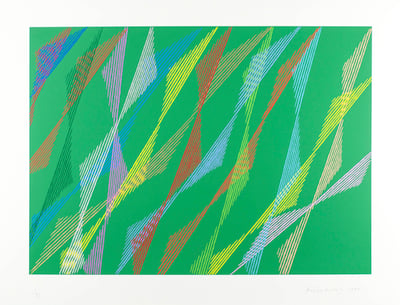
Piero Dorazio
La Ribambelle Des Gobelins II, 1992
Limited Edition Print
Silkscreen
EUR 1,750
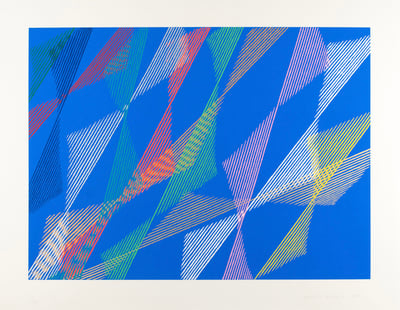
Piero Dorazio
La Ribambelle Des Gobelins I, 1992
Limited Edition Print
Silkscreen
EUR 1,750
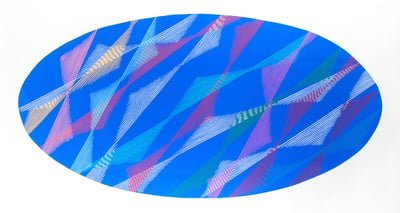
Piero Dorazio
Ellisse blu, 1989
Limited Edition Print
Silkscreen
EUR 2,400
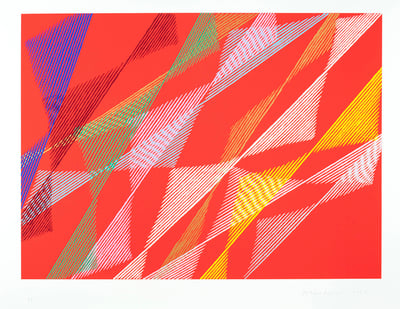
Piero Dorazio
La Ribambelle Des Gobelins IV, 1992
Limited Edition Print
Silkscreen
EUR 1,750
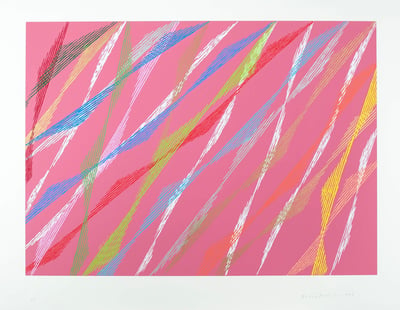
Piero Dorazio
La Ribambelle Des Gobelins V, 1992
Limited Edition Print
Silkscreen
EUR 1,750
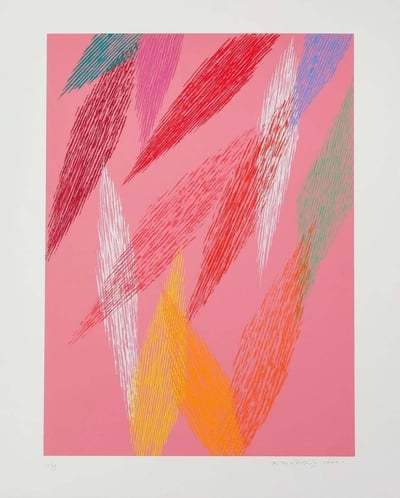
Piero Dorazio
Pink Abstract, 1992
Limited Edition Print
Silkscreen
EUR 1,750

Victor Vasarely
Olla, 1988
Limited Edition Print
Silkscreen
Inquire For Price

Victor Vasarely
Thez I, 1986
Limited Edition Print
Silkscreen
Inquire For Price

Victor Vasarely
Metagalaxie, 1989
Limited Edition Print
Silkscreen
Inquire For Price
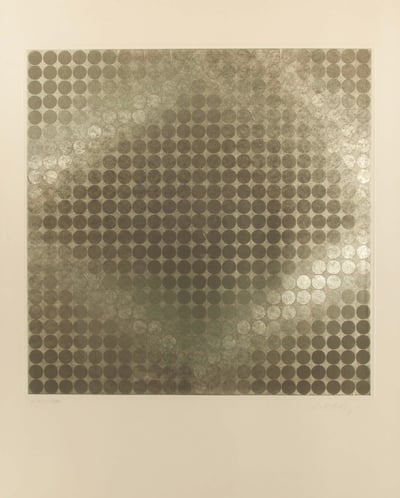
Victor Vasarely
Di.am, ca. 1980
Limited Edition Print
Silkscreen
Inquire For Price
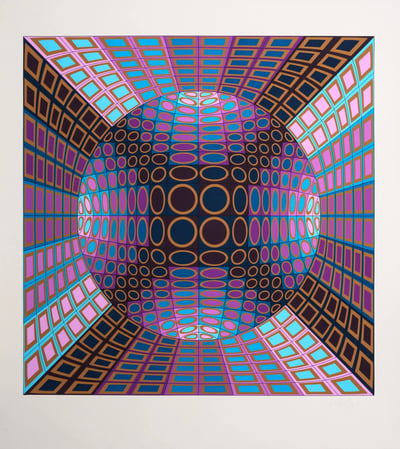
Victor Vasarely
Niels Bohr, 1981
Limited Edition Print
Silkscreen
Inquire For Price
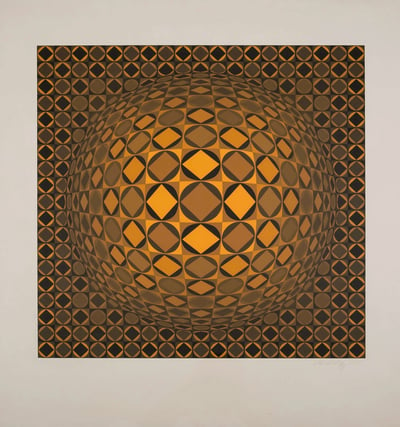
Victor Vasarely
Sann (Benavides 891), 1981
Limited Edition Print
Screen-print
Inquire For Price
Related Articles


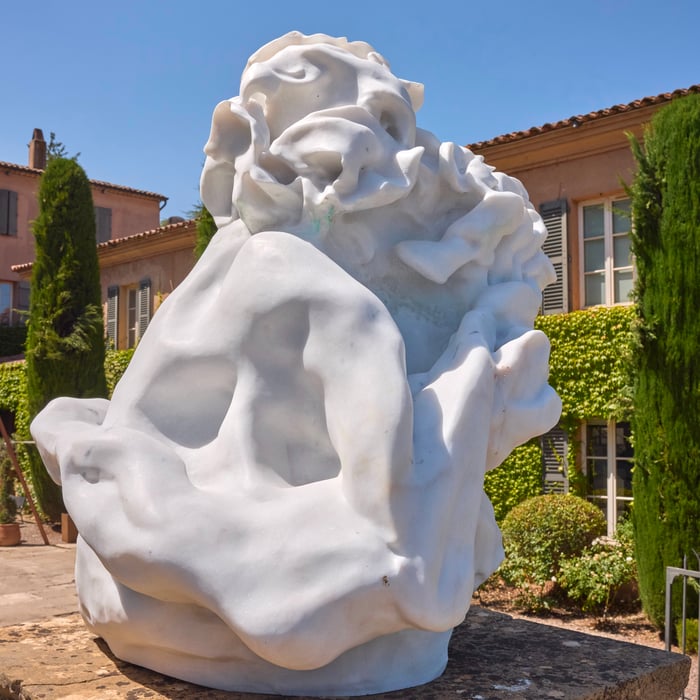
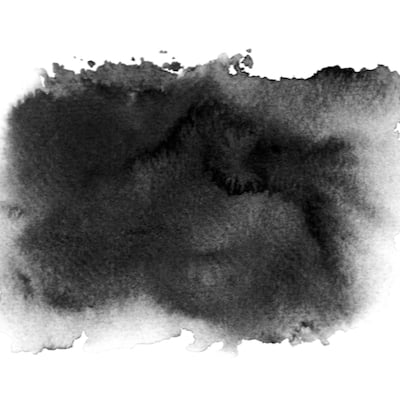
Ink is a colored liquid or paste used for writing, drawing, painting, and printing. The term also refers to the process of applying ink to mark, cover, stain, draw, or trace over pencil lines. Ink can be applied using various tools, such as pens, brushes, and quills.

Spatialism is an art movement that originated in Italy in 1947, founded by Lucio Fontana with the intention of synthesizing sound, color, movement, and space into a new form of art. The movement's central ideas were outlined in Fontana's first manifesto, published in 1947, where he introduced the concept of spatial art to capture the spirit of the post-war era. His ideas were further developed in five subsequent manifestos. Although Fontana's ideas were sometimes considered vague, his influence was significant, as he was one of the first European artists to emphasize art as a performance and gesture.
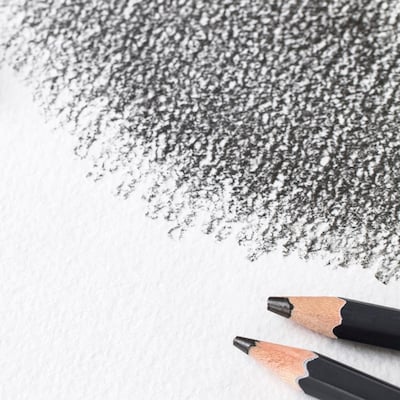
A pencil is a writing and drawing tool with a core of solid pigment, typically graphite or colored, encased in a protective layer of wood or composite material. Pencils make marks on paper by transferring part of the core pigment onto the surface.
Can't find your Answer?
Thank you! Your question has been sent — we'll get back to you shortly.
