

What is late modernism?
- Show All
- Established
- Discoveries
- Show All
Artworks Related to Late modernism
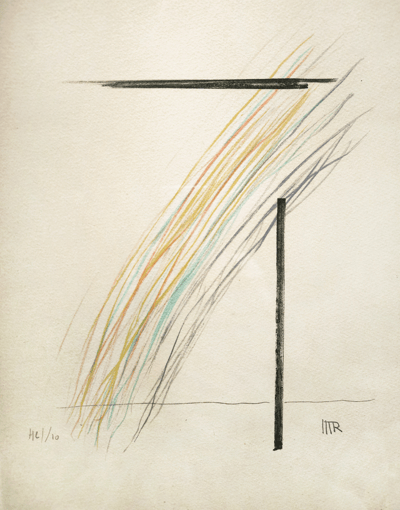
Man Ray
Invasion de l'espace, 1974
Limited Edition Print
Lithograph
EUR 2,300

Joan Miró
Personnage Romantique, 1975
Limited Edition Print
Etching and Aquatint
EUR 9,000

Joan Miró
La Revolte des Caracteres, 1982
Limited Edition Print
Etching
EUR 7,800

Joan Miró
Le Lezard aux Plumes D'or, 1971
Limited Edition Print
Lithograph
EUR 6,700

Joan Miró
Le Lezard aux Plumes D'or, 1971
Limited Edition Print
Lithograph
EUR 7,200
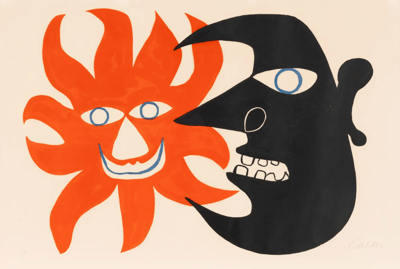
Alexander Calder
Black Moon and Red Sun, ca. 1970
Limited Edition Print
Lithograph
USD 6,900
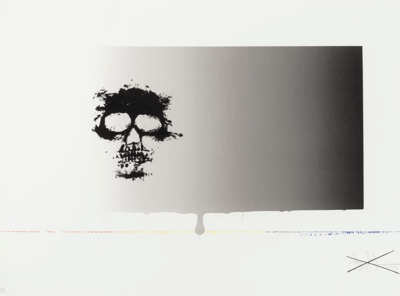
Jasper Johns
Untitled (from Reality and Paradoxes), 1973
Limited Edition Print
Screen-print
USD 3,850
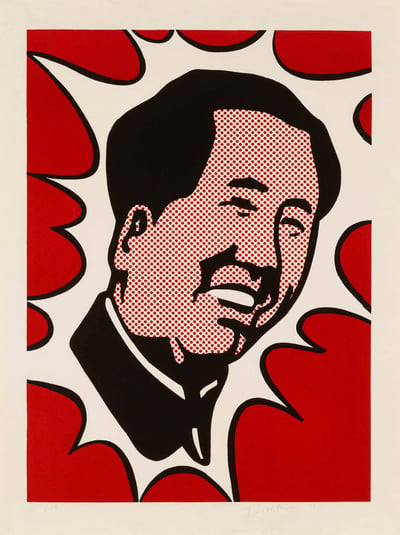
Roy Lichtenstein
Mao, 1971
Limited Edition Print
Lithograph
USD 19,500

Joan Miró
Untitled (Cosmic Bloom)
Drawing / Watercolor
Mixed Media
USD 17,000 - 21,000
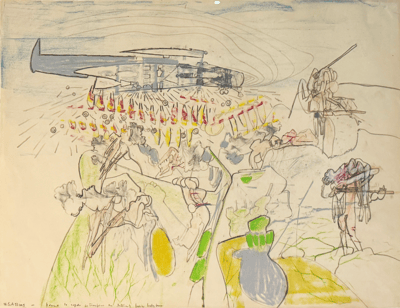
Roberto Matta
U.S. Assasins, 1962
Drawing / Watercolor
Crayon
Inquire For Price
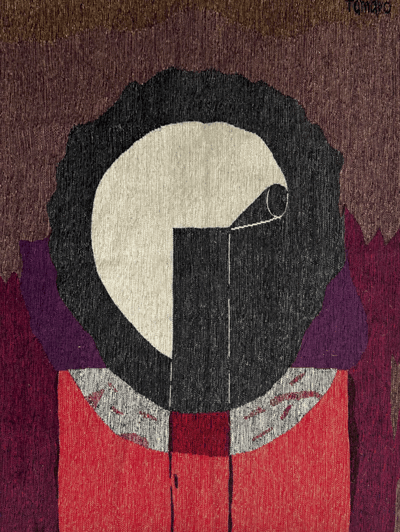
Rufino Tamayo
Untitled (Textile), 1960s
Tapestry
Tapestry
Inquire For Price

Joan Miró
Untitled (Chromatic Scribble)
Drawing / Watercolor
Mixed Media
USD 17,000 - 21,000
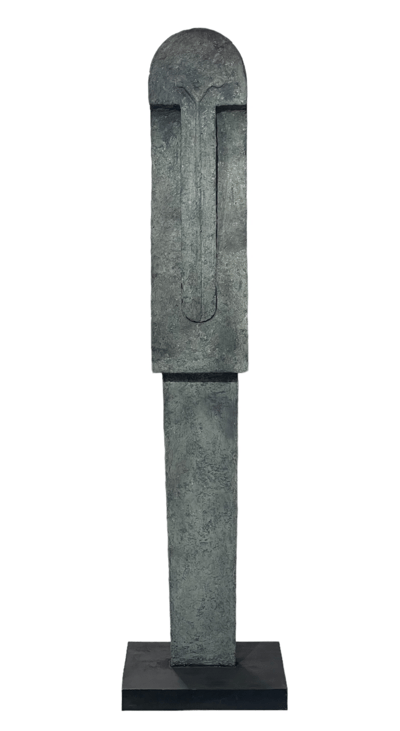
Rufino Tamayo
Monolito, 1981
Sculpture / Object
Mixed Media
Inquire For Price
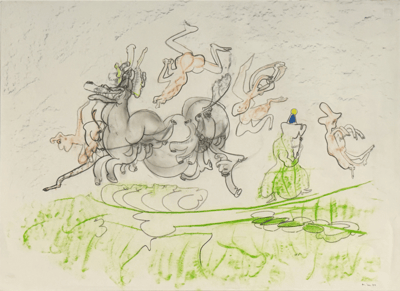
Roberto Matta
Le Cirque, 1969
Drawing / Watercolor
Crayon
Inquire For Price
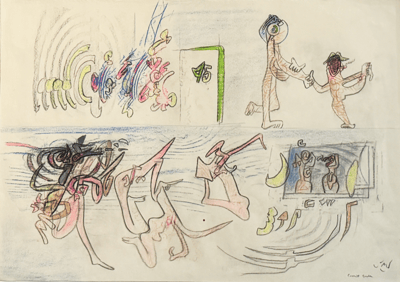
Roberto Matta
Covent Garden, 1977
Drawing / Watercolor
Crayon
Inquire For Price
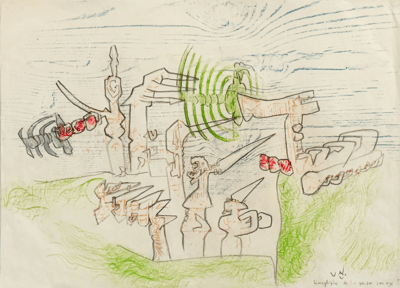
Roberto Matta
Hieroglyphe De La Pen See, 1975
Drawing / Watercolor
Crayon
Inquire For Price
Related Articles


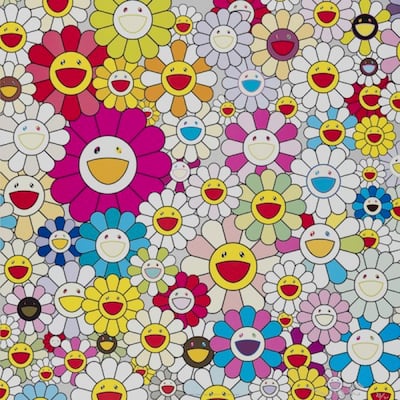
Superflat is an art movement founded by Takashi Murakami, heavily influenced by anime and manga. The term Superflat refers to the flattened forms found in Japanese animation, graphic art, fine arts, and pop culture, as well as the perceived superficiality of Japanese culture. Murakami's movement, which he self-proclaimed, is considered postmodern and critiques both the depth and shallowness of contemporary Japanese society. Superflat has been highly influential in bridging the gap between high art and popular culture.

The Light and Space Movement refers to loosely affiliated art movements connected to minimalism, geometric abstraction, and op art that originated in Southern California in the 1960s. Greatly influenced by artist John McLaughlin, these artists focused on sensory phenomena such as light, perception, and space as central elements of their work. They also incorporated cutting-edge technologies from the aerospace and engineering industries to develop light-filled and sensuous objects, creating immersive experiences that emphasize the viewer's perception.

Recto and verso are terms used to describe the right and left pages of an open book, or the front and back of a sheet of paper. In both cases, recto refers to the right-hand page or the front of the paper, while verso refers to the left-hand page or the back of the paper. These terms are commonly used in bookbinding, printmaking, and art to distinguish between the two sides of a sheet.
Can't find your Answer?
Thank you! Your question has been sent — we'll get back to you shortly.
