

What is late modernism?
- Show All
- Established
- Discoveries
- Show All
Artworks Related to Late modernism
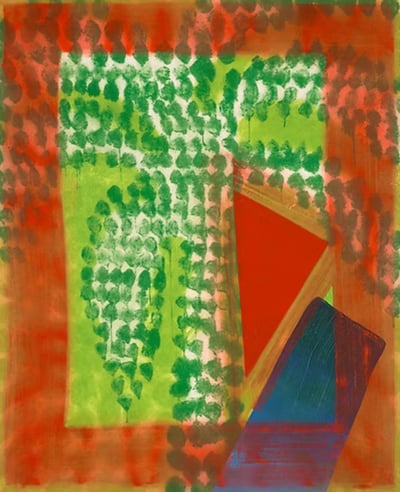
Howard Hodgkin
Street Palm, 1990
Limited Edition Print
Mixed Media
GBP 12,500 - 16,200
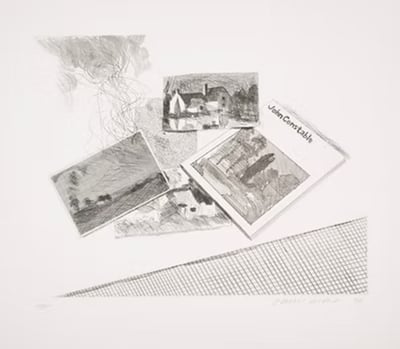
David Hockney
For John Constable, 1976
Limited Edition Print
Etching and Aquatint
GBP 9,500 - 12,300

David Hockney
16th February 2021, More Flowers In A Glass Vase, 2022
Limited Edition Print
Mixed Media
GBP 85,000 - 110,000
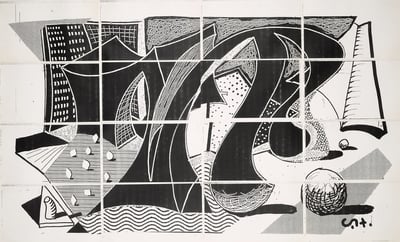
David Hockney
Hotel By The Sea, 1989
Limited Edition Print
Mixed Media
GBP 18,000 - 23,400
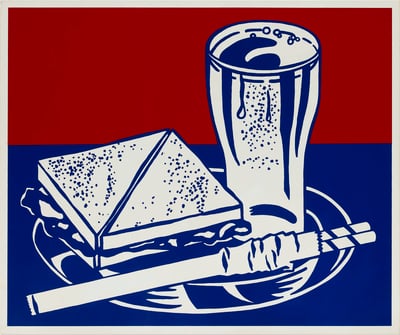
Roy Lichtenstein
Sandwich and Soda, 1964
Limited Edition Print
Screen-print
USD 19,500

Andy Warhol
Gee, Merrie Shoes, 1956
Limited Edition Print
Mixed Media
GBP 19,000
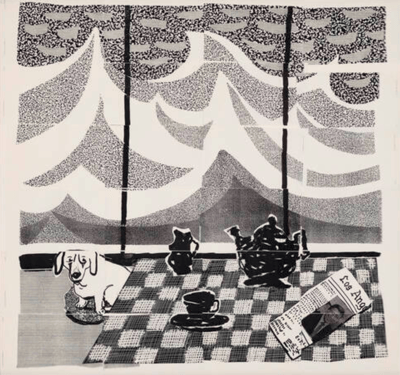
David Hockney
Breakfast with Stanley in Malibu, 1989/1994
Limited Edition Print
Monoprint
GBP 23,000

Andy Warhol
Electric Chair, 1971
Limited Edition Print
Screen-print
GBP 22,000
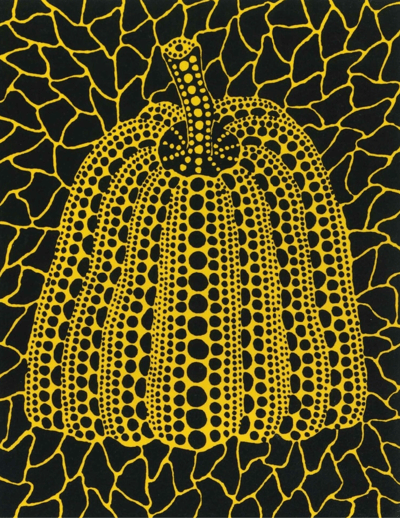
Yayoi Kusama
Pumpkin (S), 1992
Limited Edition Print
Screen-print
GBP 37,500

Andy Warhol
Campbell's Soup Can I: Black Bean, 1968
Limited Edition Print
Screen-print
GBP 65,000
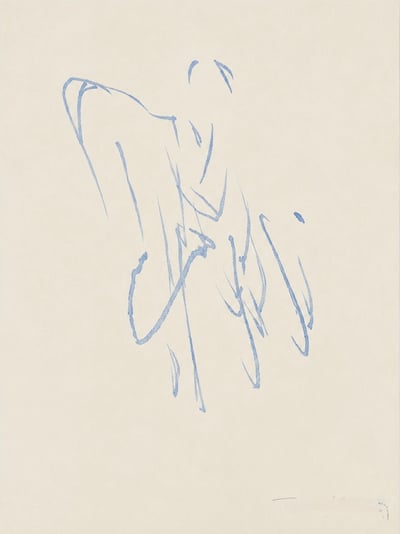
Jean Tinguely
Meta – Matic N9, 1960
Drawing / Watercolor
Pen and ink
EUR 500
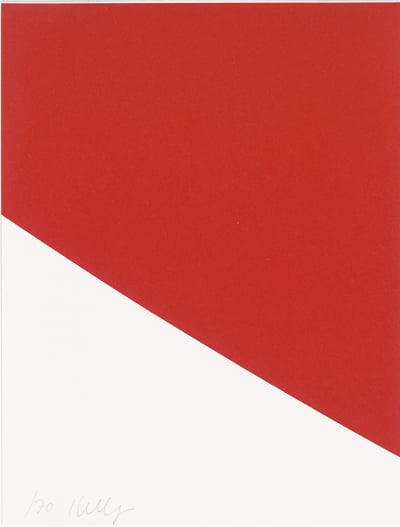
Ellsworth Kelly
Red Curve, 1999
Limited Edition Print
Lithograph
USD 16,000
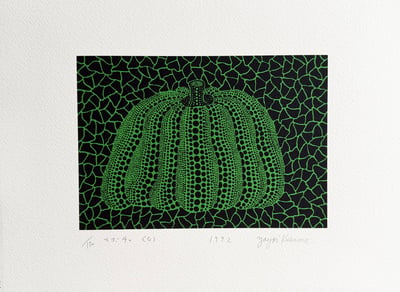
Yayoi Kusama
Pumpkin (G), 1992
Limited Edition Print
Screen-print
USD 45,750
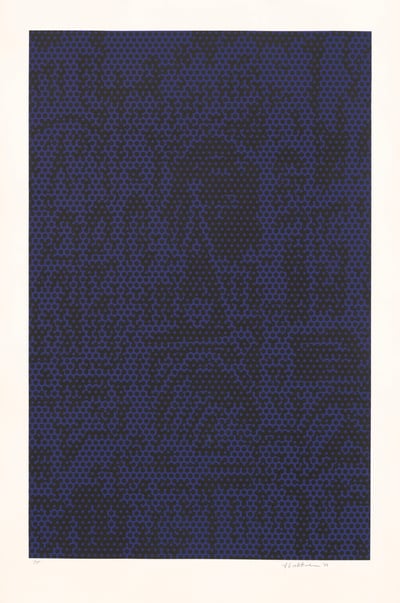
Roy Lichtenstein
Cathedral #6, 1969
Limited Edition Print
Lithograph
USD 21,200
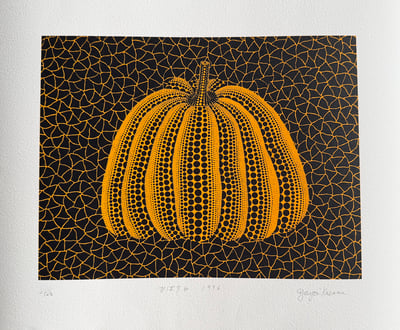
Yayoi Kusama
Pumpkin (YY), 1996
Limited Edition Print
Screen-print
USD 50,000 - 60,000

David Hockney
Untitled No. 516, 2010-2016
Limited Edition Print
Digital Print on paper
USD 60,000 - 70,000
Related Articles


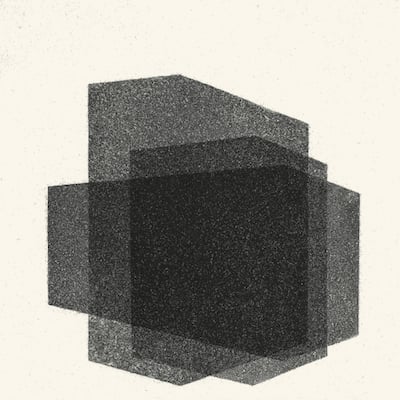
Intaglio is a printmaking technique where the artist creates marks on a metal plate that hold ink or dye. The inked plate is then pressed onto paper, transferring the ink to the sheet. This process can be repeated multiple times depending on the technique. Intaglio methods, such as etching, often involve applying a mordant (acid) to the metal plate to create the design. Intaglio encompasses various techniques, including engraving, etching, and drypoint.
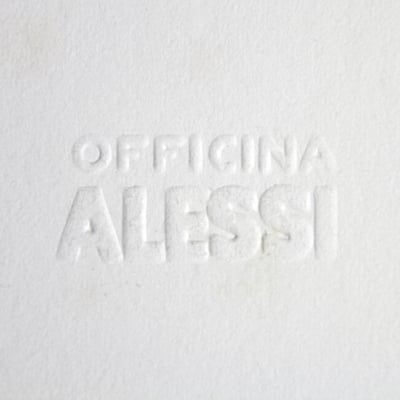
A watermark is an image or pattern embedded into a sheet of paper during the papermaking process. Each papermaker includes a faint trademark, which becomes visible when the paper is held up to a light source. Watermarks serve as a mark of authenticity and are used for identification, often carrying historical significance in determining the origin and age of the paper.

Transavanguardia is the Italian version of Neo-Expressionism, referring to an art movement that emerged in Italy and other parts of Western Europe during the 1970s and 1980s. The term translates to beyond the avant-garde. Transavanguardia arose as a reaction against the dominance of conceptual art, reintroducing emotion and reviving painting as a primary medium. The movement marked a return to mythic imagery and figurative art, celebrating a rediscovery of traditional forms and themes in a contemporary context.
Can't find your Answer?
Thank you! Your question has been sent — we'll get back to you shortly.
