

What is late modernism?
- Show All
- Established
- Discoveries
- Show All
Artworks Related to Late modernism

Sean Scully
Liliane 1, 2010
Limited Edition Print
Etching and Aquatint
EUR 5,750

Andy Warhol
Myths: Mammy, II.262, 1981
Limited Edition Print
Screen-print
USD 35,000 - 40,000

Andy Warhol
Blackglama (Judy Garland), 1985
Limited Edition Print
Screen-print
USD 35,000 - 40,000

Joan Miró
Les Oiseleurs I, 1951
Limited Edition Print
Lithograph
USD 18,500
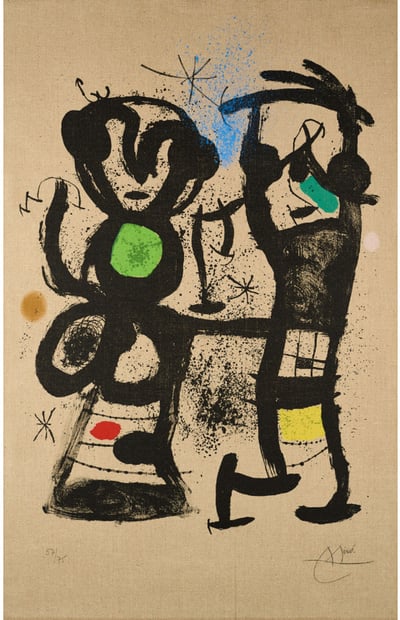
Joan Miró
La Conversation, 1969
Limited Edition Print
Lithograph
USD 25,000

Joan Miró
Arlequin Circonscrit, 1973
Limited Edition Print
Lithograph
USD 15,000
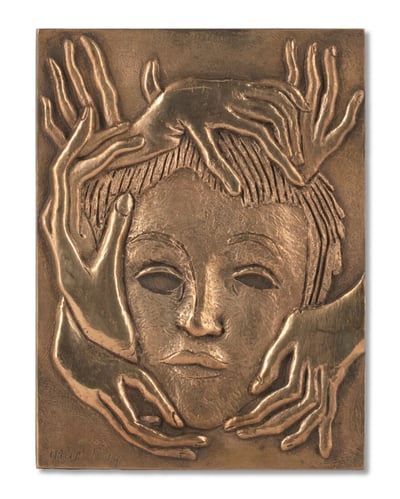
Man Ray
Masque, 1971
Sculpture / Object
Bronze
USD 9,750
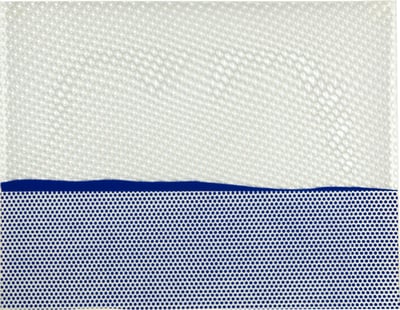
Roy Lichtenstein
Seascape No 1, 1964
Limited Edition Print
Screen-print
USD 42,000
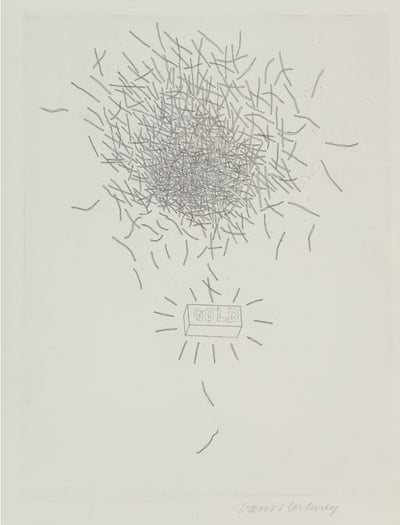
David Hockney
Gold, 1969
Limited Edition Print
Etching and Aquatint
USD 6,000
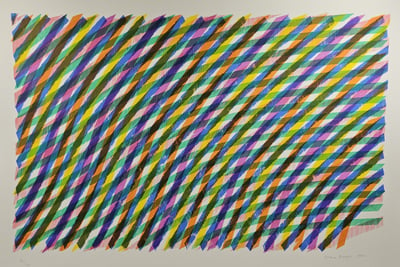
Piero Dorazio
Reticolo. Composizione No 2, 1984
Limited Edition Print
Lithograph
USD 2,000

Thiebaud Wayne
Three Cows, 1991
Limited Edition Print
Drypoint
USD 11,300

Thiebaud Wayne
Dark Hill River, 2002
Limited Edition Print
Mixed Media
Inquire For Price
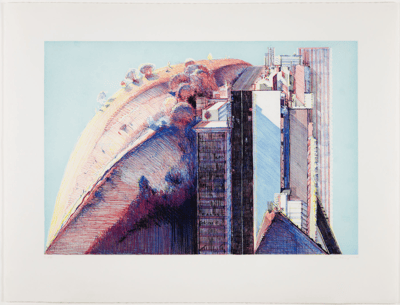
Thiebaud Wayne
Country City, 1988
Limited Edition Print
Mixed Media
Inquire For Price
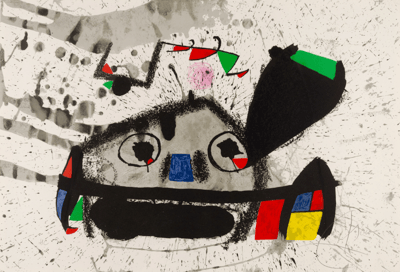
Joan Miró
Barcelona II, 1975
Limited Edition Print
Lithograph
USD 5,400
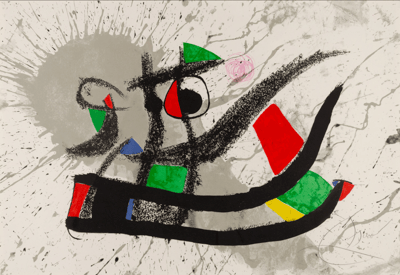
Joan Miró
Barcelona III, 1975
Limited Edition Print
Lithograph
USD 5,400

Joan Miró
Mandarin of the North, 1976
Limited Edition Print
Lithograph
USD 13,200
Related Articles



Digital art refers to art which is created using digital technology. It can be generated by computer, drawn or scanned with a tablet using a mouse. Video may be downloaded to computers so artists can manipulate images filmed with a video camera.

De Stijl, meaning The Style, was a group of Dutch artists who created abstract art based on strict adherence to vertical and horizontal geometry. The group was founded by Piet Mondrian and Theo van Doesburg in 1917. Mondrian eventually left De Stijl when Van Doesburg began incorporating diagonal geometry into his work, which Mondrian felt deviated from the group's principles.

Light art refers to artworks that use light as the primary medium. These can include sculptures or installations that interact with the natural or urban environment. Light art can be suspended, in relief, ground-based, permanent, or temporary. There are two main types of light art: one displayed indoors in galleries and another exhibited outdoors. Light art has been used throughout human history, from ancient times to contemporary public installations.
Can't find your Answer?
Thank you! Your question has been sent — we'll get back to you shortly.
