

What is late modernism?
- Show All
- Established
- Discoveries
- Show All
Artworks Related to Late modernism

Andy Warhol
Oyster Stew (from Campbell's Soup II), 1969
Limited Edition Print
Screen-print
Inquire For Price

Victor Vasarely
Skier, 1983
Limited Edition Print
Screen-print
Currently Not Available

Andy Warhol
Camouflage, II.413, 1987
Limited Edition Print
Screen-print
USD 50,000 - 60,000
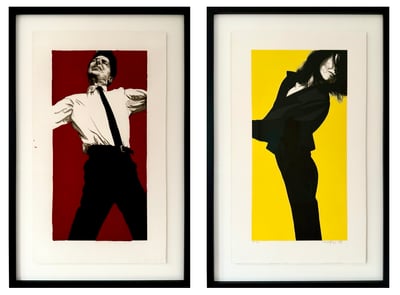
Robert Longo
Gretchen & Jules (Men in the cities), 1982; 1983
Limited Edition Print
Lithograph
Inquire For Price
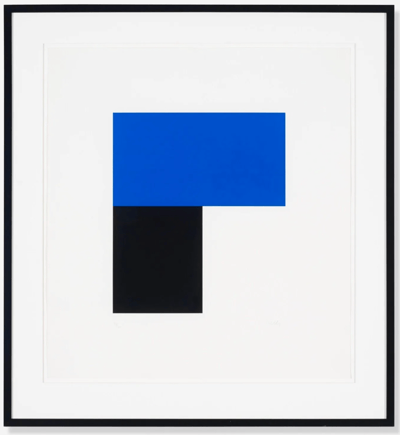
Ellsworth Kelly
Blue with Black II, 1972-74
Limited Edition Print
Screen-print
USD 18,900
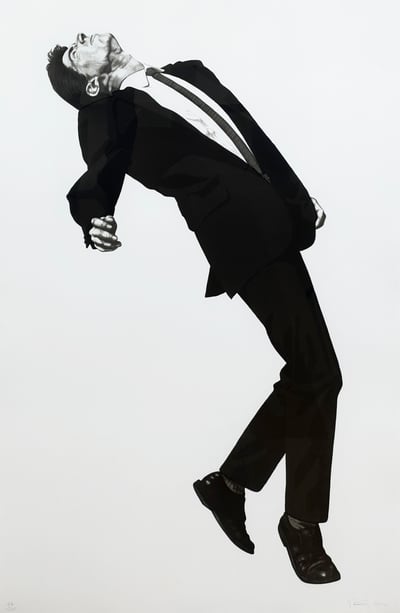
Robert Longo
Jules, from Men in the Cities, 2002
Limited Edition Print
Lithograph
USD 40,000 - 45,000

Andy Warhol
In The Bottom of my Garden IV.101A, 1956
Limited Edition Print
Mixed Media
Inquire For Price

Andy Warhol
In The Bottom of my Garden IV.102A, 1956
Limited Edition Print
Mixed Media
USD 7,200
Andy Warhol
Private Listing
Limited Edition Print
Andy Warhol
Private Listing
Limited Edition Print
Andy Warhol
Private Listing
Painting
Andy Warhol
Private Listing
Limited Edition Print
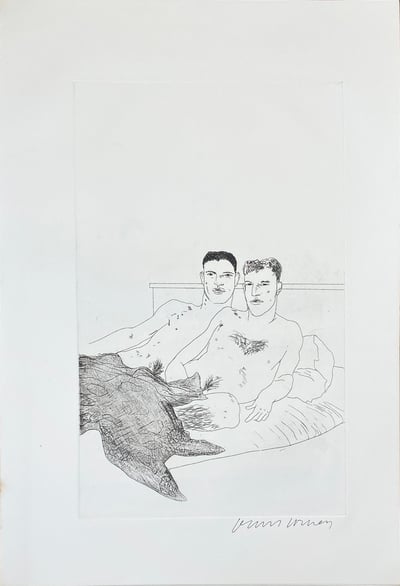
David Hockney
Illustrations for Fourteen Poems from C.P. Cavafy: The Beginning, 1966
Limited Edition Print
Etching and Aquatint
USD 5,800
Andy Warhol
Private Listing
Painting
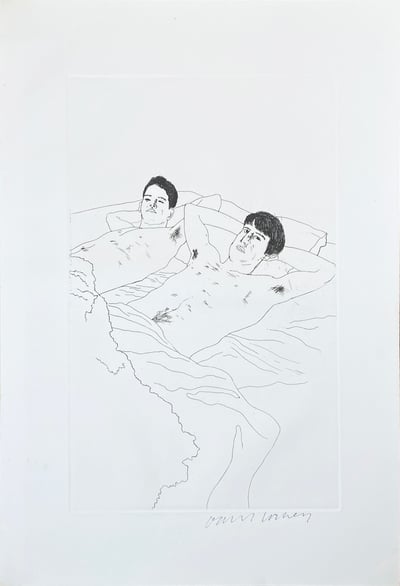
David Hockney
Illustrations for Fourteen Poems from C.P. Cavafy: In Despair, 1966
Limited Edition Print
Etching and Aquatint
USD 5,800
Andy Warhol
Private Listing
Limited Edition Print
Related Articles


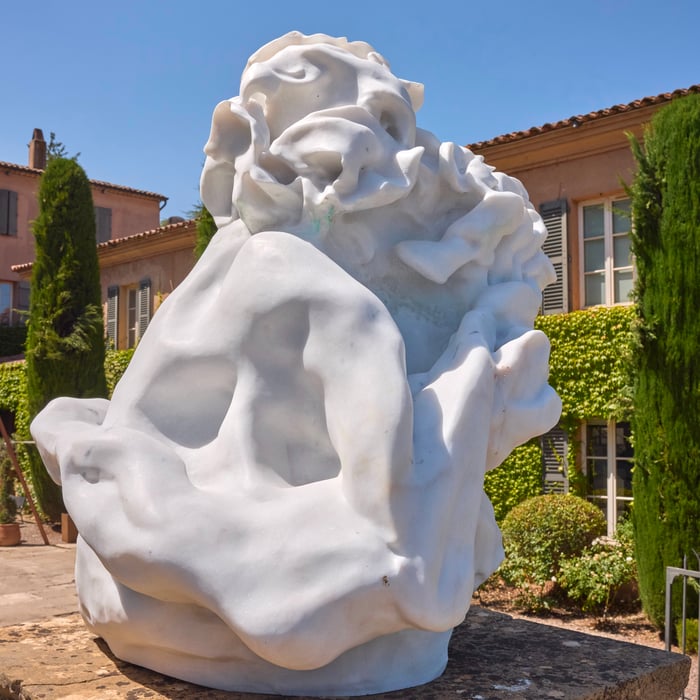
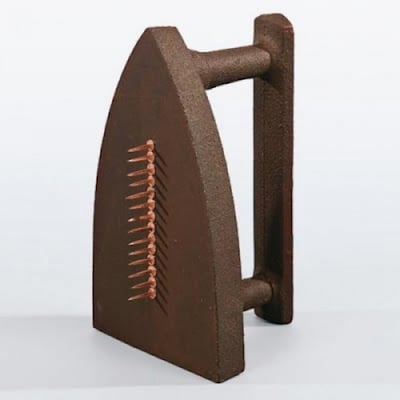
Readymade is the term coined by French artist Marcel Duchamp to describe artworks created from manufactured objects. Duchamp selected ordinary, functional items that he felt had visual indifference, turning them into art simply by choosing and presenting them in a new context. This concept challenged traditional notions of art and continues to influence artists who adopt similar approaches today.

Postminimalism refers to a range of art styles that emerged in the 1960s, following the Minimalism movement. While Minimalism focused on simplicity and impersonality, Postminimalist artists retained some elements of Minimalism but also explored greater expressiveness, experimenting with new materials and techniques. This movement includes various forms of art such as conceptual art, body art, performance art, process art, and site-specific works. Postminimalism represents a shift toward more personal, tactile, and process-oriented approaches to art-making.
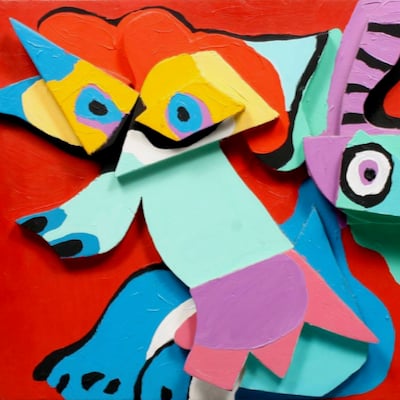
CoBrA stands for Copenhagen, Brussels, and Amsterdam; the group was formed with a desire to break away from the existing art movements of the time. Their critique of Western society led them to experiment and evolve into a significant international movement. CoBrA was founded on November 8, 1948, at the Notre Dame Café in Paris, where its manifesto was signed by Karel Appel, Joseph Noiret, Corneille, Christian Dotremont, Constant, and Asger Jorn. The group was united by a shared commitment to freedom in both form and color, and their work emphasized experimentation and spontaneity.
Can't find your Answer?
Thank you! Your question has been sent — we'll get back to you shortly.
