

What is late modernism?
- Show All
- Established
- Discoveries
- Show All
Artworks Related to Late modernism

Andy Warhol
George Gershwin, F. & S. IIB.231 (TP), c. 1980
Limited Edition Print
Screen-print
USD 39,000 - 50,000
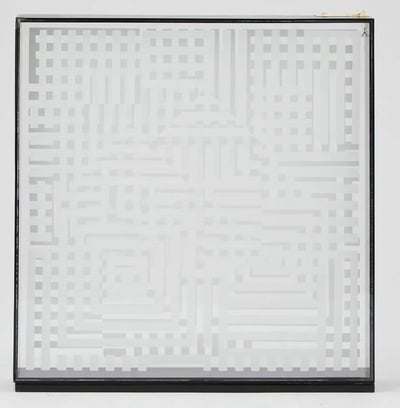
Victor Vasarely
Omega 25 Blanc, 1965
Sculpture / Object
Mixed Media
Inquire For Price
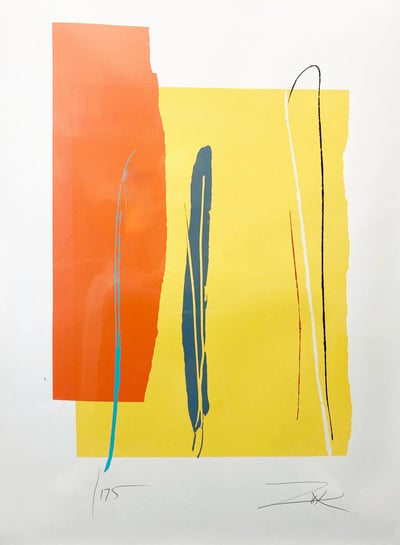
Larry Zox
Untitled 3 from Niagara Series, 1980
Limited Edition Print
Linocut
USD 850

David Hockney
Slightly damaged chair, Malibu, 1973
Limited Edition Print
Lithograph
Currently Not Available

Robert Rauschenberg
People Have Enough Trouble Without Being Intimidated by an Artichoke, 1979
Limited Edition Print
Collage
Inquire For Price

Alexander Calder
Tree, 1972
Limited Edition Print
Lithograph
EUR 3,985
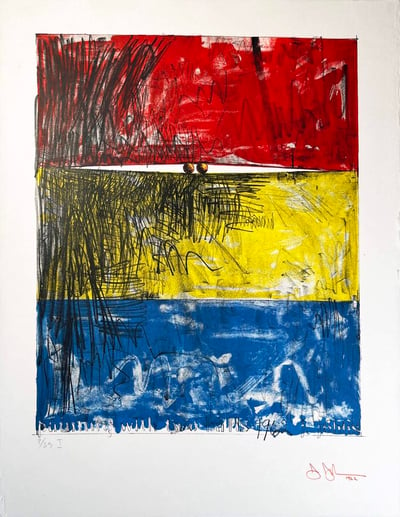
Jasper Johns
Painting with Two Balls I, 1962
Limited Edition Print
Lithograph
USD 31,500
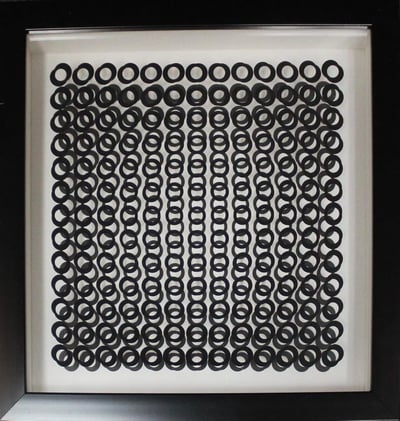
Victor Vasarely
Profound Works 7, 1973
Limited Edition Print
Serigraph
USD 500

Roberto Matta
Untitled XXI (from Come Detta Dentro Vo Significando), 1962
Limited Edition Print
Lithograph
Inquire For Price
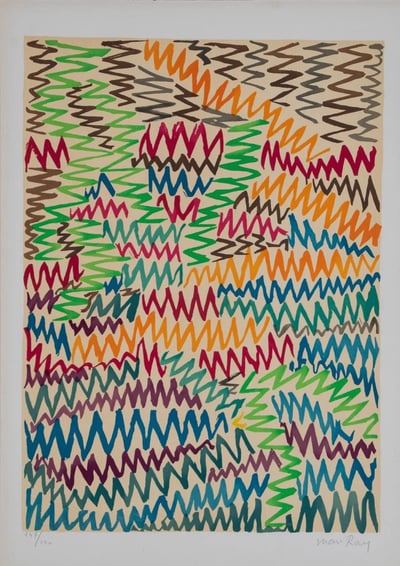
Man Ray
Untitled (from On the Origin of Species by Irrational Selection), 1971
Limited Edition Print
Lithograph
USD 1,250

Claes Oldenburg
Proposal For A Civic Monument In The Form Of Two Windows, 1982
Limited Edition Print
Lithograph
USD 1,450

Joan Miró
Le Lezard aux Plumes d'Ord 3, 1971
Limited Edition Print
Lithograph
Inquire For Price

Andy Warhol
Cars Mercedes 300 SL Gulwing, 2007
Limited Edition Print
Silkscreen
EUR 4,250
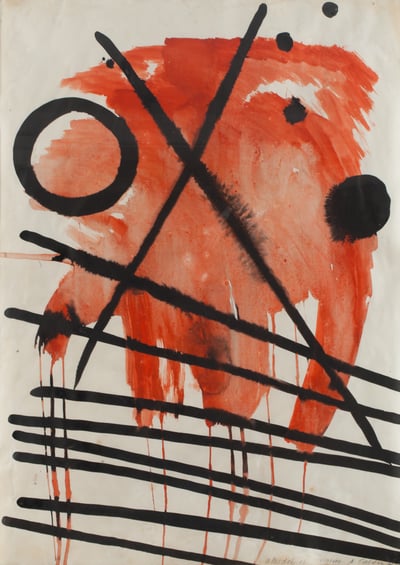
Alexander Calder
Untitled, 1961
Drawing / Watercolor
Mixed Media
Inquire For Price

Joan Miró
I Work Like a Gardener, 1964
Limited Edition Print
Lithograph
EUR 13,800

Andy Warhol
Hot Dog Bean (from Campbell's Soup II), 1969
Limited Edition Print
Screen-print
Inquire For Price
Related Articles


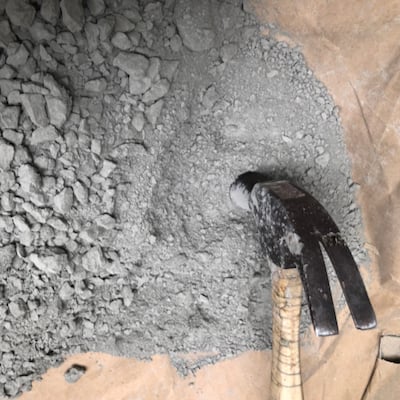
Cement refers to a variety of mixtures, typically made from clay, limestone, water, sand, and gravel, which form concrete used in construction. The term to cement also means to join or unite materials. In art, cement can refer to the process of securely gluing or bonding elements together, often used in sculptural work or mixed media.
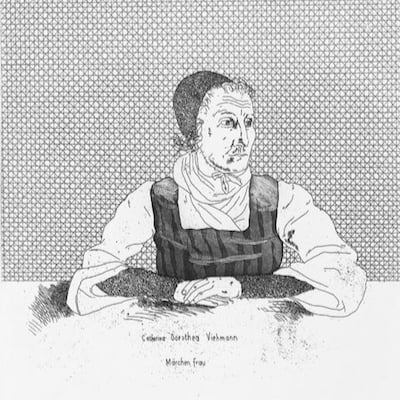
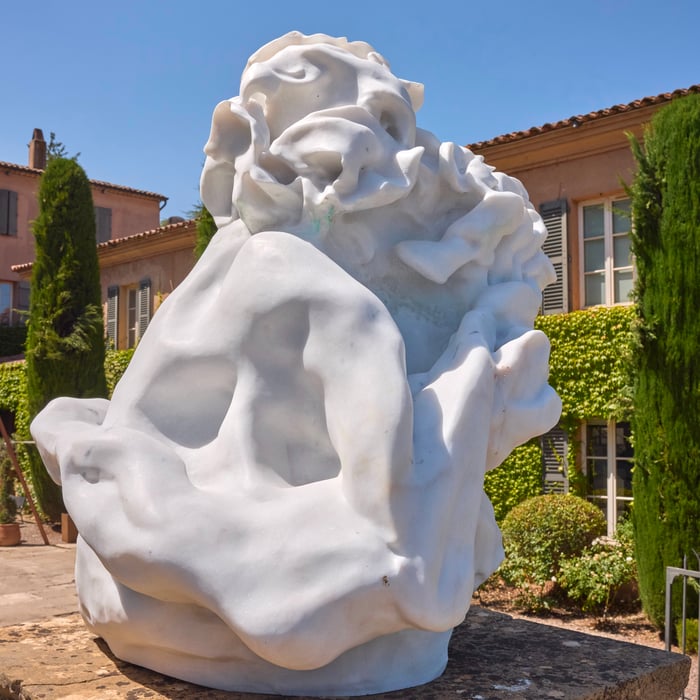
Modern Realism is an art style that depicts subjects as they exist in reality. Emerging after the development of abstract art, Modern Realism combines traditional realistic representation with modern techniques and approaches. Artists in this style focus on painting or drawing everyday life, portraying realistic subjects with a contemporary perspective.

Meaning School of Things, Mono-ha originated in Tokyo in the mid-1960s. Instead of creating traditional artwork, the artists of Mono-ha used different materials and their natural properties to express dismay at the industrialization taking place in Japan at the time. The movement gained international attention and is now a widely respected form of art, known for its emphasis on the relationship between materials and their environment.
Can't find your Answer?
Thank you! Your question has been sent — we'll get back to you shortly.
