

What is late modernism?
- Show All
- Established
- Discoveries
- Show All
Artworks Related to Late modernism

Robert Rauschenberg
Publicon Station I, 1978
Sculpture / Object
Mixed Media
USD 30,000 - 45,000

Andy Warhol
S & H Green Stamps, 1965
Limited Edition Print
Offset Print
USD 11,400

Joan Miró
Preparatifs d’Oiseaux, 1963
Limited Edition Print
Etching and Aquatint
USD 4,060

Roberto Matta
Centre noeuds, 1974
Limited Edition Print
Etching and Aquatint
USD 6,250
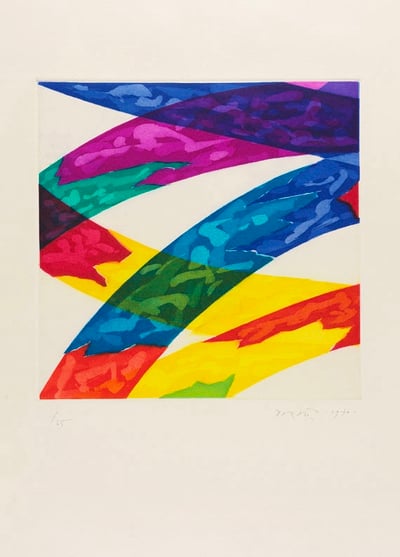
Piero Dorazio
Untitled (Chromatic Ribbons), 1971
Limited Edition Print
Etching
EUR 990

Gunther Uecker
Graphein VII, Reise Kadmos, 2002
Limited Edition Print
Embossing
EUR 12,000

Gunther Uecker
Graphein VIII, Christen Ägypten, 2002
Limited Edition Print
Embossing
EUR 12,000

Gunther Uecker
Sarajewo 6, 2005
Limited Edition Print
Screen-print
EUR 1,280
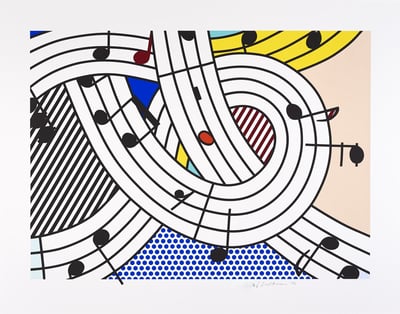
Roy Lichtenstein
Composition II, 1996
Limited Edition Print
Screen-print
USD 80,000 - 90,000

Andy Warhol
Tomato Soup, II.46 from Campbell's Soup I, 1968
Limited Edition Print
Screen-print
USD 150,000 - 170,000

Gunther Uecker
Ouroboros 05, 2018
Limited Edition Print
Mixed Media
EUR 10,000

Roberto Matta
Le Conmer, 1976
Limited Edition Print
Etching
USD 2,650
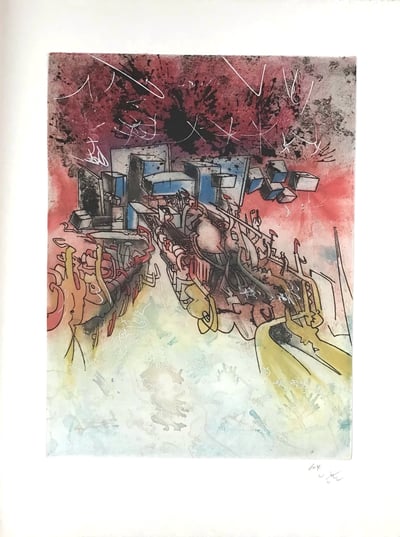
Roberto Matta
Le Palais d’hiver, 1976
Limited Edition Print
Etching
USD 2,650
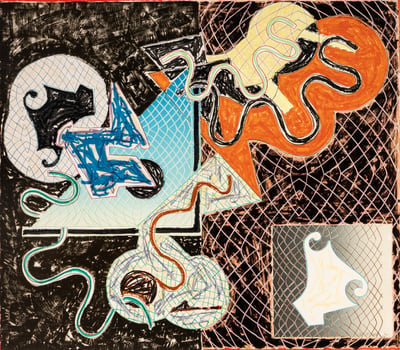
Frank Stella
Shards Variant IVa, 1982
Limited Edition Print
Mixed Media
Inquire For Price

Antonio Saura
Dama en tecnicolor II, 1970
Limited Edition Print
Serigraph
EUR 2,125

Andy Warhol
$ (9), II.285, 1982
Limited Edition Print
Screen-print
USD 200,000 - 250,000
Related Articles


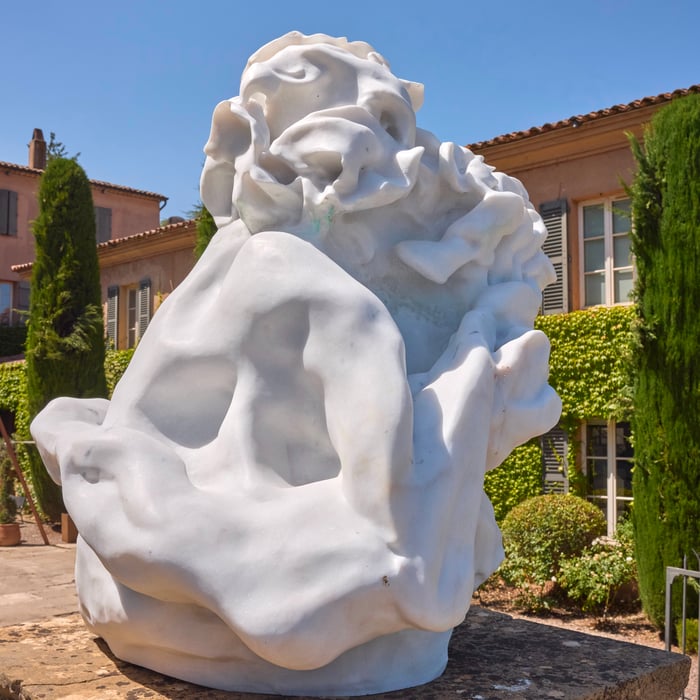
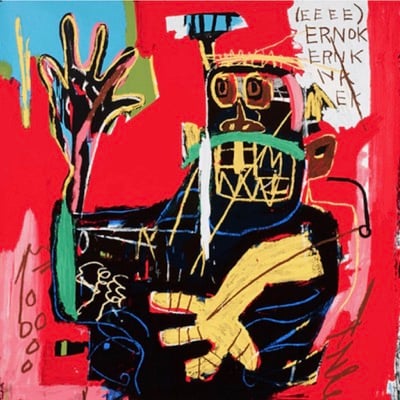
In 1981, Patti Astor opened the first art gallery in New York City's East Village, helping to launch the careers of various artists and musicians. The gallery started small but quickly gained popularity, contributing to the emergence of art movements such as Neo-Expressionism and Street Art in the area. The East Village became a hub for these new artistic expressions. However, the gallery closed in 1985 due to waning interest.

Tapestry is a woven form of textile. It is generally heavy, and the completed work has a decorative pattern, design or realistic depiction of a portrait or real life activities. Tapestries were hung on castle walls and behind thrones as symbols of royal authority.
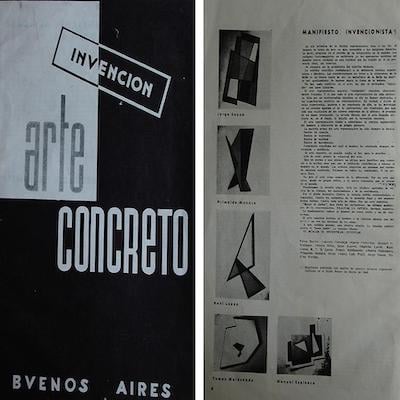
The Manifesto Invencionista was published in 1946, marking the beginning of the concrete art movement in Buenos Aires, Argentina. Written by artist Tomás Maldonado and published by the Asociación Arte Concreto-Invención, the manifesto announced the principles of Concrete Art. Concrete art is purely abstract, with no reference to visual reality, emphasizing geometric forms and the materiality of the artwork itself.
Can't find your Answer?
Thank you! Your question has been sent — we'll get back to you shortly.
