

What is late modernism?
- Show All
- Established
- Discoveries
- Show All
Artworks Related to Late modernism

Robert Longo
Black Flag, 1999
Limited Edition Print
Relief printing
EUR 8,000 - 15,000
Robert Longo
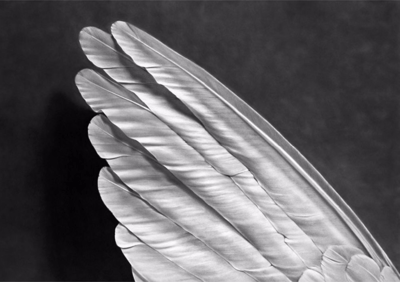
Angel's Wing (Small Version), 2013
Limited Edition Print
Pigment print
EUR 9,000 - 12,000

Robert Longo
Rosette Nebula, 2014
Limited Edition Print
Pigment print
EUR 18,000 - 23,000

Robert Longo
Cadillac, 2012
Limited Edition Print
Pigment print
EUR 20,000 - 25,000

Robert Longo
Fairmount Forest, 2014
Limited Edition Print
Pigment print
EUR 16,000
Robert Longo
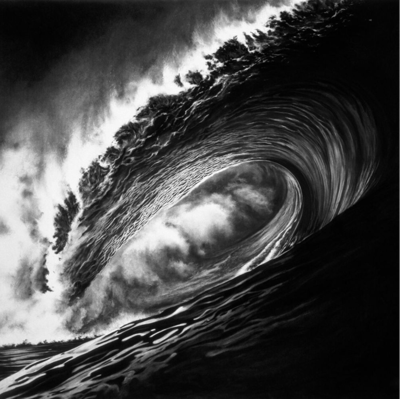
Hell's Gate, 2005
Limited Edition Print
Pigment print
EUR 20,000 - 30,000
Robert Longo
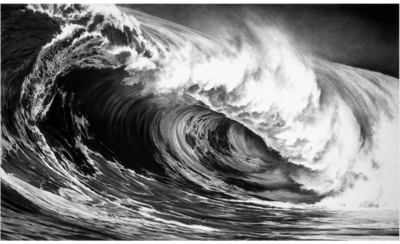
Godzilla, 2005
Limited Edition Print
Pigment print
EUR 28,000

Joan Miró
One plate, Homenatge à Joan Prats, 1975
Limited Edition Print
Lithograph
USD 4,250

Joan Miró
Sobreteixims I Escultures, 1972
Limited Edition Print
Lithograph
Currently Not Available

Howard Hodgkin
David's Pool at Night, 1979-85
Limited Edition Print
Etching and Aquatint
Inquire For Price

Alexander Calder
Save Our Planet, Save Our Wildlife, 1971
Limited Edition Print
Offset Print
USD 3,000

Andy Warhol
Daily News - LBJ to Kremlin – Y'all Come, 1967
Limited Edition Print
Silkscreen
USD 20,000

Donald Judd
A Group of 4 Aquatints 1, 1978-79
Limited Edition Print
Aquatint
Currently Not Available

David Hockney
The Blue Guitar: title page, 1976-77
Limited Edition Print
Etching and Aquatint
USD 3,125

Georg Baselitz
Hirsche (set of 4), 2022
Limited Edition Print
Etching and Aquatint
Make Your Offer
Man Ray
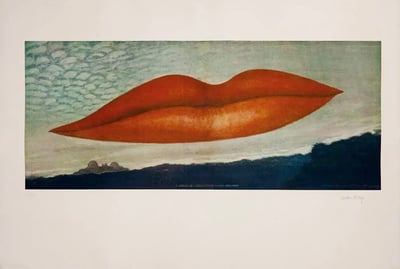
À l’heure de l’observatoire – Les amoureux, 1970
Limited Edition Print
Lithograph
EUR 38,500
Related Articles


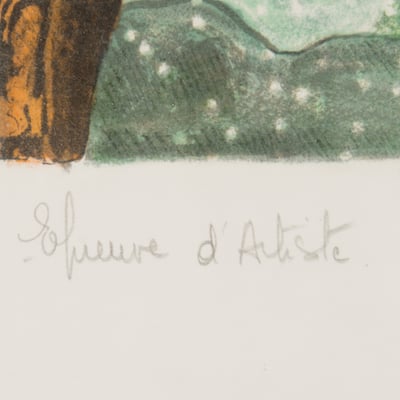
Épreuve d'Artist refers to the artist's proofs in a limited edition of prints. These are a small number of prints reserved by the artist for personal use and are typically marked with the abbreviation E.A. (épreuve d'artist) or AP (artist's proof). Artist’s proofs are usually identical to the regular edition but are often considered more valuable due to their limited quantity.
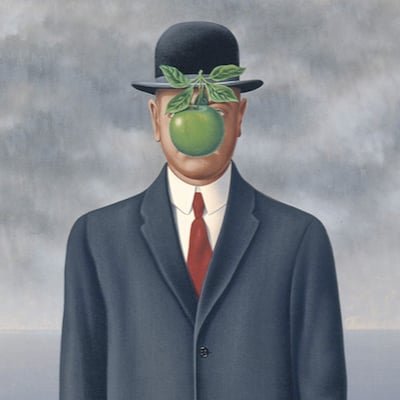
Surrealism began in the 1920s as an art and literary movement with the goal of revealing the unconscious mind and unleashing the imagination by exploring unusual and dream-like imagery. Influenced by Sigmund Freud’s theories of psychoanalysis, Surrealist artists and writers sought to bring the unconscious into rational life, blurring the lines between reality and dreams. The movement aimed to challenge conventional perceptions and express the irrational aspects of the human experience.

Hyperrealism is a genre of sculpture and painting that closely resembles high-resolution photographs. It is an evolution of Photorealism and is often applied to an independent art style or movement that became prominent in Europe and the United States in the early 2000s. Hyperrealist artists focus on extreme detail and precision, creating works that are often indistinguishable from real-life images.
Can't find your Answer?
Thank you! Your question has been sent — we'll get back to you shortly.
