

What is late modernism?
- Show All
- Established
- Discoveries
- Show All
Artworks Related to Late modernism
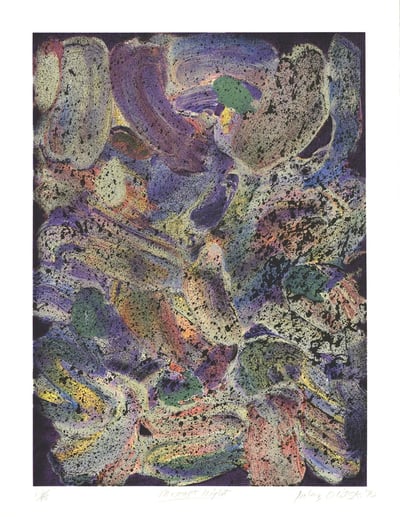
Jules Olitski
Mozart Night, 1992
Limited Edition Print
Silkscreen
USD 3,960

Jasper Johns
The Season, 1990
Limited Edition Print
Etching
USD 14,000 - 17,000
Howard Hodgkin
Tropical Fruit, 1981
Limited Edition Print
Serigraph
USD 5,000 - 7,000

Red Grooms
Van Gogh with Sunflowers, 1988
Limited Edition Print
Lithograph
USD 5,000 - 7,000

Andy Warhol
Dollar Sign, 1982
Limited Edition Print
Screen-print
Inquire For Price
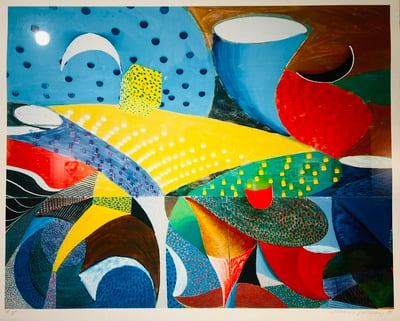
David Hockney
Snails Space, March 25th, 1995
Limited Edition Print
Digital Print on paper
EUR 40,000

Andy Warhol
Wild Raspberries IV 140A (Gardoons A La Mousseline), 1959
Limited Edition Print
Offset Print
EUR 6,600

Andy Warhol
Wild Raspberries IV 137A (Baked Hawaii), 1959
Limited Edition Print
Offset Print
EUR 6,600

Andy Warhol
Queen Ntombi Twala of Swaziland, 1985
Limited Edition Print
Screen-print
EUR 23,500

Andy Warhol
Neuschwanstein (Poster), 1987
Limited Edition Print
Serigraph
EUR 4,800

Andy Warhol
Vegetarian Vegetable, II.56 from Campbell's Soup II, 1969
Limited Edition Print
Screen-print
USD 70,000 - 80,000
Andy Warhol
Private Listing
Limited Edition Print

Robert Longo
Wall of Ice, 2017
Limited Edition Print
Pigment print
EUR 7,500

Robert Longo
White Snow Trees of the Black Forest, 2020
Limited Edition Print
Pigment print
EUR 7,500
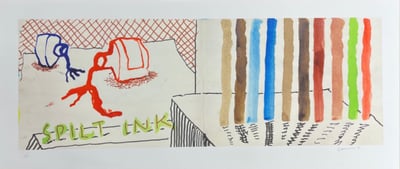
David Hockney
Spilt Ink with Tests, 2021
Limited Edition Print
Inkjet print
EUR 28,000
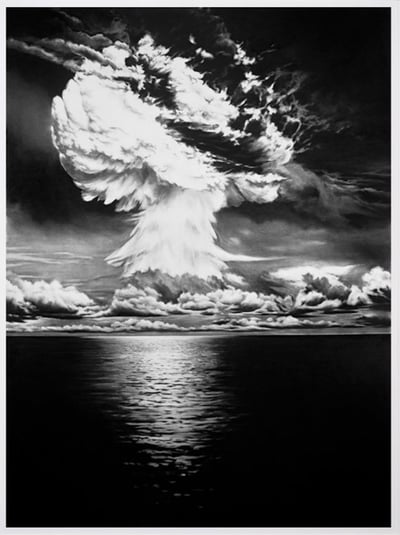
Robert Longo
Ivy Mike, 2010
Limited Edition Print
Pigment print
EUR 12,000
Related Articles


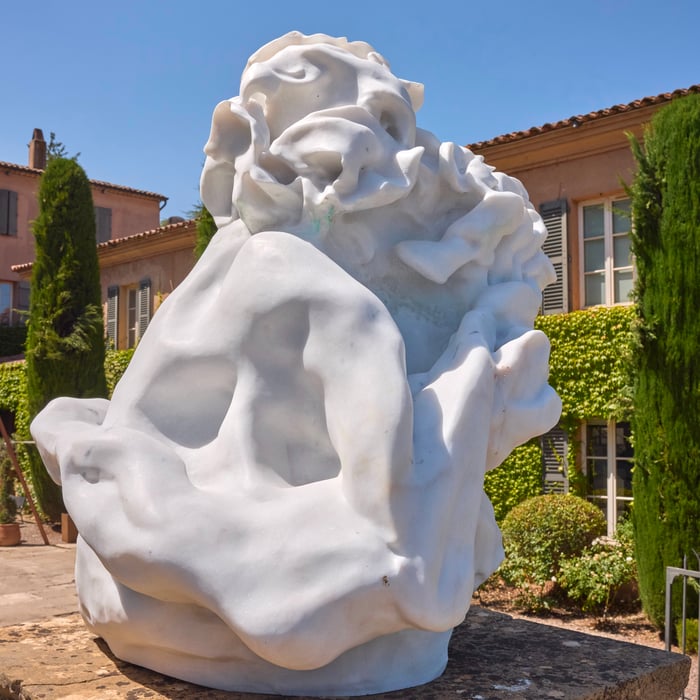

Composition refers to the arrangement of elements within an artwork. The artist carefully organizes these elements to create a harmonious or intentionally dynamic relationship. Traditional approaches to composition often follow classical, geometric principles, while contemporary movements may experiment with new arrangements and adjustments, breaking away from conventional rules to achieve different visual effects.
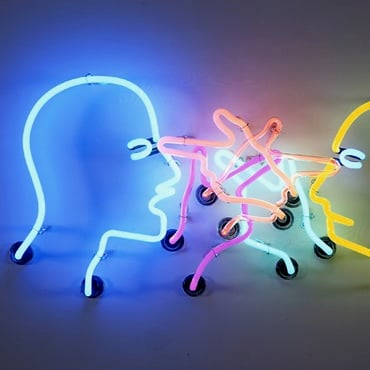
Process Art is an artistic movement and creative approach where the focus is on the act of creation rather than the final product. The term process in this context refers to the various stages of art-making, including gathering, sorting, associating, and organizing materials and actions. This movement emphasizes the artistic journey and the human expression involved in creating art, rather than the finished piece itself. Process Art is driven by inherent motivation, intentionality, and the rationale behind the actions, viewing the creative process as the true artwork.

Massurrealism is a portmanteau word coined by American artist James Seehafer in 1992. He observed a trend among postmodern artists who blended themes and aesthetic styles with mass media, including elements of pop art. Massurrealism is a development of surrealism that emphasizes the technological effects on the imagery of contemporary surrealism. The key difference between massurrealism and surrealism is that the latter was founded in Europe at the beginning of the 20th century, while massurrealism is rooted in the influence of modern technology and media.
Can't find your Answer?
Thank you! Your question has been sent — we'll get back to you shortly.
