
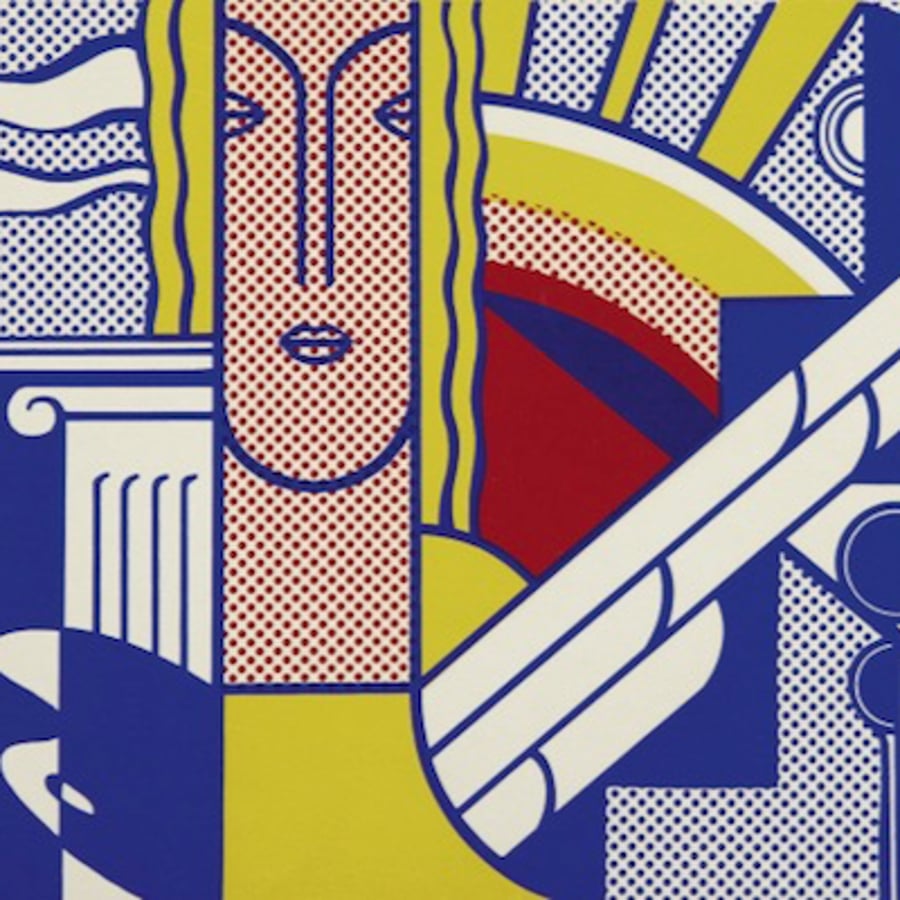
What is late modernism?
- Show All
- Established
- Discoveries
- Show All
Artworks Related to Late modernism
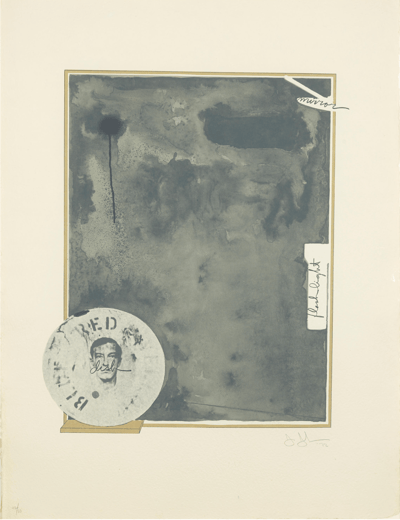
Jasper Johns
Souvenir I, 1972
Limited Edition Print
Lithograph
Inquire For Price

Jasper Johns
Zone, 1972
Limited Edition Print
Lithograph
Inquire For Price

Joan Miró
Untitled 3 from Maravillas con variaciones acrósticas , 1975
Limited Edition Print
Lithograph
USD 5,690

Albert Ràfols-Casamada
Estructures 2, 2006
Limited Edition Print
Lithograph
EUR 450

Albert Ràfols-Casamada
Fruites d'estiu, 2016
Limited Edition Print
Etching and Aquatint
EUR 950
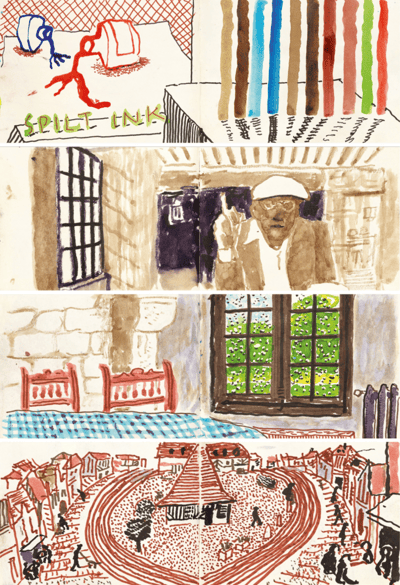
David Hockney
220 for 2020 (Complete Set), 2020
Limited Edition Print
Archival Print
USD 100,000 - 130,000
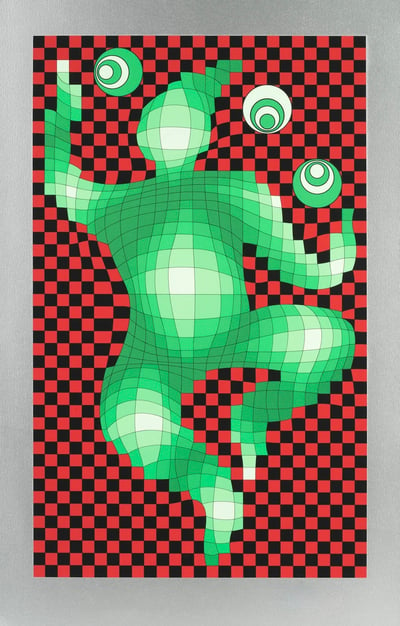
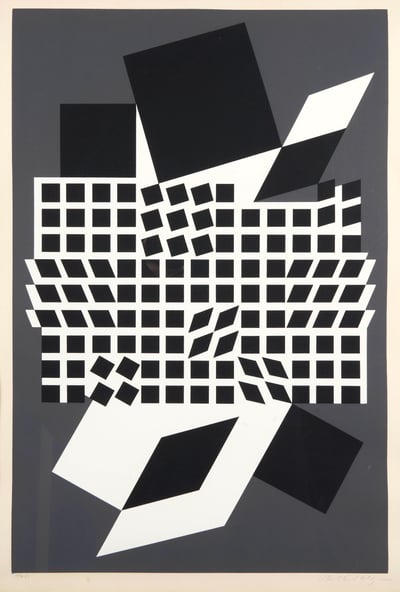
Victor Vasarely
The Juggler, 1977
Limited Edition Print
Serigraph
USD 1,150
Victor Vasarely
OETA, 1959
Limited Edition Print
Screen-print
USD 1,000
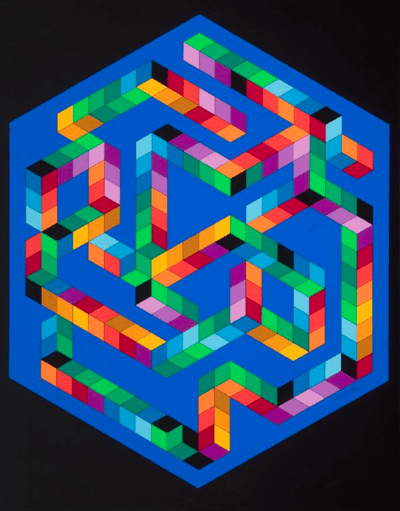
Victor Vasarely
Babel 3, 1978
Limited Edition Print
Screen-print
USD 950

Victor Vasarely
Silver Composition, 1980
Limited Edition Print
Screen-print
Currently Not Available

Victor Vasarely
Viva, 1974
Limited Edition Print
Screen-print
USD 1,100

Victor Vasarely
Kraft und Natur I, 1972
Limited Edition Print
Screen-print
Currently Not Available

Frank Stella
Honduras Lottery Co., 1972
Limited Edition Print
Lithograph
Currently Not Available

Claes Oldenburg
London Knees, 1966
Sculpture / Object
Mixed Media
Currently Not Available
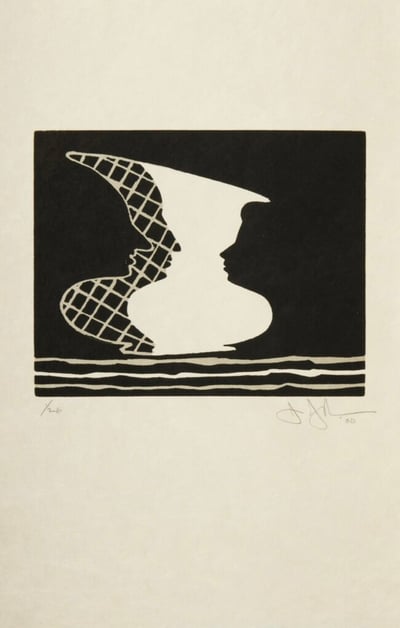
Jasper Johns
Sun on Six, 2000
Limited Edition Print
Linocut
Inquire For Price

Jasper Johns
Hinged Canvas, 1971
Limited Edition Print
Lithograph
USD 5,000
Related Articles


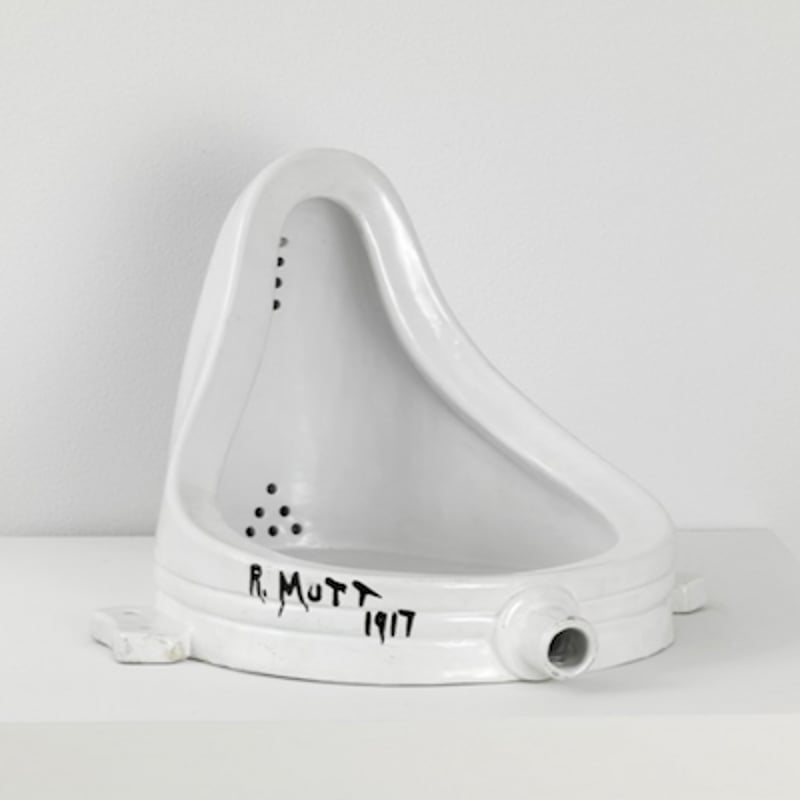
Anti-Art refers to artwork that challenges traditional definitions of art. The term is often attributed to artist Marcel Duchamp, who pioneered the use of readymades—everyday objects presented as art. These works defied conventional expectations that art should adhere to traditional or high art standards.
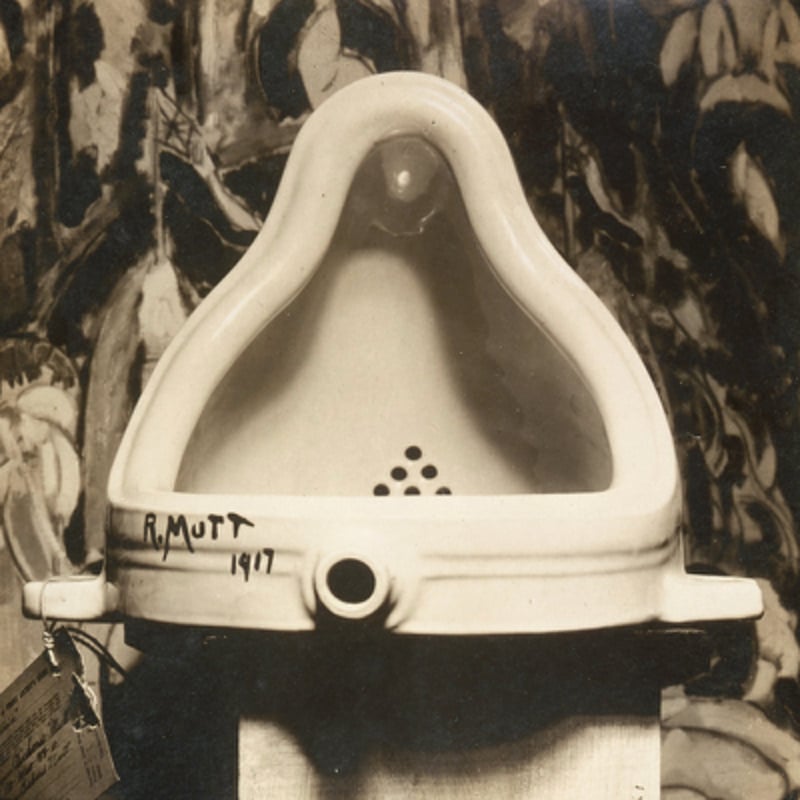
Found objects (or objet trouvé in French) are everyday items that an artist finds and incorporates into a work of art. While collectors have displayed aesthetically pleasing objects for centuries, modern art often uses objects that originally had non-artistic functions, such as recycled or repurposed materials.
Bricolage is the creation or construction of a piece of art using materials that are readily available to the artist. The term is French and roughly translates to do-it-yourself. This approach became popular when materials were scarce, encouraging artists to improvise and repurpose everyday objects. Bricolage emphasizes creativity and resourcefulness, often resulting in artworks that reflect the unique character of the materials used.
Can't find your Answer?
Thank you! Your question has been sent — we'll get back to you shortly.
