
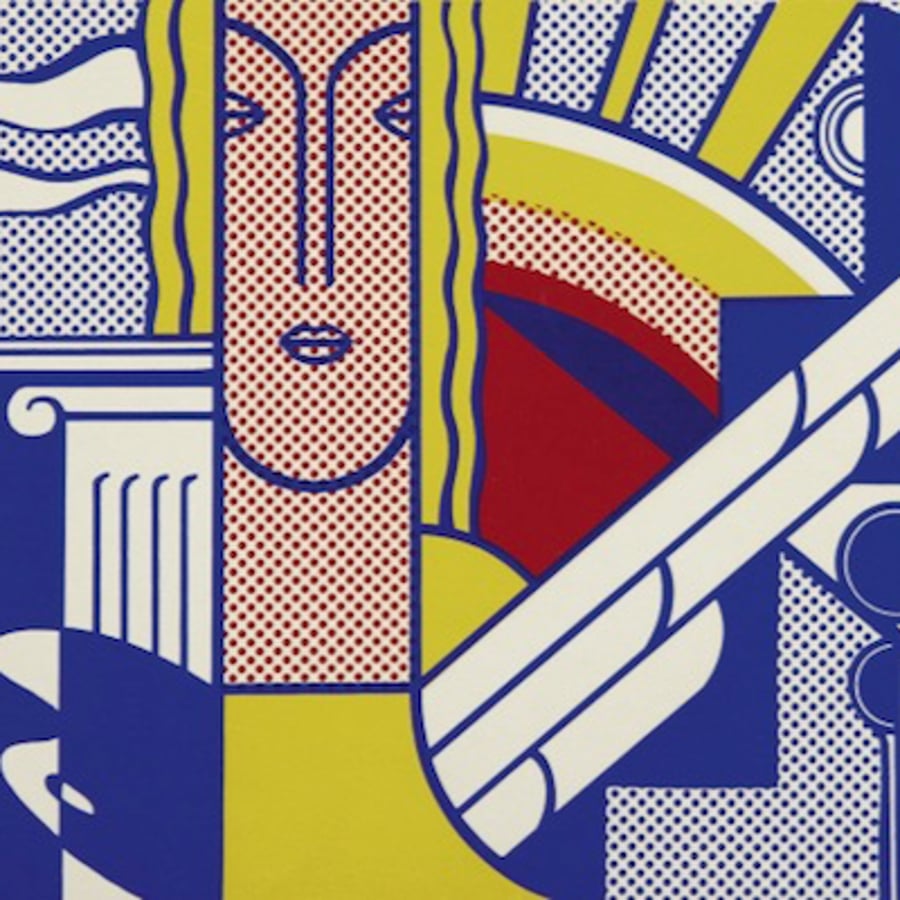
What is late modernism?
- Show All
- Established
- Discoveries
- Show All
Artworks Related to Late modernism
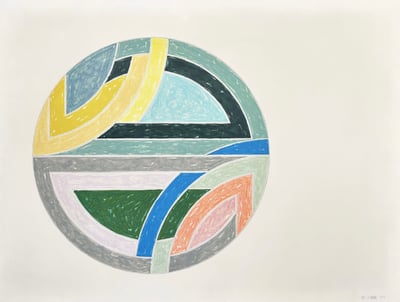
Frank Stella
Sinjerli Variation IIa, 1977
Limited Edition Print
Mixed Media
USD 18,500
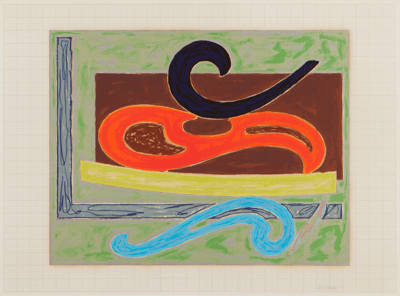
Frank Stella
Eskimo Curlew, 1977
Limited Edition Print
Mixed Media
USD 12,500
Andy Warhol
Mao (Unique), 1973
Limited Edition Print
Mixed Media
Inquire For Price
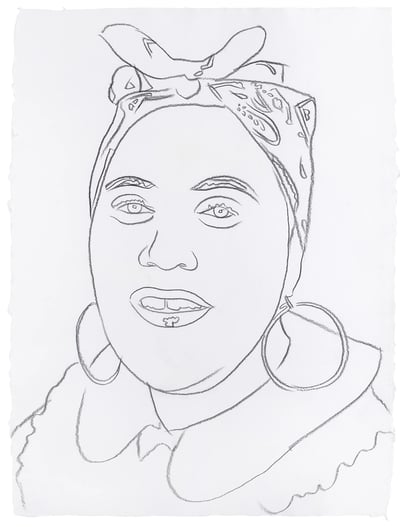
Andy Warhol
Mammy (drawing), 1981
Drawing / Watercolor
Graphite
USD 37,800

Zao Wou-Ki
Composition, 1967
Limited Edition Print
Etching
EUR 3,750

Victor Vasarely
Composition
Limited Edition Print
Lithograph
EUR 1,350

Henry Moore
Album internacional, 1973
Limited Edition Print
Lithograph
EUR 1,150
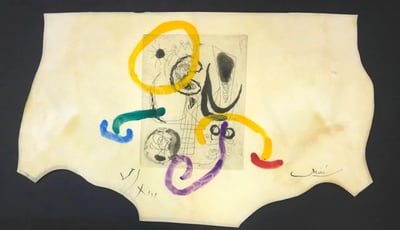
Joan Miró
Series III, 1952
Limited Edition Print
Etching
EUR 25,900

Joan Miró
Préparatifs d'oiseaux IV, 1963
Limited Edition Print
Aquatint
EUR 7,790
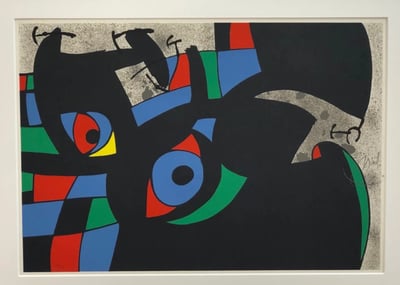
Joan Miró
El lagarto de las plumas de oro, 1971
Limited Edition Print
Lithograph
EUR 7,200
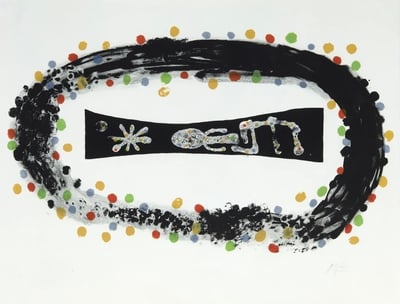
Joan Miró
Nebuleuse, 1958
Limited Edition Print
Lithograph
EUR 5,625

Joan Miró
Le Courtisan Grotesque VI, 1974
Limited Edition Print
Etching and Aquatint
EUR 3,125
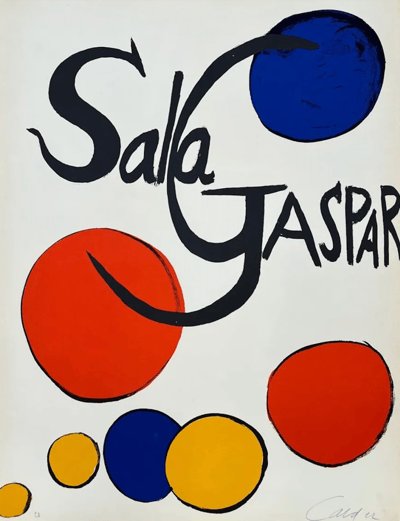
Alexander Calder
Sala Gaspar, 1973
Limited Edition Print
Lithograph
EUR 1,350
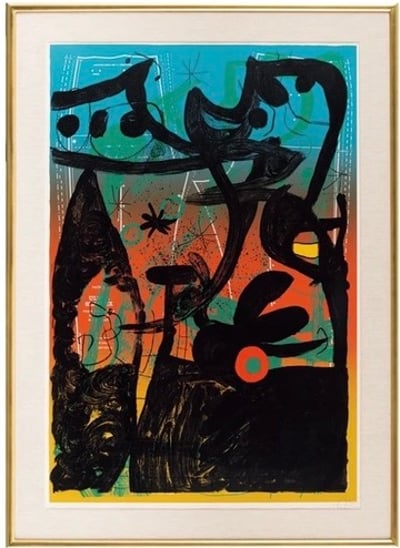
Joan Miró
Mannequin Parade in Bahia, 1969
Limited Edition Print
Lithograph
USD 40,500
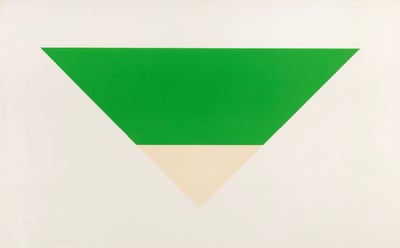
Ellsworth Kelly
Green/White, 1971
Limited Edition Print
Lithograph
Currently Not Available

Joan Miró
Terres de Grand Feu, 1956
Limited Edition Print
Lithograph
USD 4,500
Related Articles



Giclée printing is a digital technique for reproducing artwork using a high-resolution digital file and an inkjet printer with archival-quality inks. This process produces prints with exceptional color accuracy and detail, closely matching the original artwork.

A plate is a broad, primarily flat vessel used for serving food, but it can also serve ceremonial or decorative purposes. Plates are typically circular, though they can be any shape and made from various water-resistant materials. Most plates have raised edges, either by curving upward or featuring a wider lip. Vessels without a raised edge or with a more rounded profile are often considered bowls or dishes, while very large, plate-shaped vessels might also be classified as dishes.
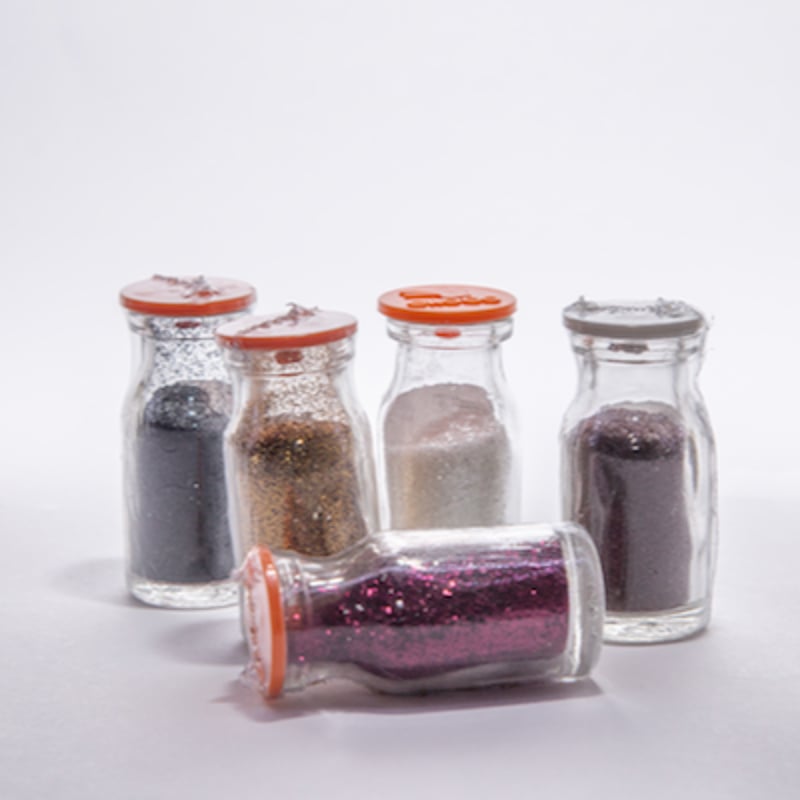
Carborundum is the trademark name for silicon carbide crystals, an abrasive material commonly used in sandpaper, cutting tools, and grinding wheels. Originally, artists used carborundum for grinding lithography stones. In collagraph printmaking, it is applied to plates to create texture and tone gradients, adding depth and contrast to the prints.
Can't find your Answer?
Thank you! Your question has been sent — we'll get back to you shortly.
