
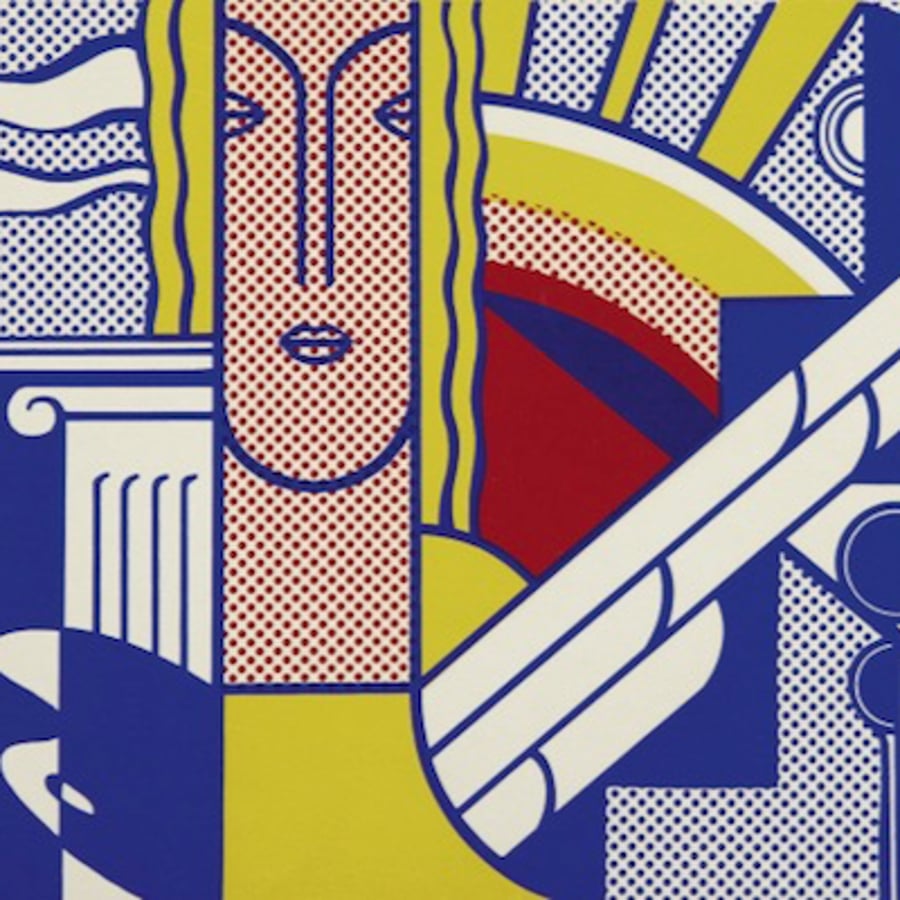
What is late modernism?
- Show All
- Established
- Discoveries
- Show All
Artworks Related to Late modernism
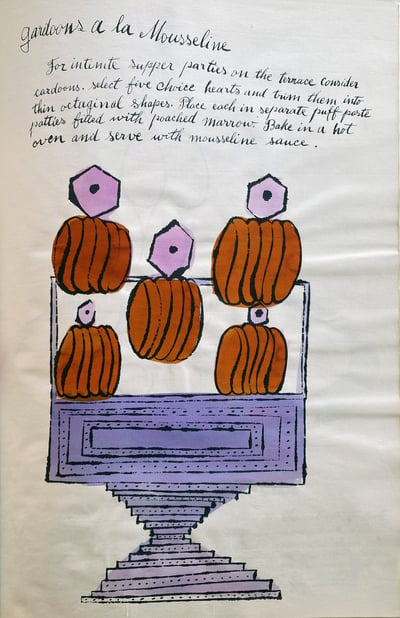
Andy Warhol
Wild Raspberries IV.140A, 1959
Limited Edition Print
Offset Print
USD 8,350
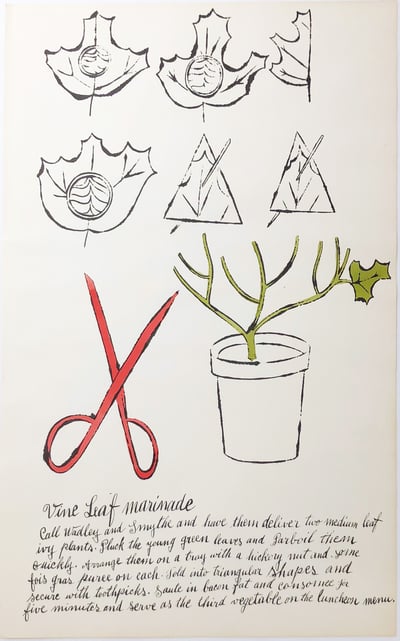
Andy Warhol
Wild Raspberries IV.141A, 1959
Limited Edition Print
Offset Print
USD 4,850
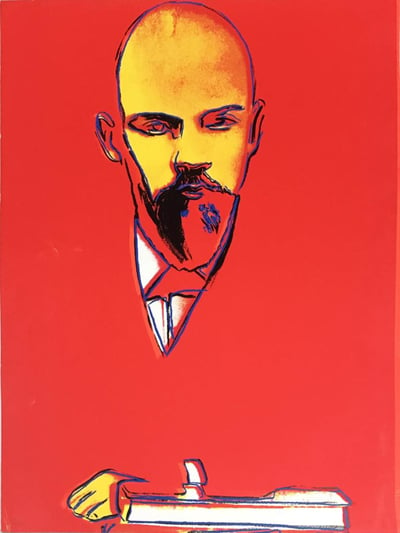
Andy Warhol
Lenin (Red) II.403, 1987
Limited Edition Print
Screen-print
USD 50,000 - 60,000

Andy Warhol
Wild Raspberries IV.134A, 1959
Limited Edition Print
Offset Print
USD 50,000 - 60,000
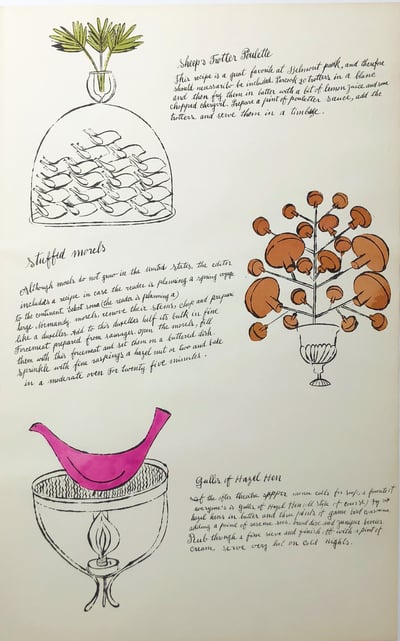
Andy Warhol
Wild Raspberries IV.142A, 1959
Limited Edition Print
Offset Print
USD 8,900
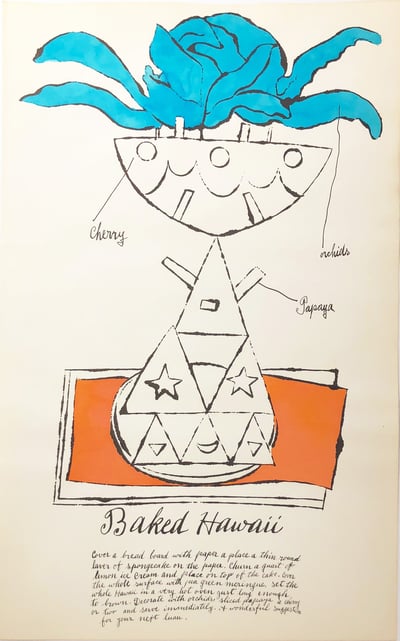
Andy Warhol
Wild Raspberries IV.137A, 1959
Limited Edition Print
Offset Print
USD 8,900

Victor Vasarely
Album Meta: Seven Plates 7, 1976
Limited Edition Print
Screen-print
USD 3,700
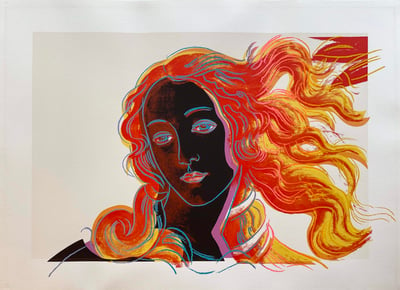
Andy Warhol
Details of Renaissance Paintings (Sandro Botticelli, Birth of Venus, 1482), II.318, 1984
Limited Edition Print
Screen-print
Inquire For Price
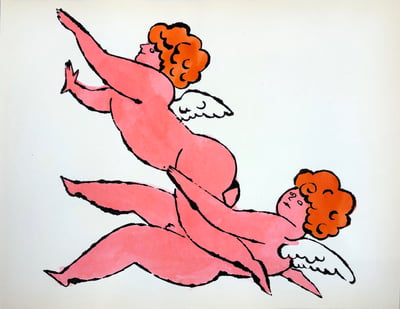
Andy Warhol
In The Bottom of my Garden IV.90A, CA. 1956
Limited Edition Print
Lithograph
Inquire For Price

Victor Vasarely
Album Meta: Seven Plates 5, 1976
Limited Edition Print
Screen-print
USD 3,700
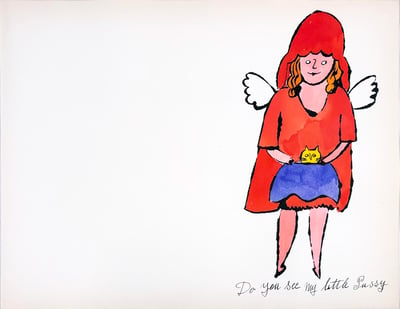
Andy Warhol
In The Bottom of my Garden IV.104A, CA. 1956
Limited Edition Print
Lithograph
USD 4,800

Victor Vasarely
Album Meta: Seven Plates 2, 1976
Limited Edition Print
Screen-print
USD 3,700
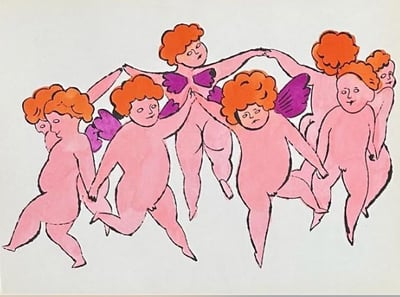
Andy Warhol
In The Bottom of my Garden IV.97A, CA.1956
Limited Edition Print
Lithograph
Inquire For Price
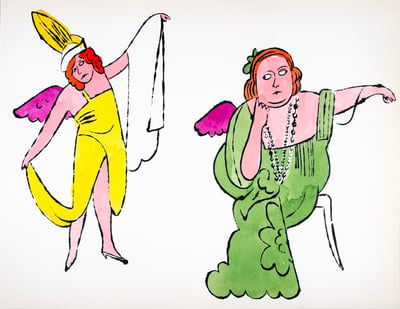
Andy Warhol
In The Bottom of my Garden IV.99A, CA. 1956
Limited Edition Print
Lithograph
Inquire For Price
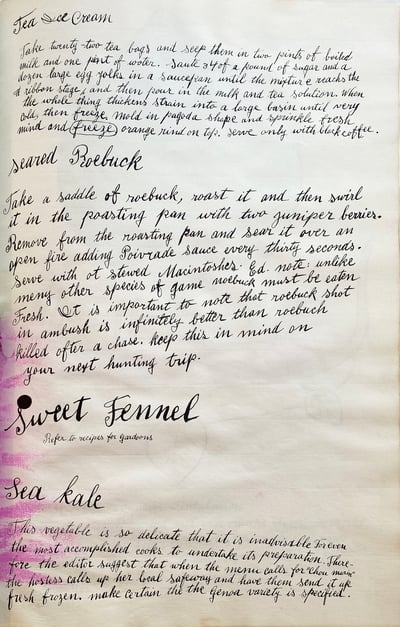
Andy Warhol
Wild Raspberries IV.135A, 1959
Limited Edition Print
Offset Print
Inquire For Price
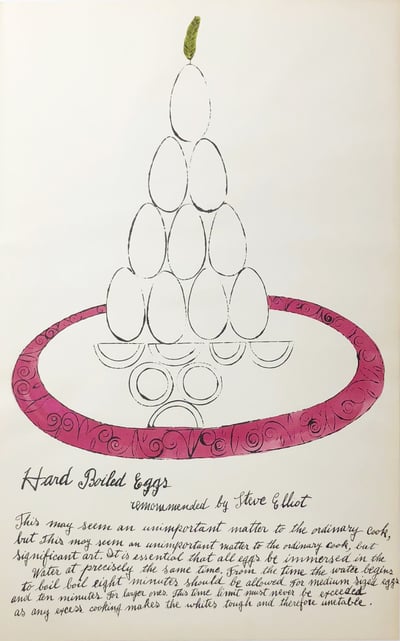
Andy Warhol
Wild Raspberries IV.138A, 1959
Limited Edition Print
Offset Print
USD 4,850
Related Articles


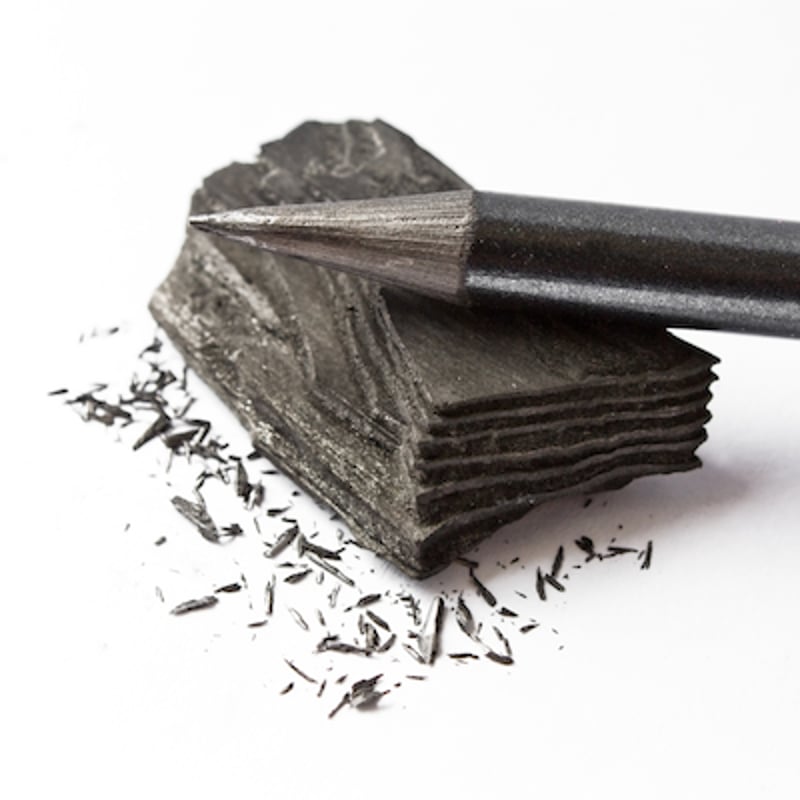
Graphite is a form of carbon commonly used as the core material in pencils. It can be compressed to various levels of hardness, allowing for different shading effects in drawing. In powdered form, graphite can be applied with a brush for broader, softer applications. Graphite erases easily and was first discovered in the 1500s in England's Lake District.
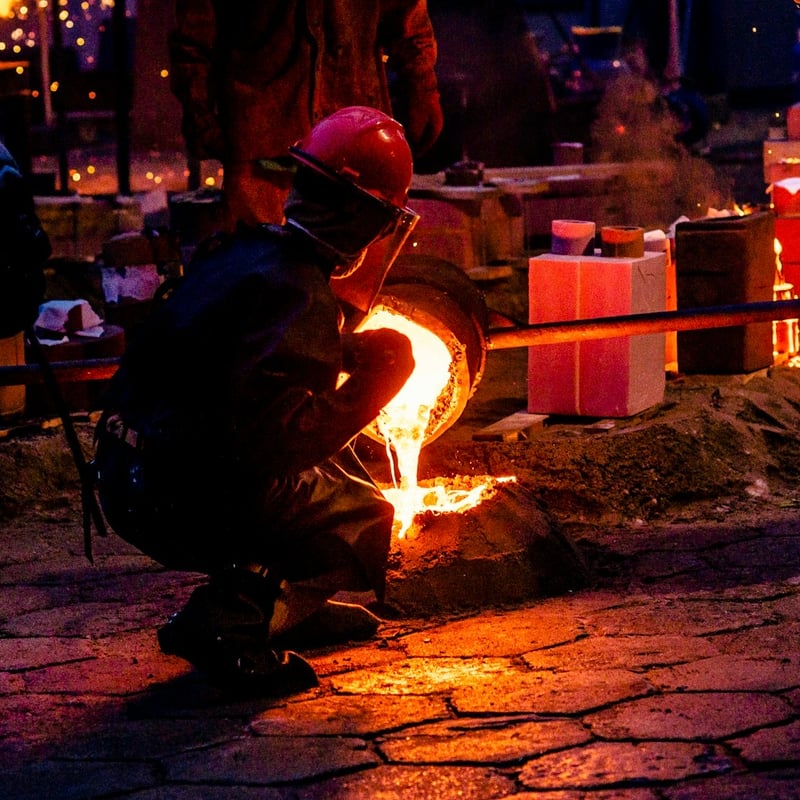
A foundry is a place where metal is melted and shaped to create sculptures. Artists bring their completed wax sculptures to the foundry, where molds are made in the same shape. The foundry then uses these molds to cast the sculpture in metal, often resulting in a finished metal artwork.
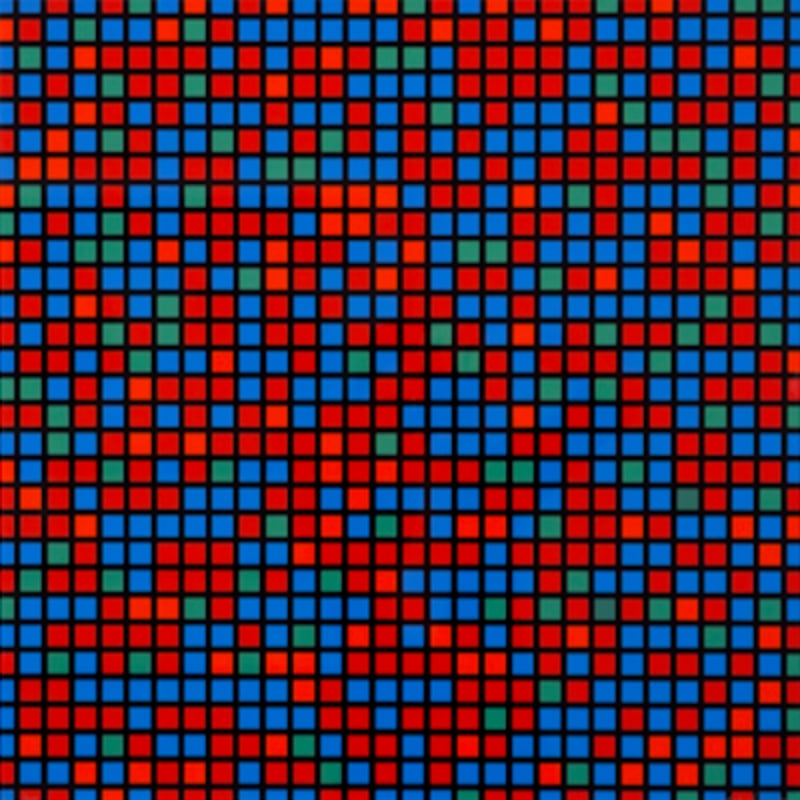
Geometric abstraction is a form of abstract art that uses geometric shapes arranged in a non-illusionistic space (though not always) and combined into non-representational (non-objective) compositions. Based on years of artistic research, some artists have proposed that geometric abstraction offers a solution to modern challenges by rejecting traditional illusionistic practices in favor of clarity and simplicity.
Can't find your Answer?
Thank you! Your question has been sent — we'll get back to you shortly.
