

What is late modernism?
- Show All
- Established
- Discoveries
- Show All
Artworks Related to Late modernism

Joan Miró
Plate IV from Espriu, 1975
Limited Edition Print
Etching
EUR 19,500

Michelangelo Pistoletto
Amare, 2006
Limited Edition Print
Mixed Media
Currently Not Available

Andy Warhol
Mick Jagger #140, 1975
Limited Edition Print
Screen-print
Currently Not Available

Andy Warhol
Electric Chair (Retrospective Series), 1978
Limited Edition Print
Screen-print
USD 45,000 - 55,000

Robert Mangold
Multiple Panel Paintings, suite, 1992
Limited Edition Print
Screen-print
USD 13,200
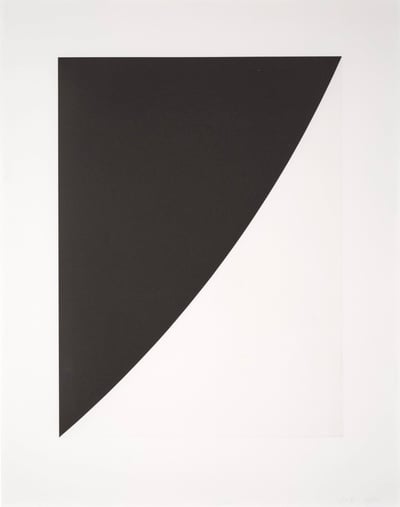
Ellsworth Kelly
Black Variation I, 1973-75
Limited Edition Print
Lithograph
USD 22,000 - 27,000

Joan Miró
Le Lézard aux plumes d'or (book), 1971
Limited Edition Print
Lithograph
EUR 28,000 - 35,000

Robert Rauschenberg
Untitled (Native American with Truck), 2000
Limited Edition Print
Pigment print
EUR 2,850
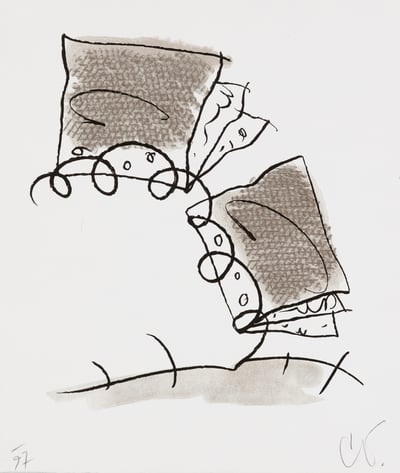
Claes Oldenburg
Notebook Torn in Half , 1997
Limited Edition Print
Lithograph
USD 1,100

Claes Oldenburg
Sketch for a Sculpture in the Form of a Dress Collar and Tie, with Stud, 1994
Limited Edition Print
Lithograph
Inquire For Price

Claes Oldenburg
Broken Button (Split Button), 1981
Sculpture / Object
Mixed Media
Currently Not Available

Claes Oldenburg
The Soap at Baton Rouge, 1990
Sculpture / Object
Mixed Media
Inquire For Price

Andy Warhol
Cover (from À la recherche du shoe perdu portfolio), 1955
Limited Edition Print
Mixed Media
USD 6,800

Jasper Johns
Cross Hatch, 1977
Limited Edition Print
Screen-print
Currently Not Available

Andy Warhol
Saint Apollonia (F. & S. II.330), 1984
Limited Edition Print
Screen-print
USD 23,500

Red Grooms
Gertrude Stein, 1975
Sculpture / Object
Mixed Media
Currently Not Available
Related Articles


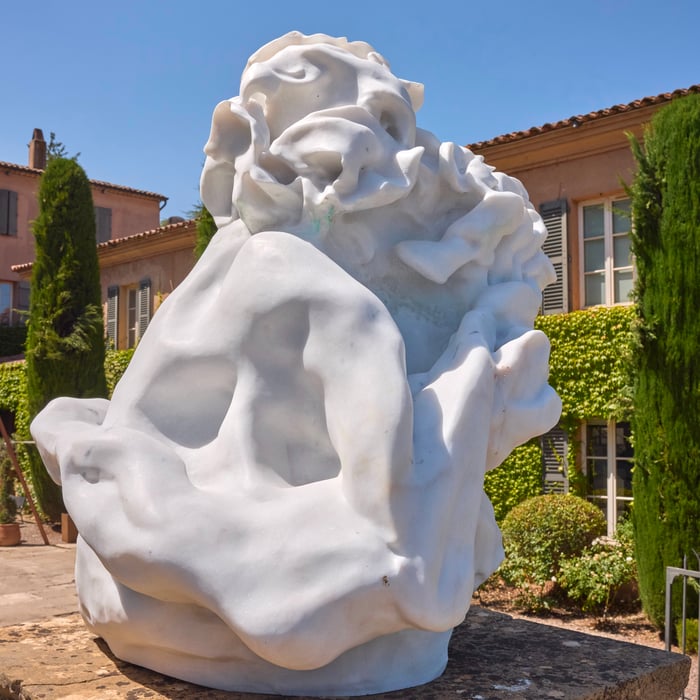

Dau Al Set was an artistic movement that sought to express both the conscious and unconscious mind through art. Initially an offshoot of Surrealism, it evolved into a distinct movement over time. Founded in Catalonia post-World War II, Dau Al Set was the first artistic movement in the region after the war. The name Dau Al Set translates to the seventh face of the dice in Catalan, symbolizing the movement's unique and unconventional character.

Viennese Actionism was a short-lived but intense art movement in the 20th century, emerging as part of the broader action art efforts of the 1960s. Known for its violent and provocative performances, the movement sought to break traditional art boundaries. Key figures in this movement included Arnulf Rainer and Hermann Nitsch.

Mail Art is a populist art movement centered on the creation and exchange of small-scale artworks through the postal service. It developed out of the Fluxus movement in the 1950s and 1960s and has since evolved into a global art movement. Ray Johnson is recognized as the first mail artist, and his New York School is considered the first network of mail artists. Mail artists rely heavily on a network to exchange their works, often creating a community of artists connected through the postal system.
Can't find your Answer?
Thank you! Your question has been sent — we'll get back to you shortly.
