

What is late modernism?
- Show All
- Established
- Discoveries
- Show All
Artworks Related to Late modernism

Andy Warhol
Mao (Complete Suite) (F. & S. 90-99), 1972
Limited Edition Print
Silkscreen
Currently Not Available

Andy Warhol
Ingrid Bergman, Herself (F. & S. II.313), 1983
Limited Edition Print
Screen-print
USD 60,000 - 70,000

Andy Warhol
Saint Apollonia (F. & S. II.331), 1984
Limited Edition Print
Screen-print
USD 23,500
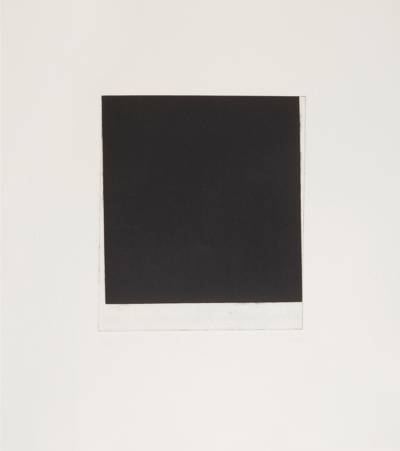
Ellsworth Kelly
Wall, 1976-1979
Limited Edition Print
Etching and Aquatint
USD 6,790

Ellsworth Kelly
Jacmel, 1978-1980
Limited Edition Print
Screen-print
USD 8,500

Ellsworth Kelly
Dartmouth, 2011
Limited Edition Print
Lithograph
Currently Not Available

Andy Warhol
Tre Amici, 1984
Limited Edition Print
Screen-print
USD 80,000 - 90,000

Frank Stella
Sinjerli Variation I, 1977
Limited Edition Print
Mixed Media
Currently Not Available

Red Grooms
Saskia Down the Metro, 1983
Limited Edition Print
Collage
USD 3,570
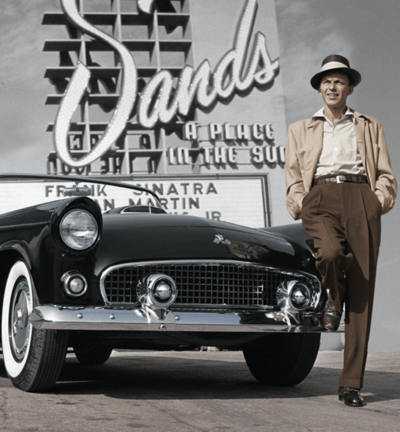
Frank Worth
Frank Sinatra
Photography
Gelatin Silver Print
USD 595

Frank Worth
Elizabeth Taylor
Photography
Gelatin Silver Print
USD 1,495

Frank Worth
Marilyn
Photography
Gelatin Silver Print
USD 2,995

Frank Worth
Marilyn
Photography
Gelatin Silver Print
USD 3,995

Frank Worth
Marilyn in 'how to marry a millionaire'
Photography
Gelatin Silver Print
USD 2,995

Frank Worth
James Dean
Photography
Gelatin Silver Print
USD 2,995

Frank Worth
James Dean seated
Photography
Gelatin Silver Print
USD 2,995
Related Articles


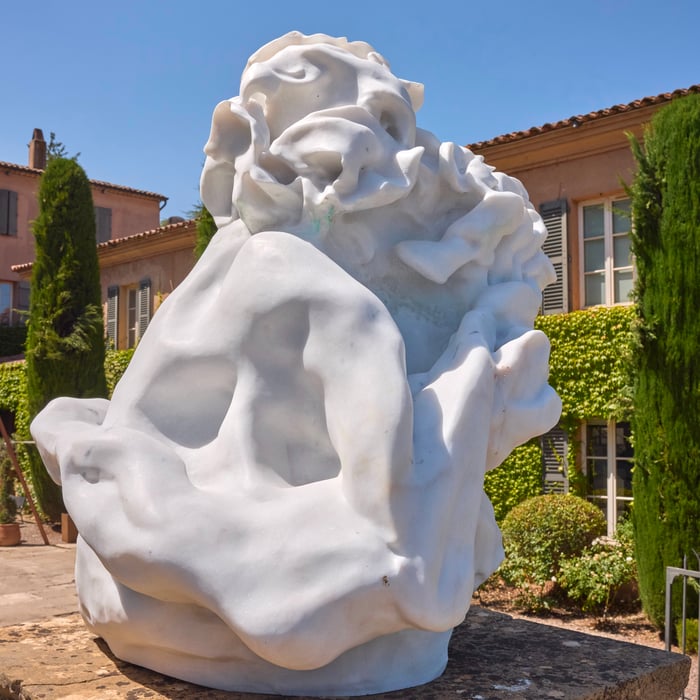

Oil paint is a slow-drying type of paint made from pigment particles suspended in a drying oil, typically linseed oil. The viscosity of the paint can be adjusted by adding a solvent like turpentine, and varnish can be added to increase the glossiness of the dried paint film. Oil painting has been used since the 12th century in Europe, initially for decoration, but it was not widely adopted as a primary painting medium until the 15th century.
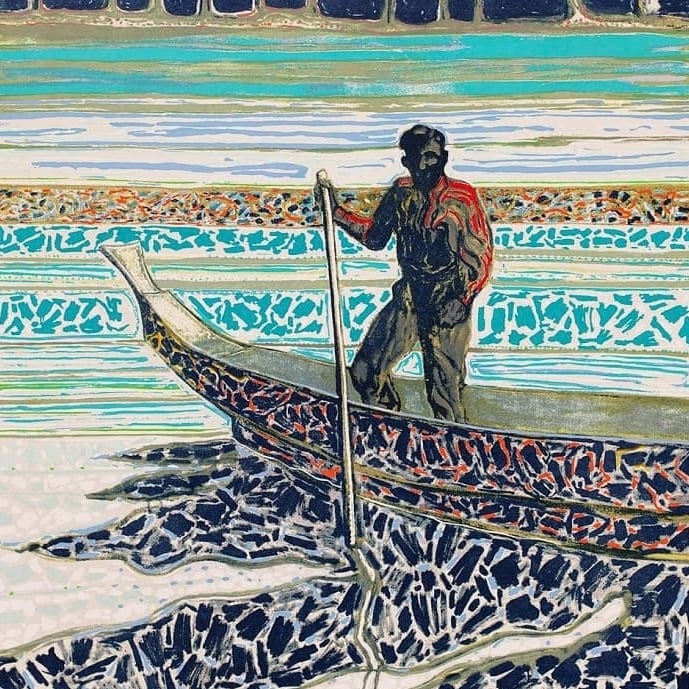
Stuckism is an art movement that promotes figurative painting over conceptual art. It was founded in 1999 by Charles Thomson and Billy Childish with an initial group of 13 artists in Britain. The movement has since expanded to 52 countries with 233 groups worldwide. Several manifestos, issued by Thomson and Childish, advocate for the spirit of modernism and the creation of spiritual art, regardless of medium, subject matter, or style. Stuckism emphasizes the importance of genuine expression and rejects the dominance of conceptual art in the contemporary art scene.

Lowbrow is a derogatory term that refers to certain forms of popular culture. It describes an art movement that began in Los Angeles in the 1970s. The term lowbrow originally refers to a person with little intellectual or refined taste. The Lowbrow art movement, also known as Pop Surrealism, blends elements of underground comics, punk music, hot rod culture, and other subcultures, often with a sense of humor and irony.
Can't find your Answer?
Thank you! Your question has been sent — we'll get back to you shortly.
