

What is late modernism?
- Show All
- Established
- Discoveries
- Show All
Artworks Related to Late modernism

Ruth Asawa
Bronze Flower, 1979
Sculpture / Object
Bronze
USD 3,750

Ellsworth Kelly
Untitled (Blue Curve), 1982
Limited Edition Print
Lithograph
USD 15,750
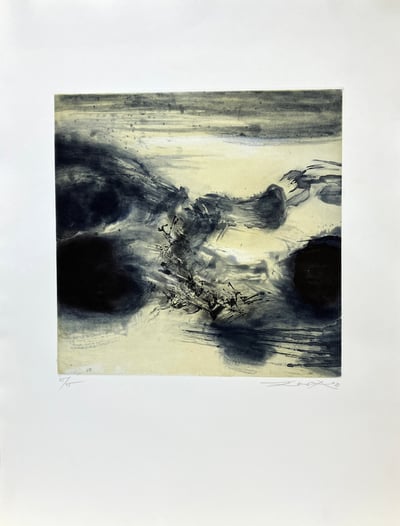
Zao Wou-Ki
Untitled (Agerup 243), 1973
Limited Edition Print
Aquatint
EUR 5,400

Robert Mangold
Semi Circle IV, 1995
Limited Edition Print
Lithograph
Currently Not Available

Henry Moore
Reclining Figure with Red Stripes, 1973
Limited Edition Print
Lithograph
USD 1,350

Andy Warhol
Wild Raspberries (Salad), 1959
Limited Edition Print
Offset Print
Inquire For Price

Andy Warhol
Wild Raspberries (Baked Hawaii), 1959
Limited Edition Print
Offset Print
Inquire For Price

Andy Warhol
Wild Raspberries (Greengauges a la Warhol), 1959
Limited Edition Print
Offset Print
Inquire For Price

Heinz Mack
Kleiner Dreiklang, 1994
Limited Edition Print
Silkscreen
EUR 6,970

Heinz Mack
Blaues Feld mit Rosa, 1997
Limited Edition Print
Silkscreen
EUR 5,800
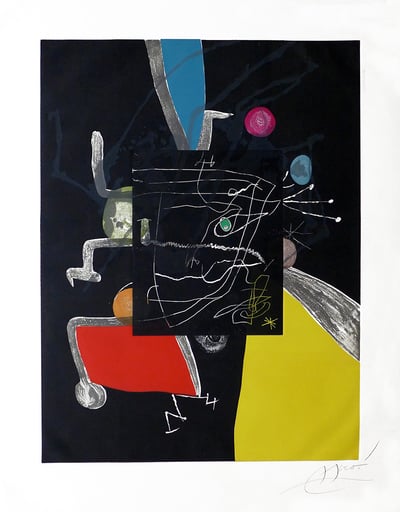
Joan Miró
Martí i Pol, 1976
Limited Edition Print
Mixed Media
EUR 14,250
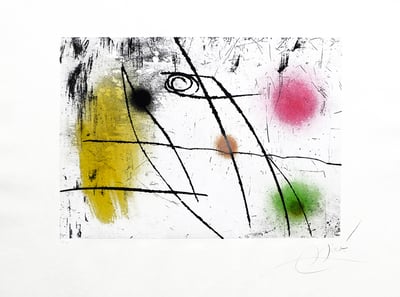
Joan Miró
Lapidari nº 37 Calsedonia, 1981
Limited Edition Print
Mixed Media
EUR 11,900
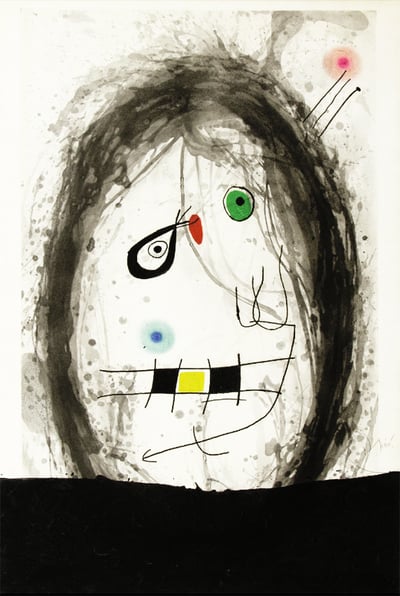
Joan Miró
L´exilé noir, 1969
Limited Edition Print
Mixed Media
EUR 15,400
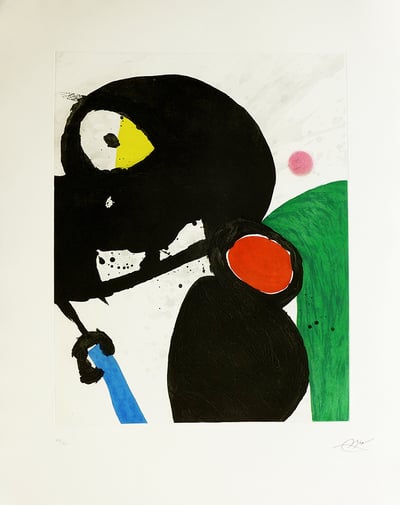
Joan Miró
La mangeuse de crabes, 1981
Limited Edition Print
Mixed Media
EUR 9,500

Joan Miró
Personnage II, 1979
Drawing / Watercolor
Pencil
Inquire For Price

Joan Miró
Miró Graveur VII, 1981
Limited Edition Print
Woodcut
EUR 8,350
Related Articles


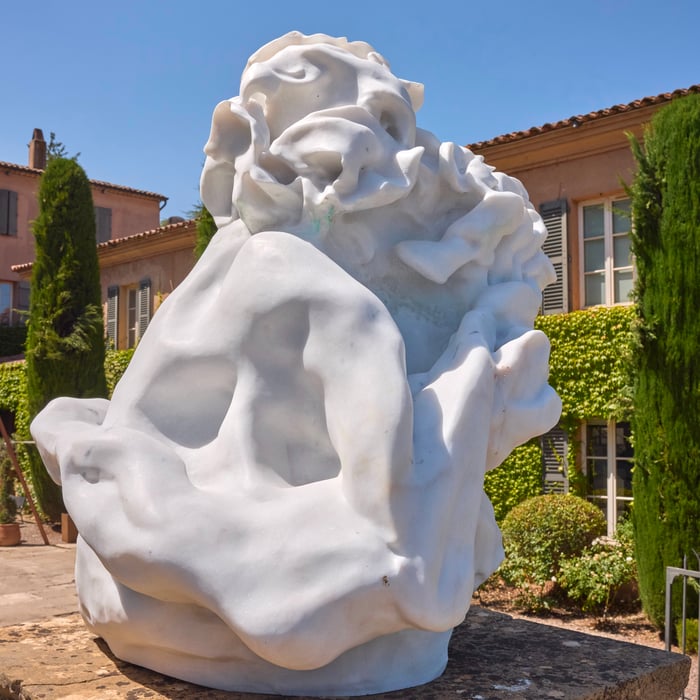

Ceramic is a term used to describe objects made from clay or other inorganic materials. These objects can be either decorative or functional and have been created since at least 4,000 B.C. Ceramic art involves making, decorating, and firing these objects in a kiln, a special high-temperature oven.

Sometimes known as Figurativism, figurative art refers to sculptures and paintings that are clearly or specifically derived from real objects, making them representational. The term figurative art is often used in contrast to abstract art. However, since the emergence of abstract art, figurative art has come to describe any form of modern art that has strong references to the real world or actual situations.
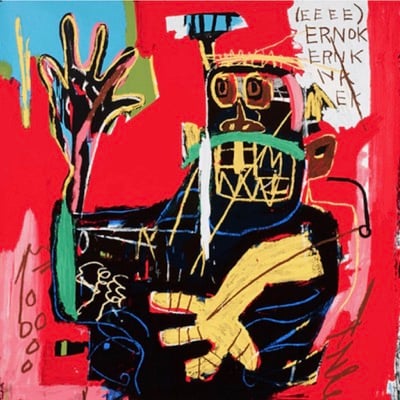
In 1981, Patti Astor opened the first art gallery in New York City's East Village, helping to launch the careers of various artists and musicians. The gallery started small but quickly gained popularity, contributing to the emergence of art movements such as Neo-Expressionism and Street Art in the area. The East Village became a hub for these new artistic expressions. However, the gallery closed in 1985 due to waning interest.
Can't find your Answer?
Thank you! Your question has been sent — we'll get back to you shortly.
