

What is late modernism?
- Show All
- Established
- Discoveries
- Show All
Artworks Related to Late modernism
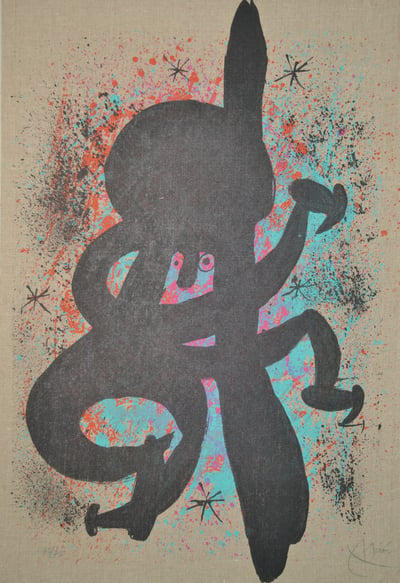
Joan Miró
The Feverish Eskimo - M637, 1969
Limited Edition Print
Lithograph
USD 6,500

Joan Miró
La Nuit Tentaculaire - M639, 1969
Limited Edition Print
Lithograph
USD 6,200
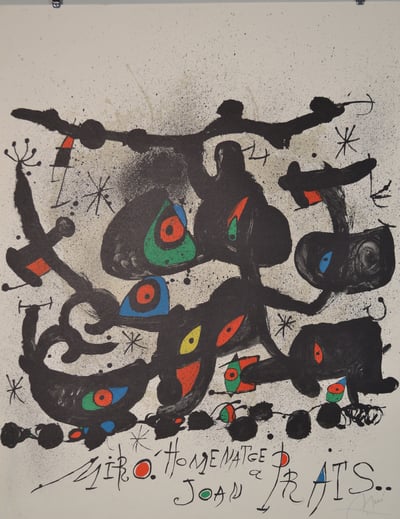
Joan Miró
Homentage A Joan Prats - M735, 1971
Limited Edition Print
Lithograph
USD 6,200

Joan Miró
Hommage A Miro - M868, 1972
Limited Edition Print
Lithograph
USD 5,300

Joan Miró
Homentage A Joan Prats - M852, 1972
Limited Edition Print
Lithograph
USD 5,300
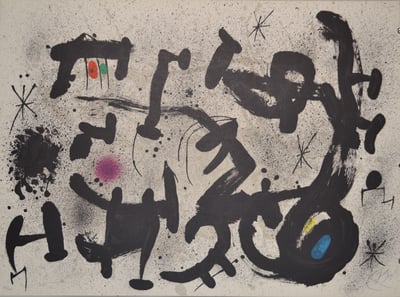
Joan Miró
Hommage A Joan Prats - M1034, 1975
Limited Edition Print
Lithograph
USD 5,200
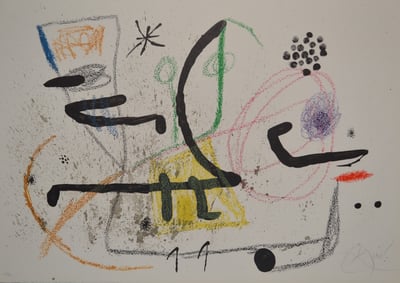
Joan Miró
Maravillas - M1061, 1975
Limited Edition Print
Lithograph
USD 6,500

Joan Miró
Album 21 - M1132, 1978
Limited Edition Print
Lithograph
USD 6,250

Joan Miró
Album 21, plate 14 - M1139, 1978
Limited Edition Print
Lithograph
USD 6,200
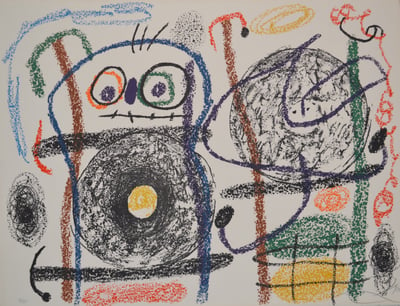
Joan Miró
Album 21, plate 15 - M1140
Limited Edition Print
Lithograph
USD 6,250

Joan Miró
Le Bagnard - M594 , 1969
Limited Edition Print
Lithograph
USD 7,450

Joan Miró
Maravillas - M1055
Limited Edition Print
Lithograph
USD 6,250

Joan Miró
Le Roi des lapins, 1981
Limited Edition Print
Etching and Aquatint
Currently Not Available
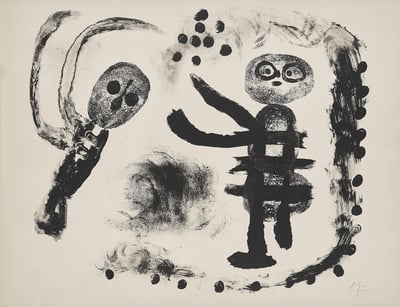
Joan Miró
Petite Fille au Bois, 1958
Limited Edition Print
Lithograph
EUR 3,750

Joan Miró
Passage de L´Egyptienne 2, 1985
Limited Edition Print
Etching
EUR 6,600
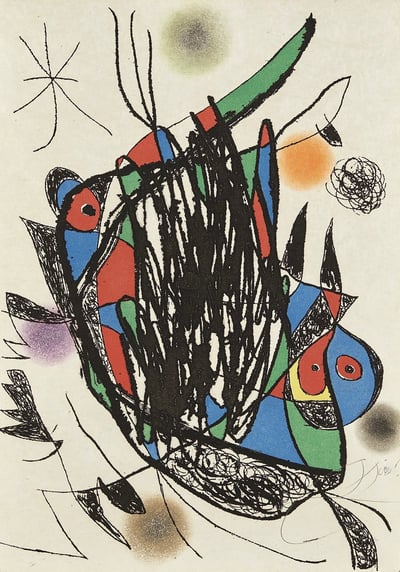
Joan Miró
Passage De L'Egyptienne 5, 1985
Limited Edition Print
Etching and Aquatint
EUR 7,200
Related Articles



Sometimes known as Figurativism, figurative art refers to sculptures and paintings that are clearly or specifically derived from real objects, making them representational. The term figurative art is often used in contrast to abstract art. However, since the emergence of abstract art, figurative art has come to describe any form of modern art that has strong references to the real world or actual situations.
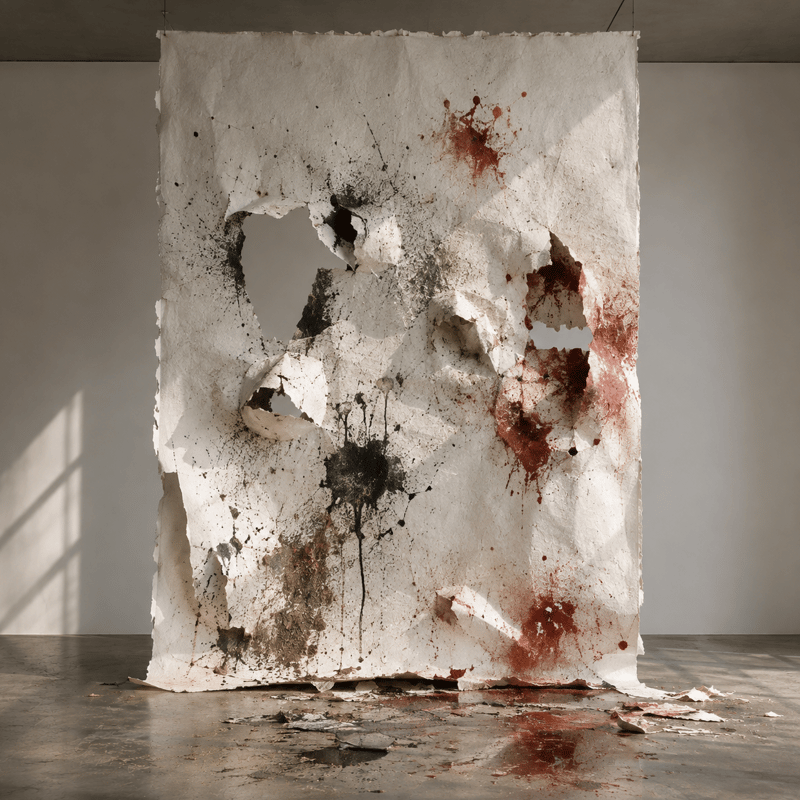
Gutai was a group of Japanese radical artists who formed the Gutai Art Association in 1954. The word Gutai translates to embodiment. The group was known for creating art on the spot for live audiences, often incorporating their own physical movements. Their performances included actions like throwing paint, piercing paper, and rolling in mud, emphasizing the direct interaction between the body and the material.
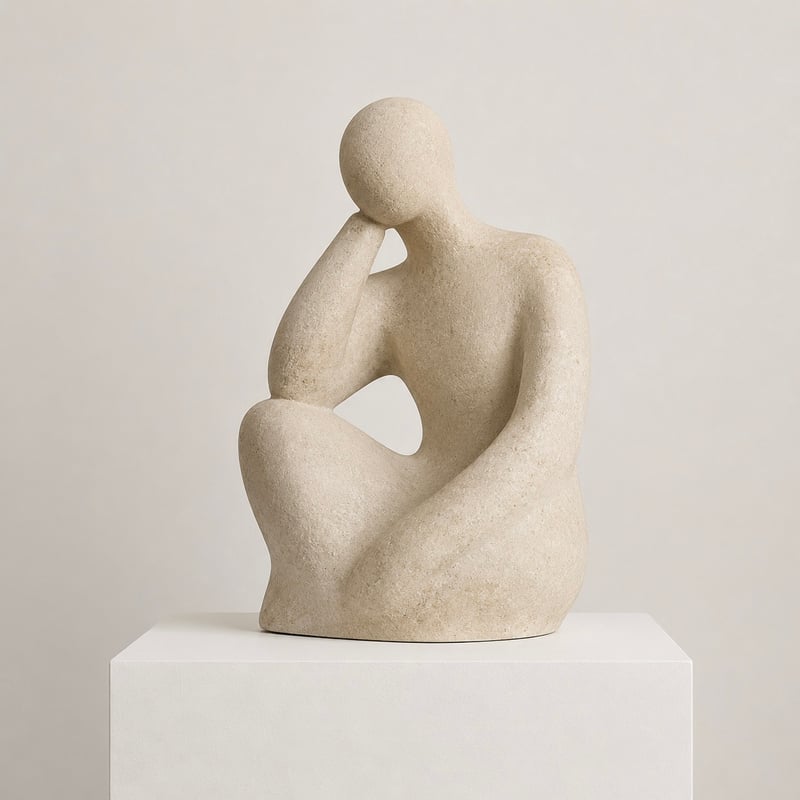
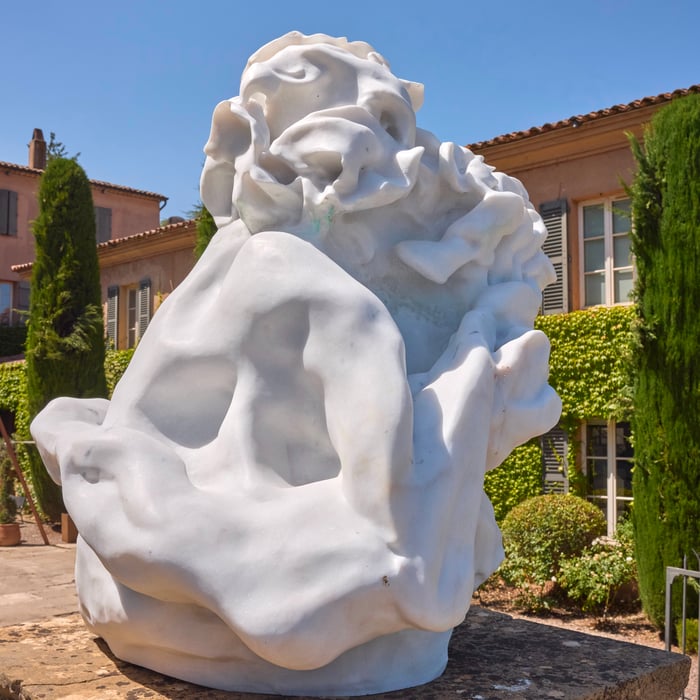
A sculpture is a three-dimension object made using any one of the basic sculpting processes. These include carving, casting, constructing or modeling. Carving materials may be bone, ivory, stone or wood. Modeling and casting use clay or wax, while constructions glue materials together.
Can't find your Answer?
Thank you! Your question has been sent — we'll get back to you shortly.
