

What is late modernism?
- Show All
- Established
- Discoveries
- Show All
Artworks Related to Late modernism
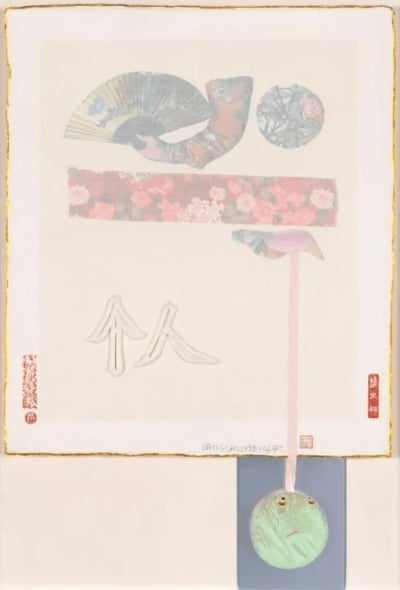
Robert Rauschenberg
Individual, 1982
Limited Edition Print
Collage
USD 8,500

Red Grooms
Franklins Reception at the Court of France, 1982
Limited Edition Print
Lithograph
USD 1,990

Roy Lichtenstein
Litho/Litho, 1970
Limited Edition Print
Lithograph
USD 17,200

Andy Warhol
Shoe and Stocking, 1955
Limited Edition Print
Offset Print
USD 11,700
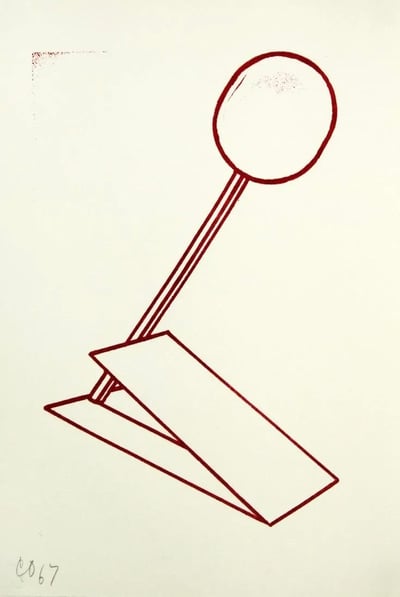
Claes Oldenburg
Untitled Rubber Stamp Print, 1967
Limited Edition Print
Mixed Media
USD 850

Dan Flavin
Guggenheim Tondo, 1992
Sculpture / Object
Mixed Media
EUR 7,500

Carl Andre
Untitled (Text Grid), 1973
Limited Edition Print
Screen-print
USD 6,500

Donald Judd
Untitled (from Kunstmarkt Köln), 1969
Limited Edition Print
Offset Print
Currently Not Available
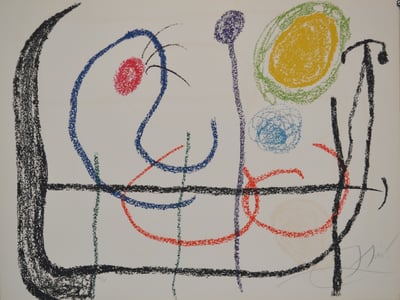
Joan Miró
Untitled, from Album 21 portfolio - M1136, 1978
Limited Edition Print
Lithograph
USD 6,250
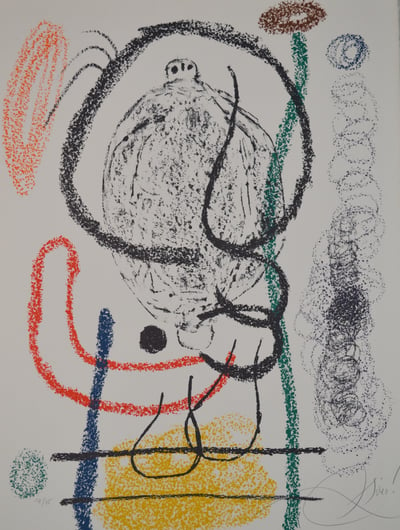
Joan Miró
Untitled, from Album 21 portfolio - M1130, 1978
Limited Edition Print
Lithograph
USD 6,250

Joan Miró
Les Scarabees - D1018, 1978
Limited Edition Print
Mixed Media
USD 6,250

Roberto Matta
Untitled X, 1962
Limited Edition Print
Lithograph
Inquire For Price
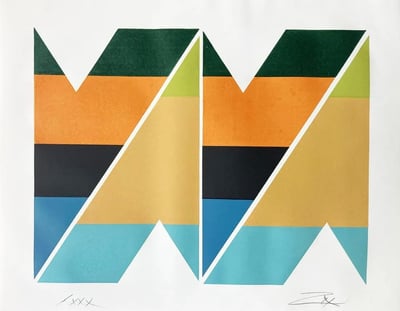
Larry Zox
Scissors, 1980
Limited Edition Print
Mixed Media
Inquire For Price

Marina Apollonio
Dinamica Circolare 6Z+R, 1965-2021
Sculpture / Object
Mixed Media
EUR 3,000

Ellsworth Kelly
Untitled (Orange/Black), 1972
Limited Edition Print
Lithograph
USD 17,750

Roberto Matta
Untitled XIV, 1962
Limited Edition Print
Lithograph
USD 1,250
Related Articles


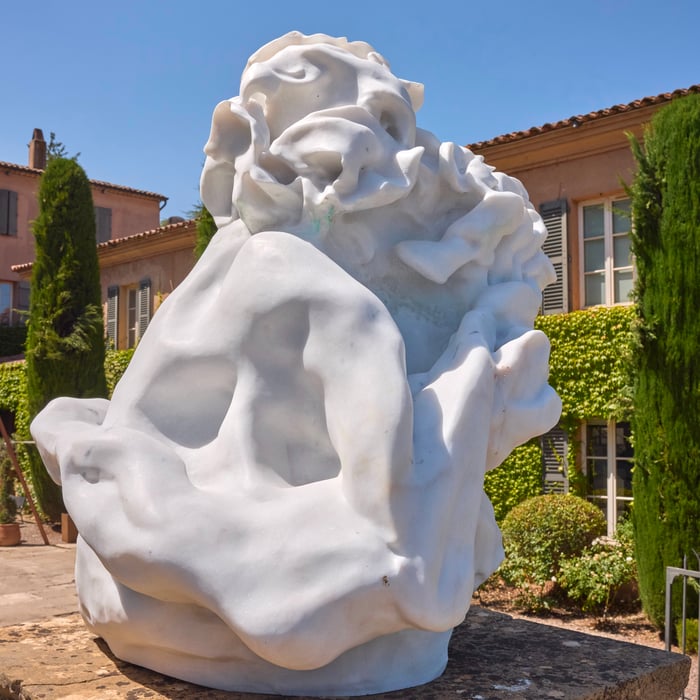

Constructivism is an architectural and artistic philosophy of Russian origin that emerged as a rejection of the idea of autonomous art. The movement advocated for art to serve practical social purposes. Since its inception in 1919, Constructivism has evolved and significantly impacted 20th-century art movements, influencing major trends such as De Stijl and Bauhaus.

Etching and aquatint are printmaking techniques. In aquatint, the printing plate is etched with a pattern of tiny pits and cracks to create a wide range of tonal gradations. This technique allows artists to replicate the broad, flat tones found in watercolor paintings and ink washes.
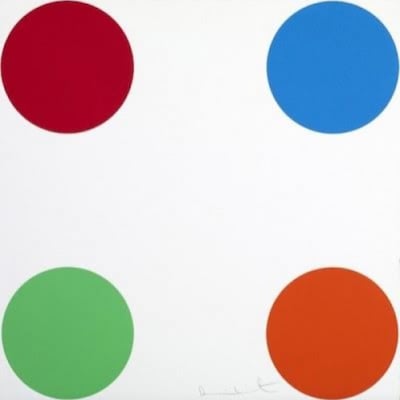
Young British Artists (YBAs), also known as Britart or Brit artists, refers to a group of artists who began exhibiting together in London in 1988. Most of them graduated from the BA Fine Arts course at Goldsmiths in the late 1980s. The YBAs are known for their wild lifestyles, use of unconventional materials, and a combination of entrepreneurial and oppositional attitudes. They dominated the British art scene in the 1990s and gained significant media attention. Many of these artists were initially supported and collected by Charles Saatchi, a key figure in their rise to prominence.
Can't find your Answer?
Thank you! Your question has been sent — we'll get back to you shortly.
