

What is late modernism?
- Show All
- Established
- Discoveries
- Show All
Artworks Related to Late modernism

Piero Dorazio
Red Squares, 1967
Limited Edition Print
Lithograph
EUR 1,375

Piero Dorazio
Untitled Composition, 1967
Limited Edition Print
Lithograph
EUR 1,375

Alexander Calder
L’albero del bene e del male, 1975
Limited Edition Print
Lithograph
EUR 4,600

Alexander Calder
Spirale millepiedi, 1972
Limited Edition Print
Lithograph
EUR 4,850

Alexander Calder
Girandola, 1972
Limited Edition Print
Lithograph
EUR 5,400

Jasper Johns
Summer, 1985
Limited Edition Print
Etching and Aquatint
USD 5,250

Claes Oldenburg
Study for Steel and Lead Ashtray, 1976
Limited Edition Print
Etching and Aquatint
EUR 3,750
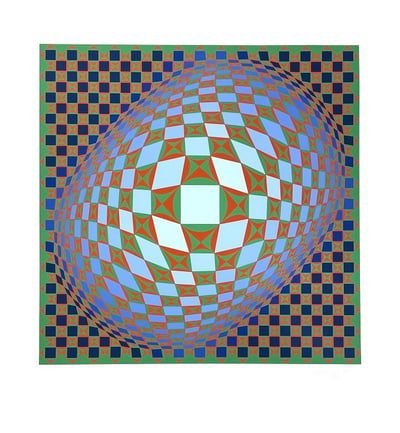
Victor Vasarely
Vilag
Limited Edition Print
Screen-print
EUR 2,300

Roy Lichtenstein
Sweet dreams, Baby!, 1965
Limited Edition Print
Screen-print
Currently Not Available

Andy Warhol
Kachina Dolls, 1986
Limited Edition Print
Screen-print
USD 45,200

Roy Lichtenstein
CRAK!, 1963-1965
Limited Edition Print
Lithograph
Currently Not Available
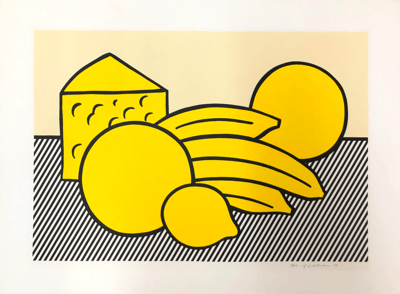
Roy Lichtenstein
Yellow Still Life, 1974
Limited Edition Print
Mixed Media
USD 39,500

Roy Lichtenstein
Girl, 1964
Limited Edition Print
Lithograph
USD 3,000

Victor Vasarely
Omega V, 1979
Limited Edition Print
Serigraph
Inquire For Price

Robert Mangold
Semi Circle III, 1995
Limited Edition Print
Lithograph
Currently Not Available

Roberto Matta
Coigitum, 1975
Limited Edition Print
Etching and Aquatint
USD 750
Related Articles


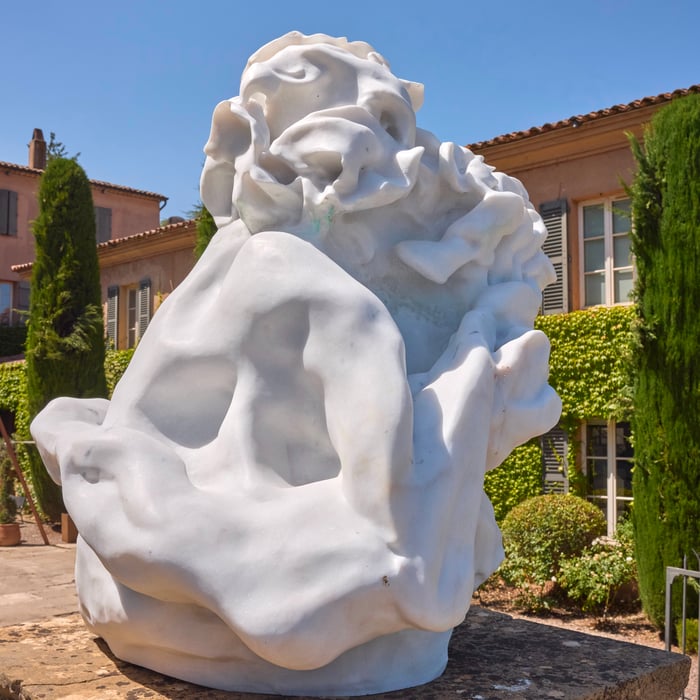

A pigment is a material that changes the color of light by selectively absorbing certain wavelengths and reflecting others. Unlike phosphorescence or fluorescence, where materials emit light, pigments work by altering the light that passes through or is reflected from them. In art, pigments are chosen for their special properties, such as high tinting strength, making them ideal for coloring various materials.
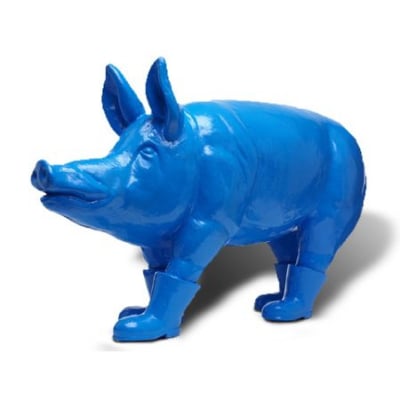
Environmental art is a collective term that refers to a wide range of artistic practices and works that engage with historical and ecological themes. The term often encompasses ecological concerns, although it is not exclusively defined by them. Environmental art acknowledges and appreciates the early history of the environmental art movement, including works with activist themes and those celebrating the connection between nature and the artist through the use of natural materials.

Metalcut was a relief printing technique used primarily in Europe from around 1450 to 1540. The technique involved using thin metal plates. One method involved cutting or hammering away parts of the plate that were not intended to print, while the other method used engraving to create white lines on a black background.
Can't find your Answer?
Thank you! Your question has been sent — we'll get back to you shortly.
