

What is late modernism?
- Show All
- Established
- Discoveries
- Show All
Artworks Related to Late modernism

Albert Ràfols-Casamada
Primavera-4 , 2002
Limited Edition Print
Etching
EUR 500

Albert Ràfols-Casamada
Primavera-3 , 2002
Limited Edition Print
Etching
EUR 500

Albert Ràfols-Casamada
Primavera-2 , 2002
Limited Edition Print
Etching
EUR 500

Albert Ràfols-Casamada
Primavera-1 , 2002
Limited Edition Print
Etching
EUR 500

Albert Ràfols-Casamada
Circ-6 , 1988
Limited Edition Print
Etching
EUR 700

Albert Ràfols-Casamada
Circ-5 , 1988
Limited Edition Print
Etching
EUR 700

Albert Ràfols-Casamada
Circ-3 , 1988
Limited Edition Print
Etching
EUR 700

Albert Ràfols-Casamada
Circ-2 , 1988
Limited Edition Print
Etching
EUR 700

Albert Ràfols-Casamada
Circ-1 , 1988
Limited Edition Print
Etching
EUR 700

Albert Ràfols-Casamada
Rosat-Klee , 1998
Limited Edition Print
Etching
EUR 650

Albert Ràfols-Casamada
Roig-Leger , 1998
Limited Edition Print
Etching
EUR 650

Albert Ràfols-Casamada
Carmi-Matisse , 1998
Limited Edition Print
Etching
EUR 650

Albert Ràfols-Casamada
Blanc-Mondrian , 1998
Limited Edition Print
Etching
EUR 650

Albert Ràfols-Casamada
Luna Park -2, 1985
Limited Edition Print
Drypoint
EUR 400

Albert Ràfols-Casamada
Jardí-2 , 1985
Limited Edition Print
Drypoint
Currently Not Available

Albert Ràfols-Casamada
Portfolio 12th Anniversary of Galeria Joan Prats , 1988
Limited Edition Print
Lithograph
Currently Not Available
Related Articles


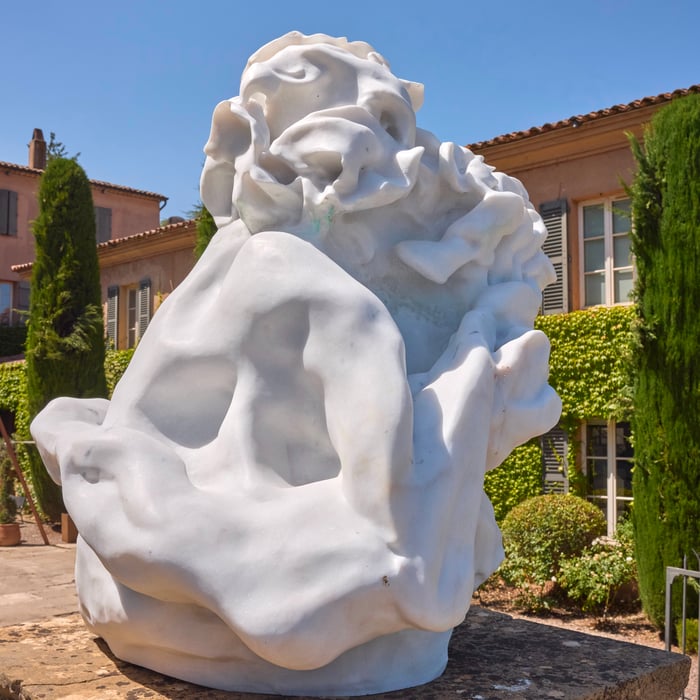

Interactive art is a form of art where the spectator is actively involved by the artist to achieve the artwork's purpose. This involvement can include allowing the visitor to walk around, in, or on the art installation, or even becoming a part of the artwork itself. Works in this category often feature computers, sensors, and interfaces that respond to various inputs such as meteorological changes, heat, motion, or other types of data programmed by the artist.

A C-type print, also known as a chromogenic print, is a photographic print made from a color negative or slide. The print is created on chromogenic paper, which contains three emulsion layers, each sensitized to a different primary color. After exposure, the paper is processed in a series of chemical baths, where each layer reacts to the chemicals to produce the final image. C-type prints are known for their rich color depth and are widely used in fine art and commercial photography.

Gestural art is a term that describes painting with freely sweeping brushstrokes. The primary goal of gestural art is to allow the artist to physically express emotional impulses. The varied, yet expressive paint marks are intended to convey the artist's inner thoughts and emotions, which viewers are believed to understand through the dynamic and spontaneous application of paint.
Can't find your Answer?
Thank you! Your question has been sent — we'll get back to you shortly.
