
What is Lettrism?
- Show All
- Established
- Discoveries
- Show All
Artworks Related to Lettrism

Richard Prince
Untitled (from Upstate - nudes), 1998
Photography
Photograph
USD 9,500

David Shrigley
Untitled (Fast Train To Shitsville), 2021
Limited Edition Print
Screen-print
GBP 3,000 - 5,000
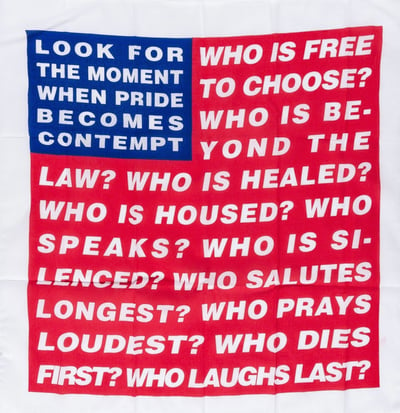
Barbara Kruger
Untitled (Flag), 2020
Tapestry
Mixed Media
GBP 1,800

John Baldessari
Dustin Hoffman, 2018
Limited Edition Print
Embossing
Currently Not Available

Shepard Fairey
Enhanced Disintegration (Pink), 2019
Limited Edition Print
Screen-print
GBP 1,000
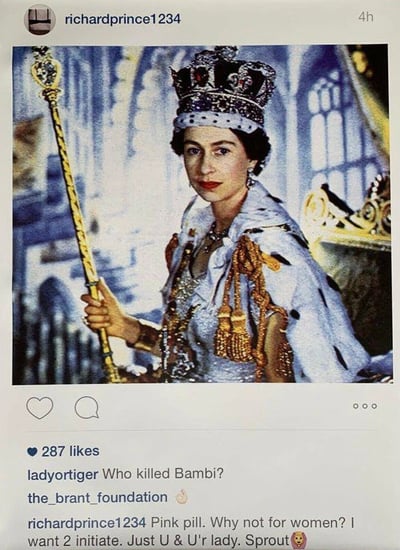
Richard Prince
Instagram New Portraits - Queen Elizabeth II , 2015
Limited Edition Print
Offset Print
GBP 4,790

Robert Indiana
Four Season of Hope , 2012
Limited Edition Print
Silkscreen
Currently Not Available

Mr. Brainwash
Mondrian, 2019
Limited Edition Print
Screen-print
Currently Not Available

David Diao
Lissitzky-Letterhead, 2021
Limited Edition Print
Lithograph
EUR 2,000

David Diao
Lissitzky-Curves Breuer UNESCO, 2021
Limited Edition Print
Lithograph
EUR 2,000

David Diao
Lissitzky-Curves Herman-Miller, 2021
Limited Edition Print
Lithograph
EUR 2,000

David Shrigley
Untitled (Old Dog), 2021
Limited Edition Print
Screen-print
GBP 5,000 - 8,000
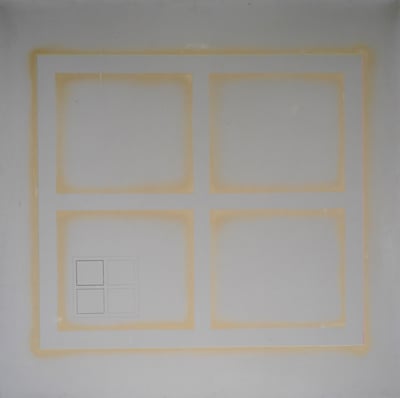
Shusaku Arakawa
Four dimensions exist in one dimension, 1965
Painting
Acrylic on canvas
USD 105,000 - 130,000

Tracey Emin
Grand Hotel I, 2016
Limited Edition Print
Lithograph
GBP 13,500

Sarah Morris
Geigy (Clips), 2011
Limited Edition Print
C-Print
Currently Not Available
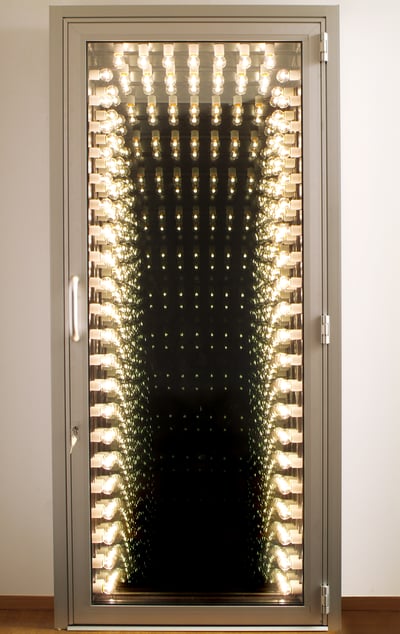
Ivan Navarro
There is Hole in the Spectacle, 2006
Sculpture / Object
Mixed Media
EUR 54,000 - 64,000
Related Articles

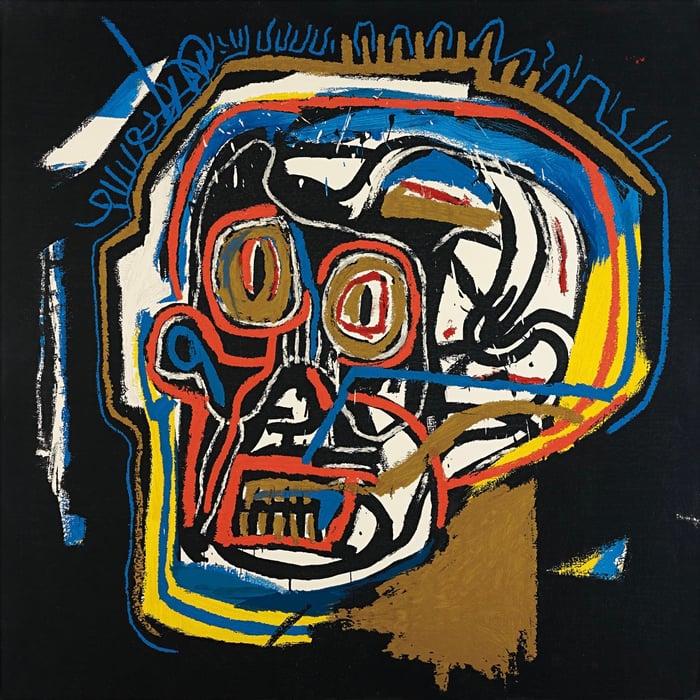
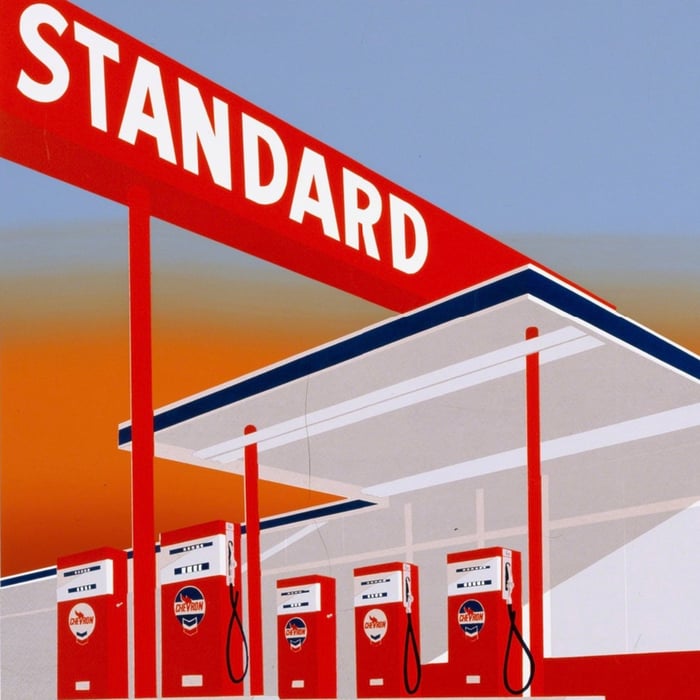
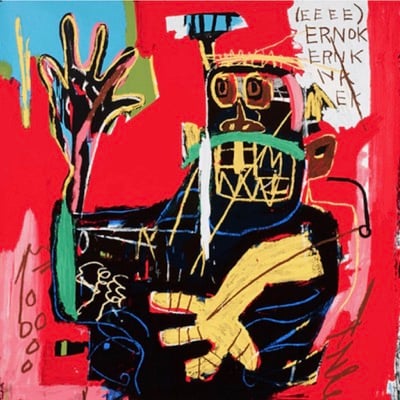
In 1981, Patti Astor opened the first art gallery in New York City's East Village, helping to launch the careers of various artists and musicians. The gallery started small but quickly gained popularity, contributing to the emergence of art movements such as Neo-Expressionism and Street Art in the area. The East Village became a hub for these new artistic expressions. However, the gallery closed in 1985 due to waning interest.
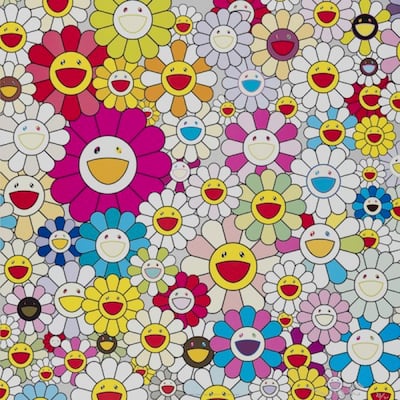
Superflat is an art movement founded by Takashi Murakami, heavily influenced by anime and manga. The term Superflat refers to the flattened forms found in Japanese animation, graphic art, fine arts, and pop culture, as well as the perceived superficiality of Japanese culture. Murakami's movement, which he self-proclaimed, is considered postmodern and critiques both the depth and shallowness of contemporary Japanese society. Superflat has been highly influential in bridging the gap between high art and popular culture.

Dau Al Set was an artistic movement that sought to express both the conscious and unconscious mind through art. Initially an offshoot of Surrealism, it evolved into a distinct movement over time. Founded in Catalonia post-World War II, Dau Al Set was the first artistic movement in the region after the war. The name Dau Al Set translates to the seventh face of the dice in Catalan, symbolizing the movement's unique and unconventional character.
Can't find your Answer?
Thank you! Your question has been sent — we'll get back to you shortly.
