
What is Lettrism?
- Show All
- Established
- Discoveries
- Show All
Artworks Related to Lettrism
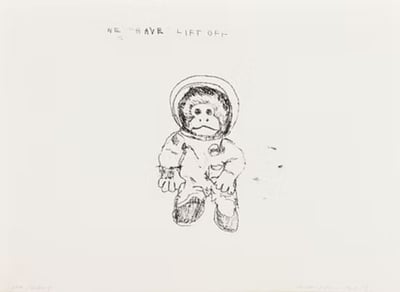
Tracey Emin
Space Monkey, 2009
Limited Edition Print
Mixed Media
GBP 8,500 - 11,000

Tracey Emin
For You, 2010
Limited Edition Print
Etching
GBP 4,500 - 5,800
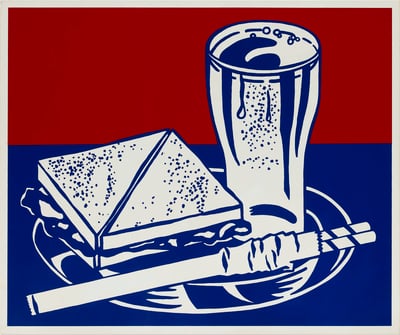
Roy Lichtenstein
Sandwich and Soda, 1964
Limited Edition Print
Screen-print
USD 19,500
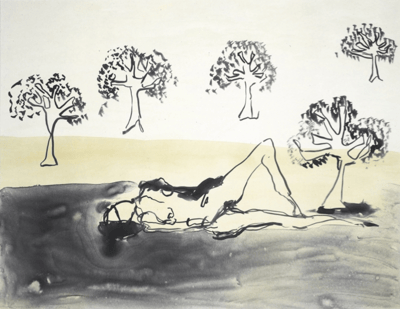
Tracey Emin
Laying with the Olive Trees, 2011
Limited Edition Print
Lithograph
GBP 9,600
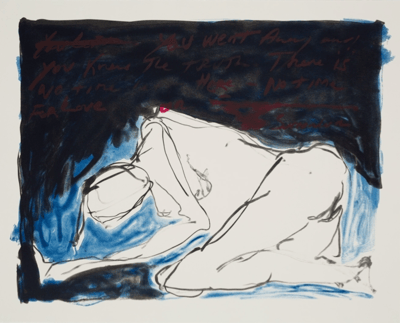
Tracey Emin
No Time for Love, 2020
Limited Edition Print
Lithograph
GBP 15,500
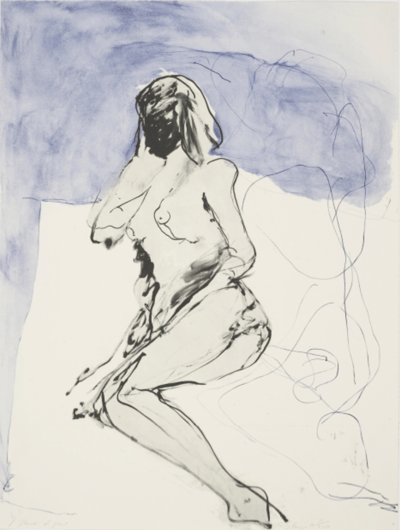
Tracey Emin
I Think of You, 2014
Limited Edition Print
Lithograph
GBP 14,950
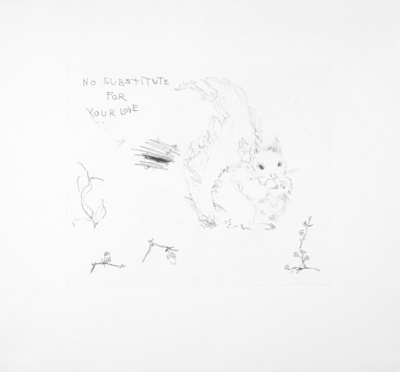
Tracey Emin
No Substitute for Your Love, 2003
Limited Edition Print
Etching
GBP 5,500
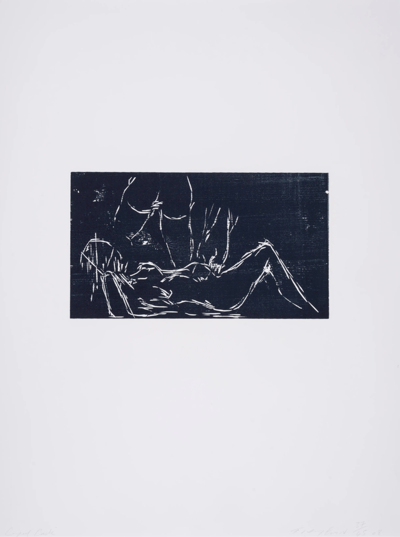
Tracey Emin
Laying Back, 2008
Limited Edition Print
Woodcut
GBP 10,000
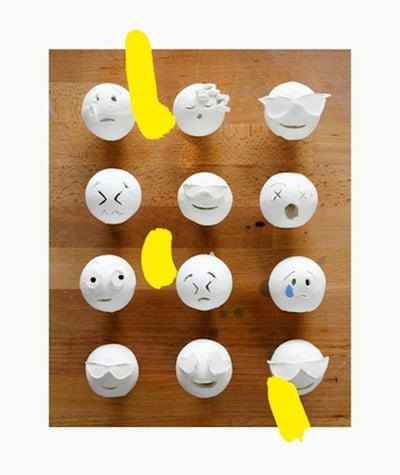
Laura Owens
Untitled, 2014
Limited Edition Print
Mixed Media
EUR 1,050
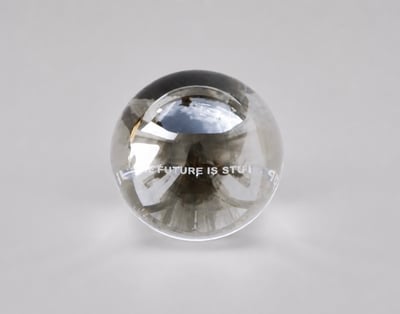
Jenny Holzer
The future is stupid, 2000
Sculpture / Object
Mixed Media
EUR 1,400
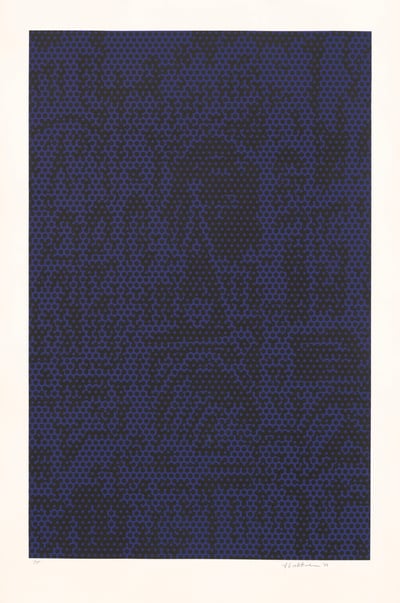
Roy Lichtenstein
Cathedral #6, 1969
Limited Edition Print
Lithograph
USD 21,200
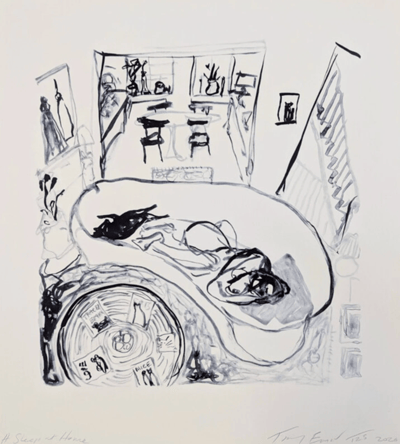
Tracey Emin
A Sleep at Home, 2026
Limited Edition Print
Lithograph
GBP 6,500 - 10,000
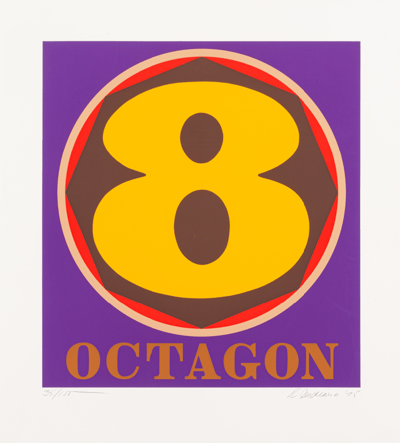
Robert Indiana
Octagon, 1975
Limited Edition Print
Silkscreen
EUR 7,500
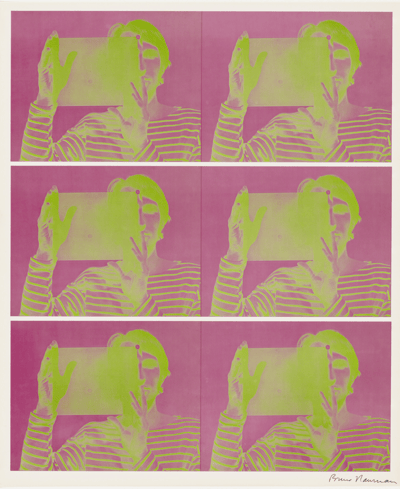
Bruce Nauman
Sequence, 1968
Limited Edition Print
Offset Print
EUR 2,700
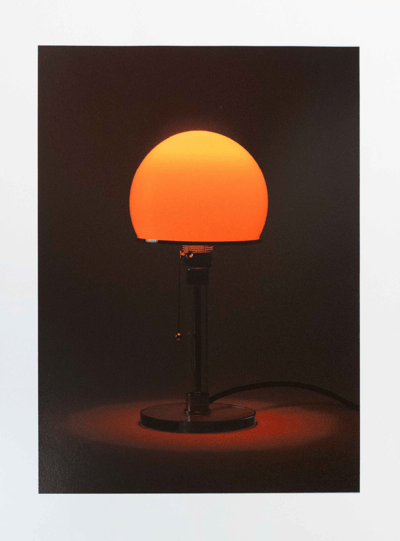
Jonathan Monk
Wagenfeld Sunsets I-VI, 376 B3, 2019
Photography
Inkjet print
EUR 1,500
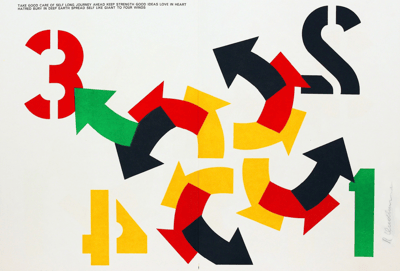
Robert Indiana
Four Winds, 1964
Limited Edition Print
Lithograph
EUR 3,500
Related Articles

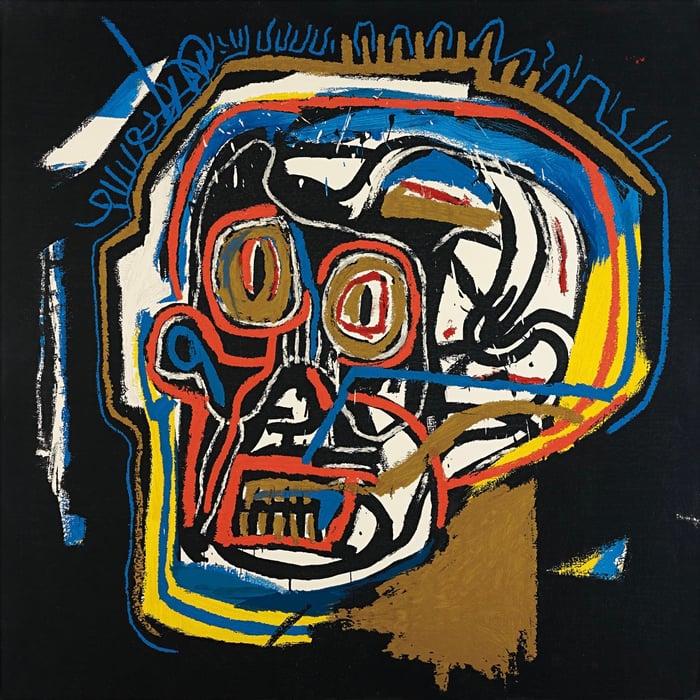
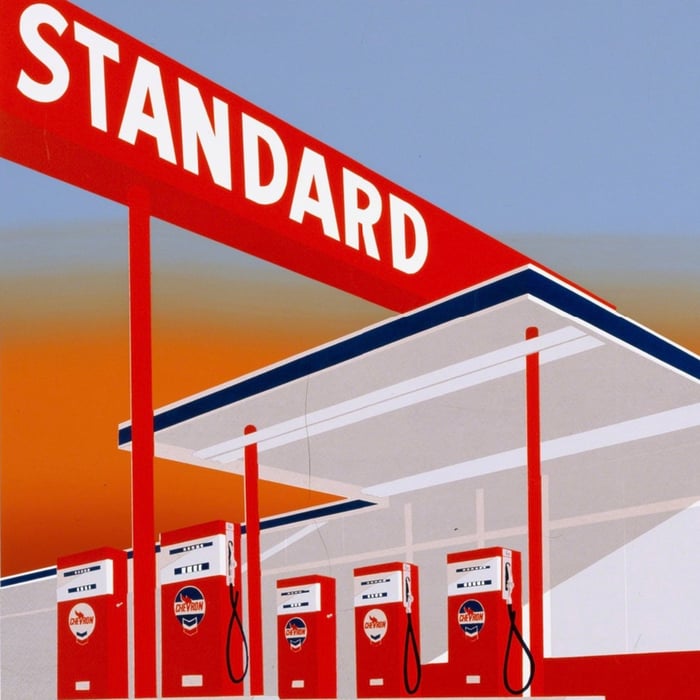
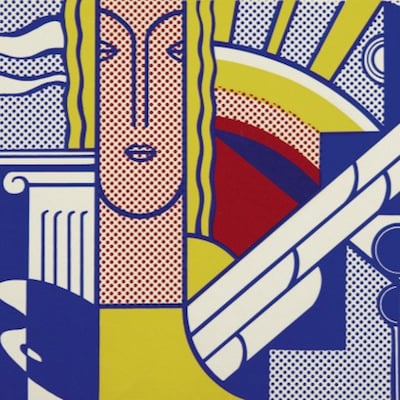
Late Modernism refers to the continuation and evolution of Modernist principles in art, architecture, and literature from the mid-20th century into the late 20th century. This movement maintains a focus on form, abstraction, and the rejection of traditional styles, but it often incorporates more complexity and ambiguity compared to early Modernism. Late Modernism explores themes such as alienation, identity, and the fragmentation of reality, reflecting the social and cultural shifts of the post-war period. It is seen in the works of architects like Louis Kahn and artists like Francis Bacon, who pushed the boundaries of Modernism while responding to the changing world around them.
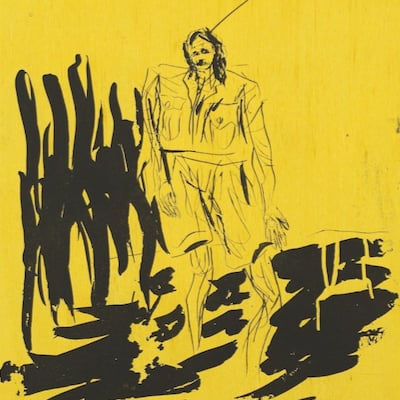
Neue Wilden is the term German artists used for Neo-Expressionism. In the 1970s and 80s, expressive painting re-emerged in Germany, with artists embracing intense colors and broad brushstrokes. The movement grew in opposition to minimal and conceptual art, favoring a return to raw, emotional expression through bold and dynamic painting techniques.
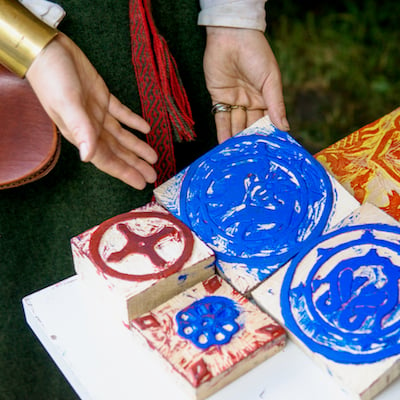
Woodblock printing is a technique that uses a carved wooden surface to create an image on materials such as paper or cloth. Ink or paint is applied thinly to the carved surface, which is then pressed against the material to transfer the image. This method has been historically significant in various cultures for producing prints and textiles.
Can't find your Answer?
Thank you! Your question has been sent — we'll get back to you shortly.
