

What is Lettrism?
- Show All
- Established
- Discoveries
- Show All
Artworks Related to Lettrism
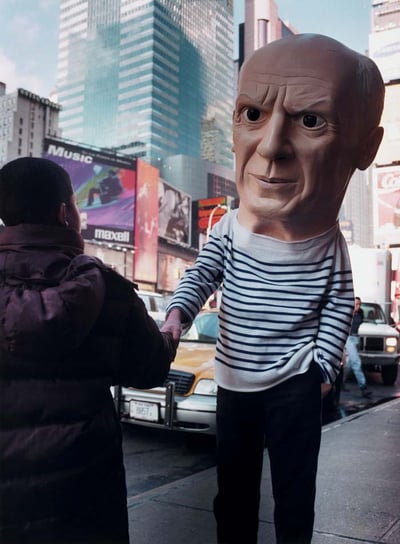
Maurizio Cattelan
Untitled (Picasso), 1999
Limited Edition Print
Photograph
EUR 1,880
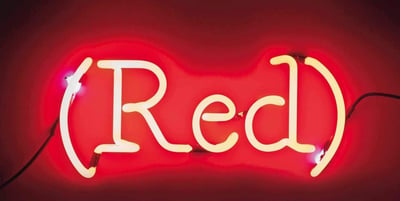
Joseph Kosuth
Wittgenstein's colour, 1989
Sculpture / Object
Mixed Media
EUR 29,300

Raymond Pettibon
Untitled, It might easily -be drawn into drawings, 1990
Limited Edition Print
Serigraph
USD 2,900

Raymond Pettibon
The World Came into the Church, 1991
Limited Edition Print
Screen-print
USD 2,950

Jorg Immendorf
Lästerzungen
Limited Edition Print
Screen-print
EUR 2,300

Jorg Immendorf
Nase 2
Limited Edition Print
Silkscreen
EUR 1,600

Larry Rivers
Make Believe Ballroom, 1989
Limited Edition Print
Mixed Media
Currently Not Available

Jasper Johns
Untitled (Faces on purple), 1988
Limited Edition Print
Carborundum
USD 21,000 - 30,000
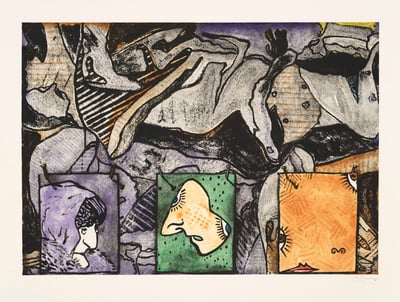
Jasper Johns
Untitled - Faces (ULAE 243), 1988
Limited Edition Print
Carborundum
USD 41,000 - 45,000

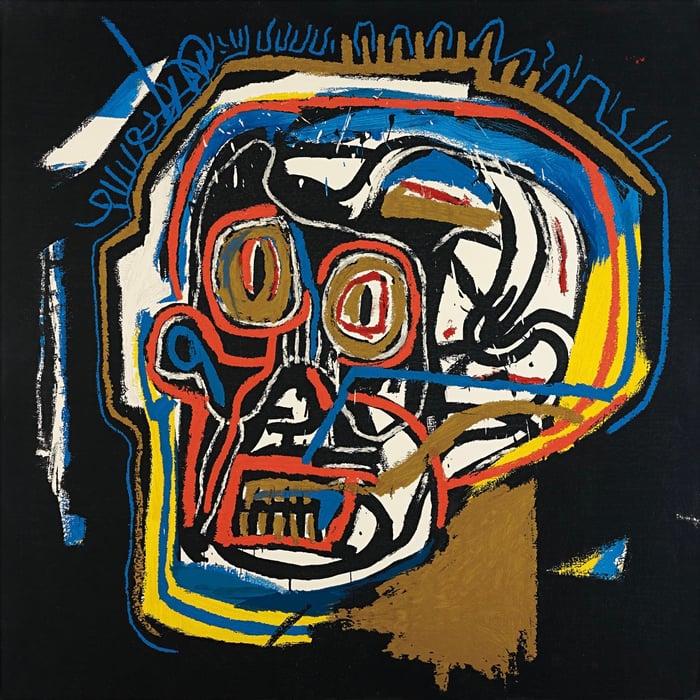
Jean-Michel Basquiat
Head, 2001
Limited Edition Print
Screen-print
Currently Not Available

Olivier Mosset
Untitled (Guillotine), 2017
Limited Edition Print
Lithograph
EUR 2,000

Jorg Immendorf
Schwarzes Schaf
Limited Edition Print
Silkscreen
EUR 1,900

Jorg Immendorf
Malerwald
Limited Edition Print
Silkscreen
EUR 2,300

Richard Long
Untitled (from Artists Against Torture portfolio), 2003
Limited Edition Print
Lithograph
EUR 2,900

Jorg Immendorf
AT-Aquarell, 2000
Limited Edition Print
Silkscreen
EUR 2,100

Jorg Immendorf
no title (Red Man), 2006
Limited Edition Print
Silkscreen
EUR 2,300
Related Articles

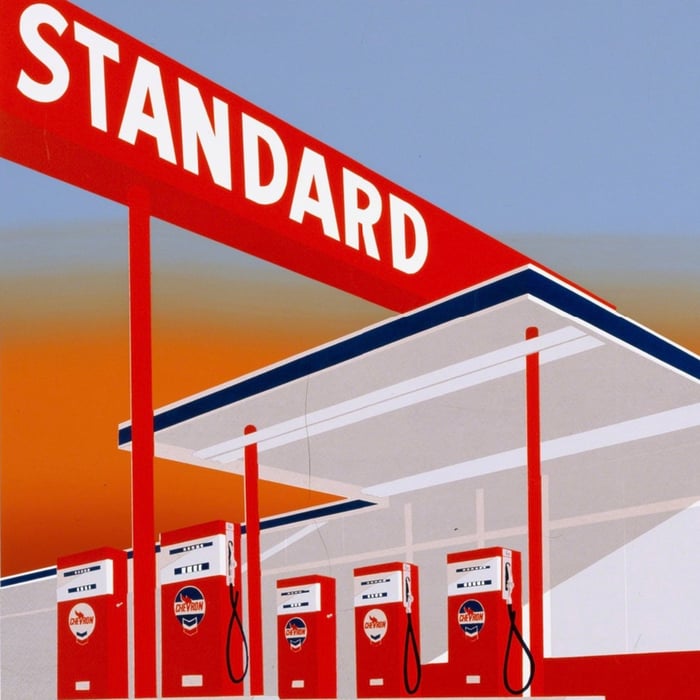

Pop Art is an art movement that began in Britain in 1955 and in the late 1950s in the U.S. It challenged traditional fine arts by incorporating imagery from popular culture, such as news, advertising, and comic books. Pop Art often isolates and recontextualizes materials, combining them with unrelated elements. The movement is more about the attitudes and ideas that inspired it than the specific art itself. Pop Art is seen as a reaction against the dominant ideas of Abstract Expressionism, bringing everyday consumer culture into the realm of fine art.

Anti-Art refers to artwork that challenges traditional definitions of art. The term is often attributed to artist Marcel Duchamp, who pioneered the use of readymades—everyday objects presented as art. These works defied conventional expectations that art should adhere to traditional or high art standards.

Abstract Expressionism is an art movement that emerged in the United States during the 1940s and 1950s. Characterized by large, abstract canvases, the movement emphasized spontaneous, expressive brushwork and the use of color and form to convey emotion rather than represent reality. Artists like Jackson Pollock, Mark Rothko, and Willem de Kooning are key figures in this movement. Abstract Expressionism marked a shift in the art world, making New York City a center of the international art scene.
Can't find your Answer?
Thank you! Your question has been sent — we'll get back to you shortly.
