
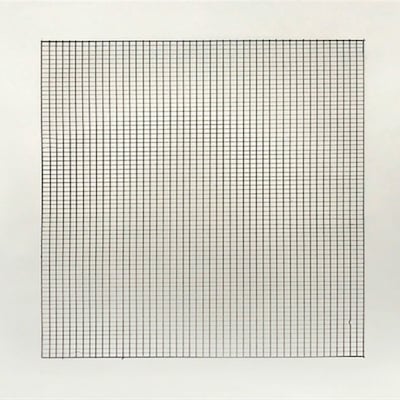
What is minimalism?
- Show All
- Established
- Discoveries
- Show All
Artworks Related to Minimalism
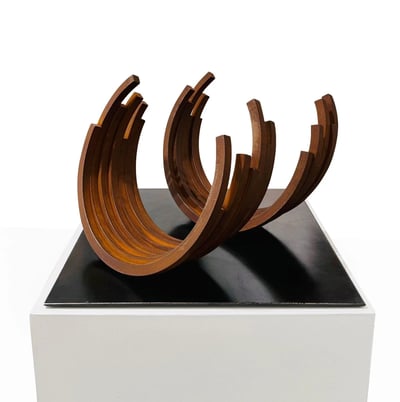
Bernar Venet
218.5 Arc x 13, 2007
Sculpture / Object
Metal
Currently Not Available
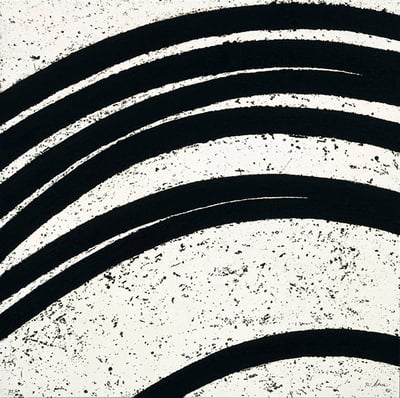
Richard Serra
Between the Torus and the Sphere III, 2006
Limited Edition Print
Etching
EUR 20,000 - 30,000

Richard Serra
Between the Torus and the Sphere IV, 2006
Limited Edition Print
Etching
EUR 20,000 - 30,000
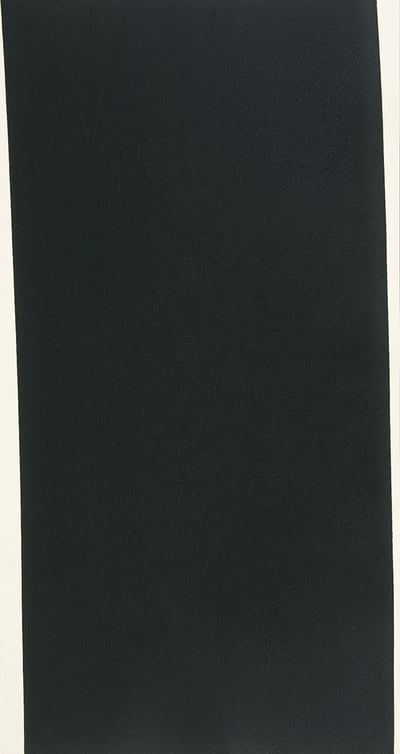
Richard Serra
Transversal #4, 2004
Limited Edition Print
Etching
EUR 35,000 - 50,000

Frank Stella
Gran Cairo (from multicolored squares), 1970
Limited Edition Print
Lithograph
Currently Not Available

Frank Stella
Moultonville, 1974
Limited Edition Print
Mixed Media
USD 7,625
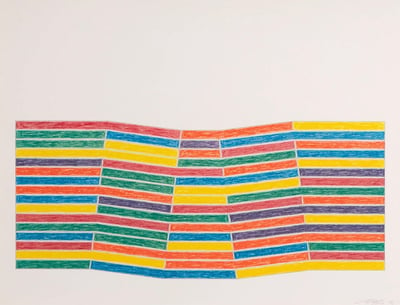
Frank Stella
Furg, 1975
Limited Edition Print
Mixed Media
Currently Not Available

Frank Stella
Noguchi's Okinawa Woodpecker, 1977
Limited Edition Print
Mixed Media
Inquire For Price
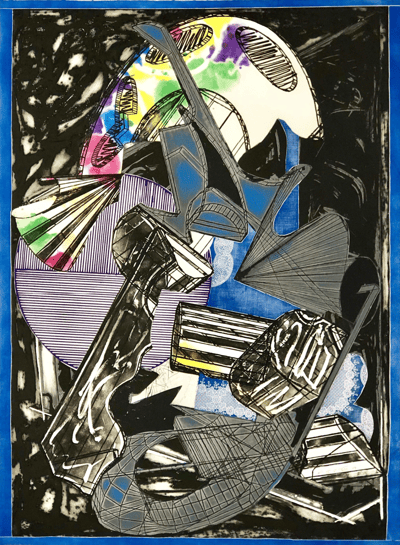
Frank Stella
Giuf à e la berretta rossa, 1989
Limited Edition Print
Mixed Media
USD 28,750

Frank Stella
Pergusa Three Double, 1984
Limited Edition Print
Mixed Media
USD 50,000 - 60,000
Frank Stella
Private Listing
Drawing / Watercolor
Frank Stella
Private Listing
Drawing / Watercolor
Frank Stella
Private Listing
Sculpture / Object

Frank Stella
Polar Co-ordinates VIII, from Polar Co-ordinates for Ronnie Peterson, 1980
Limited Edition Print
Mixed Media
Currently Not Available

Jasper Johns
Souvenir I, 1972
Limited Edition Print
Lithograph
Inquire For Price
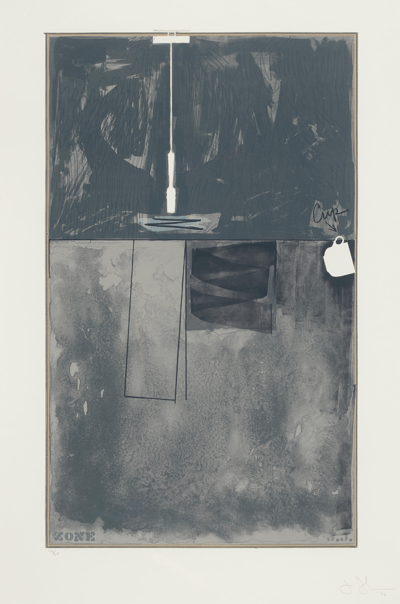
Jasper Johns
Zone, 1972
Limited Edition Print
Lithograph
Inquire For Price
Related Articles

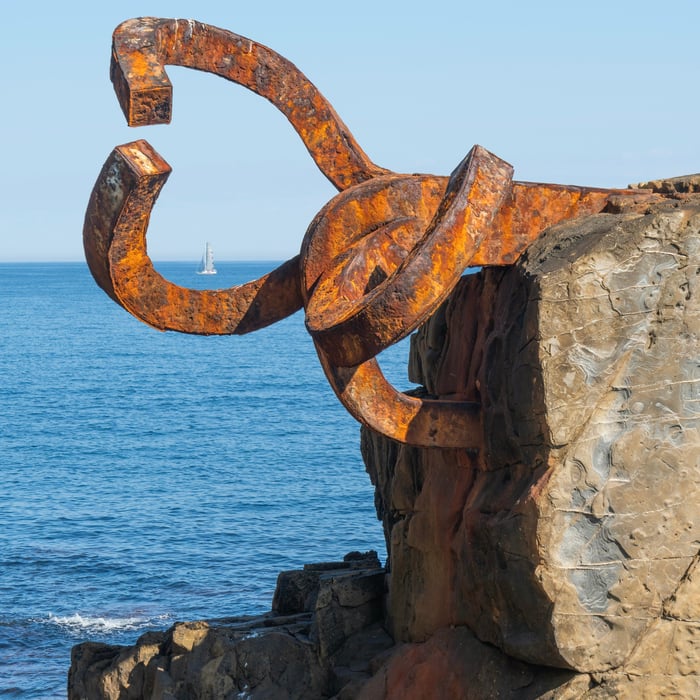


Lithography is a printing method based on the principle that water and oil do not mix. It can be used to print artwork or text onto paper or other suitable materials. Traditionally, an image was drawn with wax, fat, or oil onto a lithographic limestone surface or plate. Today, metal plates and other surfaces are also used in lithographic printing.
Ink is a colored liquid or paste used for writing, drawing, painting, and printing. The term also refers to the process of applying ink to mark, cover, stain, draw, or trace over pencil lines. Ink can be applied using various tools, such as pens, brushes, and quills.

Nouveau Réalisme is an artistic movement founded in 1960 by art critic Pierre Restany and painter Yves Klein during a collective exhibition at a gallery in Milan. Restany wrote the original manifesto in April 1960, proclaiming the movement. In October of that year, nine artists, including Martial Raysse, Yves Klein, Daniel Spoerri, Jean Tinguely, Arman, Pierre Restany, and three Ultra-Lettrists—Jacques de la Villeglé, François Dufrêne, and Raymond Hains—signed the declaration. In 1961, the movement expanded to include Mimmo Rotella, Niki de Saint Phalle, Gérard Deschamps, and César. The movement emphasized a return to reality in art, often incorporating everyday objects and exploring the boundaries between art and life.
Can't find your Answer?
Thank you! Your question has been sent — we'll get back to you shortly.
