
What is minimalism?
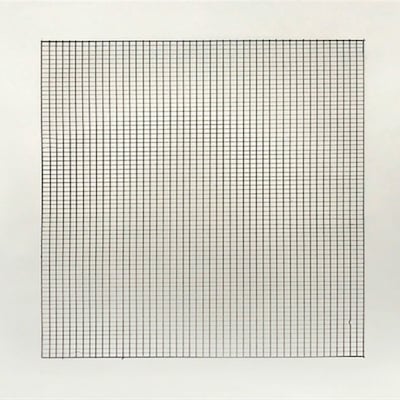
Minimalism is a style in music and visual arts characterized by pared-down designs and simplicity. It began in Western art after World War II, gaining prominence particularly in American visual arts. Minimalism draws heavily on aspects of modernism and is often viewed as a reaction against Abstract Expressionism, as well as a precursor to post-minimal art practices. Prominent minimalist artists include Agnes Martin, Donald Judd, Robert Morris, Frank Stella, and Dan Flavin.
Show All
- Show All
- Established
- Discoveries
Show All
- Show All
Artworks Related to Minimalism
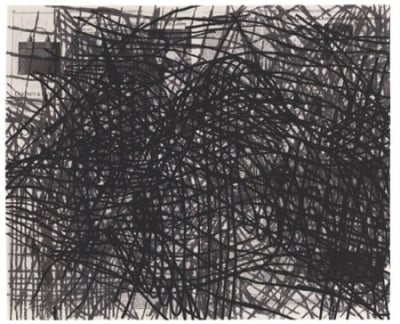
Terry Winters
Untitled (From the Doctors of the World portfolio) , 2001
Limited Edition Print
Digital Print on paper
Currently Not Available

Jasper Johns
Technics and Creativity, 1971
Limited Edition Print
Mixed Media
Currently Not Available
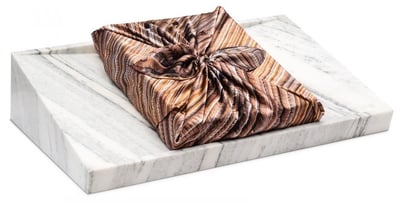
Weiwei Ai
The artist activist - Art edition
Limited Edition Print
Mixed Media
Currently Not Available
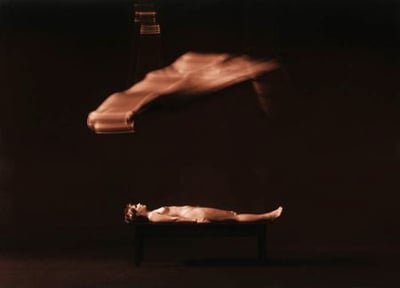
Jurgen Klauke
Bewusstseinserweiterung, 2001
Photography
C-Print
EUR 500
Related Articles



Hyperrealism is a genre of sculpture and painting that closely resembles high-resolution photographs. It is an evolution of Photorealism and is often applied to an independent art style or movement that became prominent in Europe and the United States in the early 2000s. Hyperrealist artists focus on extreme detail and precision, creating works that are often indistinguishable from real-life images.

Transavanguardia is the Italian version of Neo-Expressionism, referring to an art movement that emerged in Italy and other parts of Western Europe during the 1970s and 1980s. The term translates to beyond the avant-garde. Transavanguardia arose as a reaction against the dominance of conceptual art, reintroducing emotion and reviving painting as a primary medium. The movement marked a return to mythic imagery and figurative art, celebrating a rediscovery of traditional forms and themes in a contemporary context.
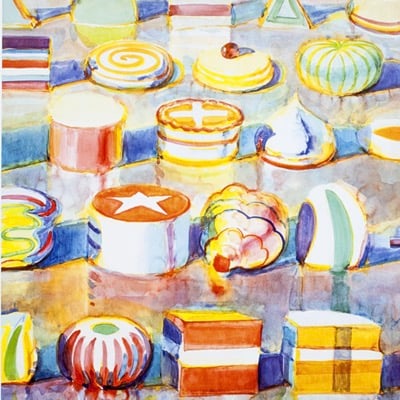
The Bay Area Figurative Movement, which also goes by the names Bay Area Figurative School, Bay Area Figurative Art, or Bay Area Figuration, came to existence in San-Francisco Bay Area. This was in the mid-20th century, when a group of artists from the area stopped working on the then popular Abstract Expressionism for a preference to figuration in painting. The movement lasted a total of two decades during the 1950's and 1960's.
Can't find your Answer?
Thank you! Your question has been sent — we'll get back to you shortly.
