
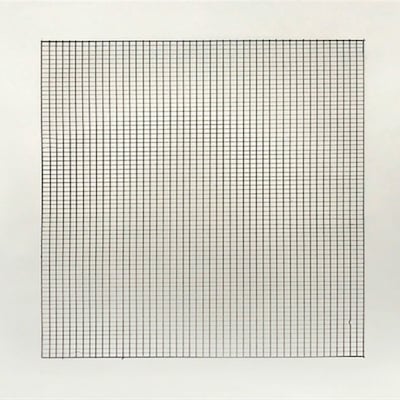
What is minimalism?
- Show All
- Established
- Discoveries
- Show All
Artworks Related to Minimalism

Antoni Clave
Feuilles, 1968
Limited Edition Print
Etching
EUR 1,880

Antoni Clave
Trobadors I, 1970
Limited Edition Print
Lithograph
EUR 1,350

Antoni Clave
Estels I, 1989
Limited Edition Print
Etching
EUR 2,250
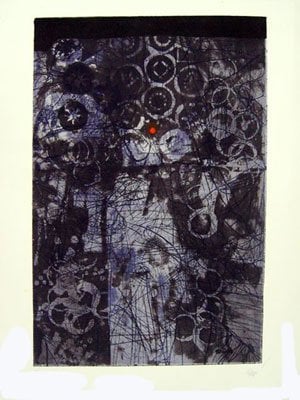
Antoni Clave
Etoiles et signes, 1968
Limited Edition Print
Etching and Aquatint
EUR 1,300

Antoni Clave
Hommage a domenikos- Cadre bleu, 1965
Limited Edition Print
Lithograph
EUR 1,250

Antoni Clave
Trobadors, 1970
Limited Edition Print
Lithograph
EUR 1,150

Antoni Clave
Feuilles I, 1975
Limited Edition Print
Mixed Media
EUR 1,250

Antoni Clave
Empreinte, 1967
Limited Edition Print
Aquatint
EUR 1,000
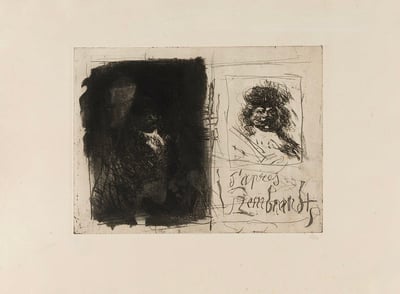
Antoni Clave
D'apres Rembrandt I-I, 1966
Limited Edition Print
Etching and Aquatint
EUR 1,150
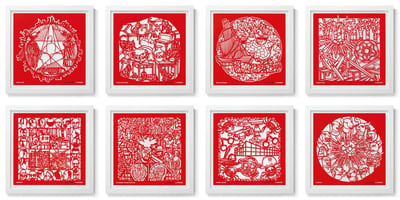
Weiwei Ai
The Papercut Portfolio, 2019
Limited Edition Print
Mixed Media
Currently Not Available
![1980 [Rings]](https://images.composition.gallery/cdn-cgi/image/width=400,fit=scale-down,format=auto,quality=85,onerror=redirect/52999/Sarah-MORRIS-1980-Rings-Silkscreen-available-for-sale-on-www1581882200.jpg)
Sarah Morris
1980 [Rings], 2009
Limited Edition Print
Silkscreen
Currently Not Available

John Baldessari
Triad, 2017
Limited Edition Print
Screen-print
USD 6,600

John Baldessari
Adam wasn't into it, 2017
Limited Edition Print
Screen-print
USD 6,600
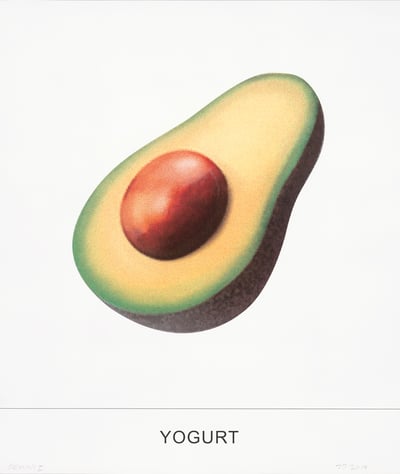
John Baldessari
Yogurt, 2017
Limited Edition Print
Screen-print
USD 6,600

John Baldessari
I have an elephant, 2017
Limited Edition Print
Screen-print
USD 6,600

John Baldessari
Truffle butter, 2017
Limited Edition Print
Screen-print
USD 6,600
Related Articles



An inkjet printer creates prints by spraying millions of tiny ink droplets onto paper. This type of printing is generally inexpensive because the ink is relatively affordable. Artists can use computers to create digital art, which can then be printed in color using inkjet technology.

The Light and Space Movement refers to loosely affiliated art movements connected to minimalism, geometric abstraction, and op art that originated in Southern California in the 1960s. Greatly influenced by artist John McLaughlin, these artists focused on sensory phenomena such as light, perception, and space as central elements of their work. They also incorporated cutting-edge technologies from the aerospace and engineering industries to develop light-filled and sensuous objects, creating immersive experiences that emphasize the viewer's perception.

Appropriation in art involves using pre-existing images or objects with little or no modification. This technique has played a significant role across various art forms, including visual arts, music, performance, and literature. In visual arts, appropriation refers to the practice of adopting, sampling, recycling, or borrowing elements—or even entire forms—of existing visual culture, integrating them into new works to create meaning or critique.
Can't find your Answer?
Thank you! Your question has been sent — we'll get back to you shortly.
