
What is minimalism?
- Show All
- Established
- Discoveries
- Show All
Artworks Related to Minimalism

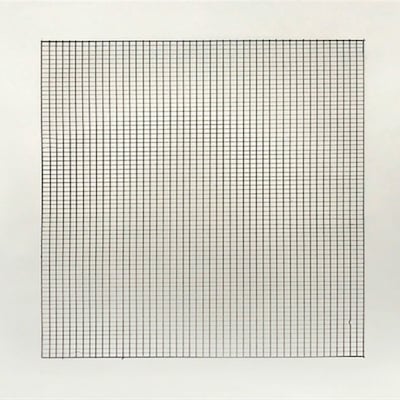
Pello Irazu
Untitled #1, 1985
Painting
Mixed Media
EUR 2,250

Jacob Kassay
Untitled 5/10 (Radikal), 2013
Limited Edition Print
Lithograph
EUR 5,500

Jacob Kassay
Untitled 1/10 (Radikal), 2013
Limited Edition Print
Lithograph
EUR 5,500

Jacob Kassay
Untitled 9/10 (Radikal), 2013
Limited Edition Print
Lithograph
EUR 5,500
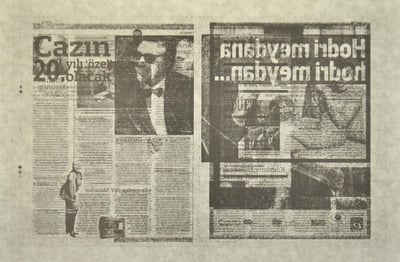
Jacob Kassay
Untitled 8/10 (Radikal), 2013
Limited Edition Print
Lithograph
EUR 5,500

Jacob Kassay
Untitled 2/10 (Radikal), 2013
Limited Edition Print
Lithograph
EUR 5,500

Jacob Kassay
Untitled 10/10 (Radikal), 2013
Limited Edition Print
Lithograph
EUR 5,500

Jacob Kassay
Untitled 3/10 (Radikal), 2013
Limited Edition Print
Lithograph
EUR 5,500

Jacob Kassay
Untitled 3/7 (Le Monde), 2013
Limited Edition Print
Lithograph
EUR 5,500

Jacob Kassay
Untitled 5/8 (La Opinión), 2013
Limited Edition Print
Lithograph
EUR 5,500

Joe Bradley
Untitled (Angular Face), 2014
Limited Edition Print
Ink
USD 1,300
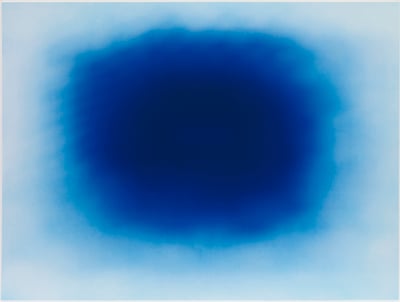
Anish Kapoor
Breathing Blue, 2020
Limited Edition Print
Digital Print on paper
GBP 5,300
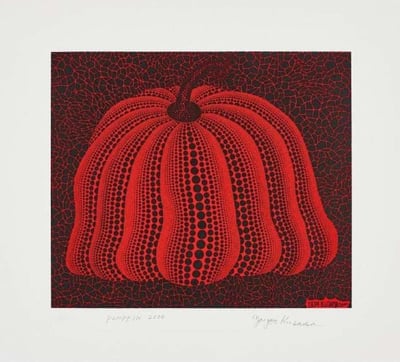
Yayoi Kusama
Pumpkin 2000 (Red), 2000
Limited Edition Print
Screen-print
Currently Not Available

Antoni Clave
En noir et jaune, 1969
Limited Edition Print
Mixed Media
EUR 950

Cornelia Parker
STOP, 2015
Sculpture / Object
Metalcut
GBP 1,200

Alison Wilding
Rising, 2001
Sculpture / Object
Resin
GBP 4,800
Related Articles



Computer printing involves using computer technology to reproduce fine art images as prints. In its basic form, this means creating digital versions of artwork that are printed onto paper. More advanced techniques allow artists to program computers to generate original art, which is then printed using various printing technologies.

The term medium in art refers both to the type of art being created and the materials used to make the artwork. For example, painting, printmaking, and sculpture are types of art that are referred to as mediums. The materials used in these mediums include oils, acrylics, inks, and clay.

Postminimalism refers to a range of art styles that emerged in the 1960s, following the Minimalism movement. While Minimalism focused on simplicity and impersonality, Postminimalist artists retained some elements of Minimalism but also explored greater expressiveness, experimenting with new materials and techniques. This movement includes various forms of art such as conceptual art, body art, performance art, process art, and site-specific works. Postminimalism represents a shift toward more personal, tactile, and process-oriented approaches to art-making.
Can't find your Answer?
Thank you! Your question has been sent — we'll get back to you shortly.
