
What is minimalism?
- Show All
- Established
- Discoveries
- Show All
Artworks Related to Minimalism

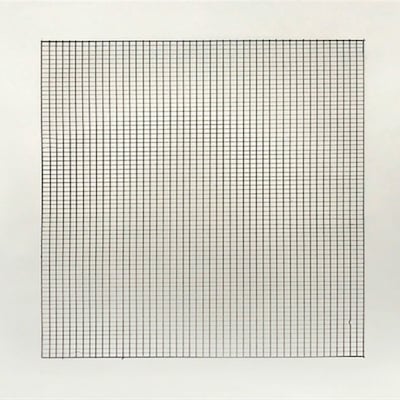
Bernar Venet
Position of three major arcs of 265.5° each, 1981
Limited Edition Print
Mixed Media
EUR 3,700

David Batchelor
Chromoscape 1-10, 2018
Limited Edition Print
Lithograph
EUR 1,200
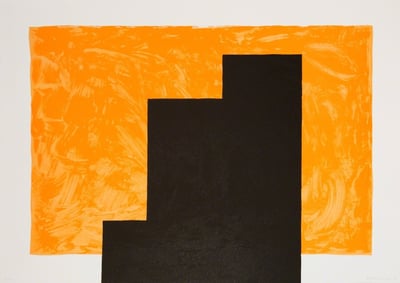
David Batchelor
Chromoscape 2-10, 2018
Limited Edition Print
Lithograph
EUR 1,200
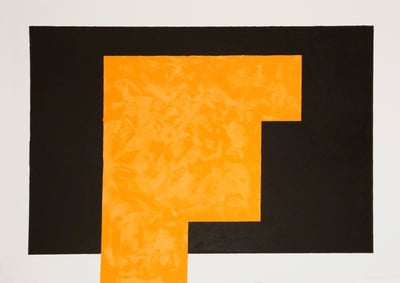
David Batchelor
Chromoscape 7-10, 2018
Limited Edition Print
Lithograph
EUR 1,200

David Batchelor
Chromoscape 4-10, 2018
Limited Edition Print
Lithograph
EUR 1,200
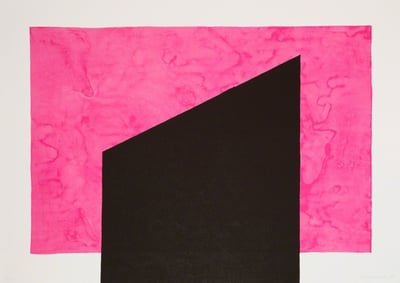
David Batchelor
Chromoscape 5-10, 2018
Limited Edition Print
Lithograph
EUR 1,200

David Batchelor
Chromoscape 3-10, 2018
Limited Edition Print
Lithograph
EUR 1,200

David Batchelor
Chromoscape 8-10, 2018
Limited Edition Print
Lithograph
EUR 1,200
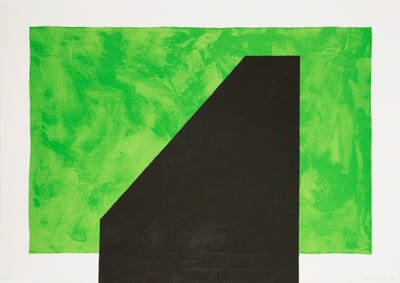
David Batchelor
Chromoscape 9-10, 2018
Limited Edition Print
Lithograph
EUR 1,200

David Batchelor
Chromoscape 10-10, 2018
Limited Edition Print
Lithograph
EUR 1,200

David Batchelor
Chromoscape Grey, 2018
Limited Edition Print
Lithograph
EUR 1,200

Regine Schumann
Colormirror Soft Yellow Gent, 2021
Sculpture / Object
Acrylic sculpture
EUR 4,000
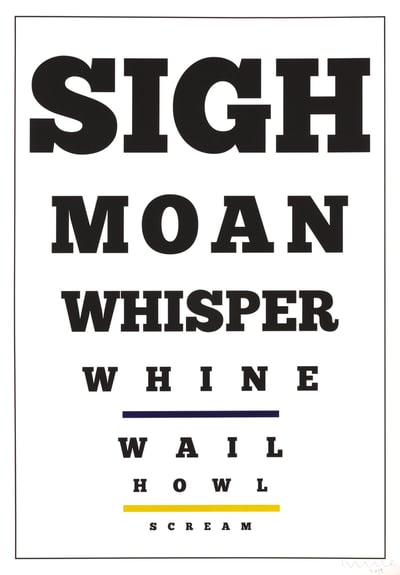
Ivan Navarro
Carta Visual (Sign), 2019
Limited Edition Print
Lithograph
EUR 2,000

Pello Irazu
Untitled #4, 1985
Painting
Mixed Media
EUR 2,250
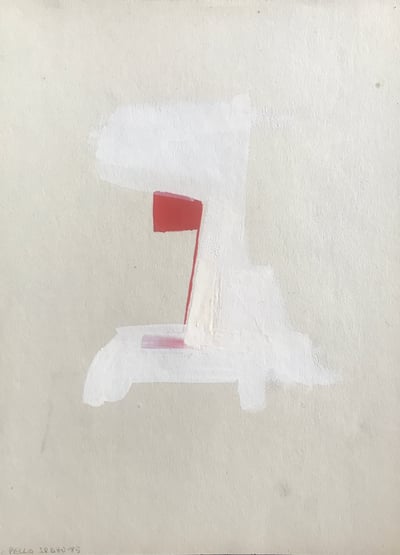
Pello Irazu
Untitled #3, 1985
Painting
Mixed Media
EUR 2,250

Pello Irazu
Untitled #2, 1985
Painting
Mixed Media
EUR 2,250
Related Articles

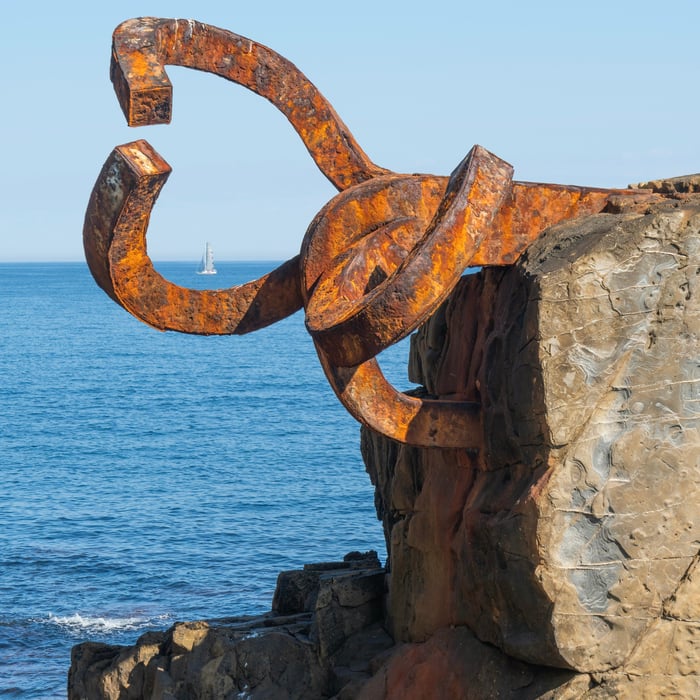

Futurism was an early 20th-century art movement that sought to capture the energy and dynamism of the modern world. The movement was launched by Italian poet Filippo Tommaso Marinetti, who published the Manifesto of Futurism on February 20, 1909. Futurism denounced the past and passionately embraced technology, industry, and the speed of modern life.

Entropy, in a broader sense, refers to the inevitable deterioration or decline of a society or system. In art, the concept was popularized by artist Robert Smithson in the 1960s. He used the term to critique what he saw as the static and overly simplified nature of contemporary minimalist art. Smithson's work often explored the idea of entropy as a force of chaos and decay, contrasting with the perceived order and purity of minimalist works.

Etching is a technique where a design is created on a metal surface by using a strong acid or mordant to eat away the unprotected parts of the metal, leaving the desired pattern in relief (intaglio). In modern art and manufacturing, different chemicals may be used depending on the material being etched.
Can't find your Answer?
Thank you! Your question has been sent — we'll get back to you shortly.
