
What is minimalism?
- Show All
- Established
- Discoveries
- Show All
Artworks Related to Minimalism

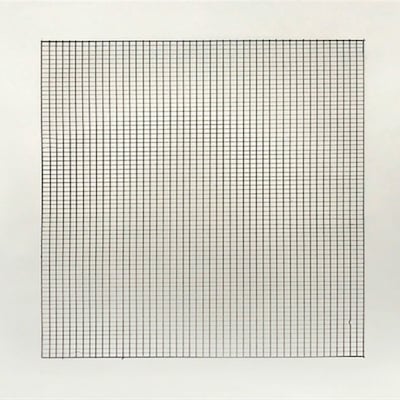
Allan D'Arcangelo
Beginnings, 1975
Limited Edition Print
Mixed Media
USD 1,500

John Baldessari
Dustin Hoffman, 2018
Limited Edition Print
Embossing
Currently Not Available

Anish Kapoor
Red shadows 2, 2016
Limited Edition Print
Etching
Currently Not Available
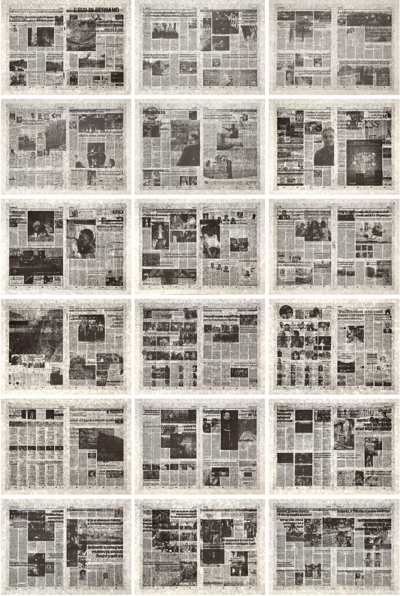
Jacob Kassay
L'eco di Bergamo , 2014
Limited Edition Print
Lithograph
EUR 90,000 - 110,000

Sarah Morris
Geigy (Clips), 2011
Limited Edition Print
C-Print
Currently Not Available
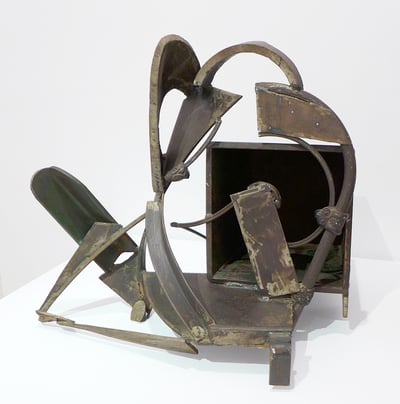
Anthony Caro
Table Piece Y-30, 1984
Sculpture / Object
Object
Inquire For Price
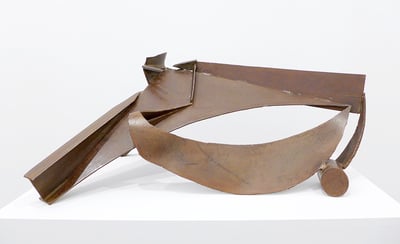
Anthony Caro
Table Piece Z-39, 1981
Sculpture / Object
Object
Inquire For Price
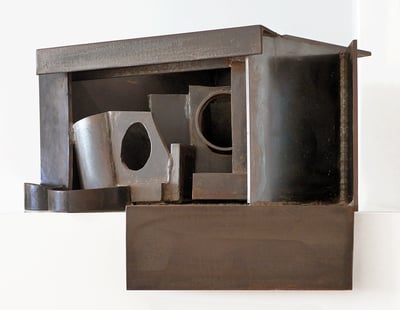
Anthony Caro
Table piece S-13, 1994
Sculpture / Object
Object
Inquire For Price
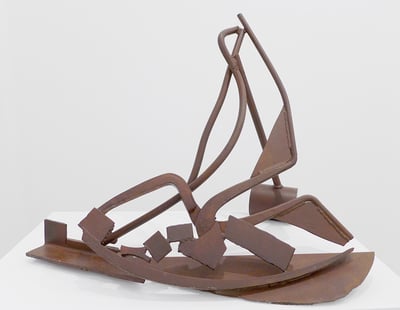
Anthony Caro
Low Table Piece CCCCXXXI, 1977
Sculpture / Object
Object
Inquire For Price
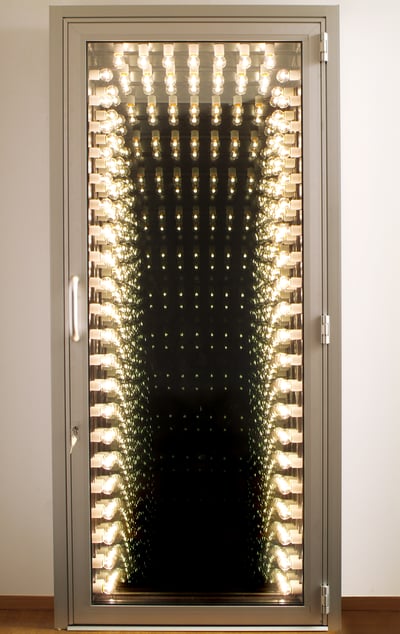
Ivan Navarro
There is Hole in the Spectacle, 2006
Sculpture / Object
Mixed Media
EUR 54,000 - 64,000

Eva Rothschild
Eclipse (Red), 2021
Limited Edition Print
Etching and Aquatint
EUR 2,000

Eva Rothschild
Eclipse (Black), 2021
Limited Edition Print
Etching and Aquatint
EUR 2,000

Ivan Navarro
Sopa de letras, 2021
Limited Edition Print
Lithograph
EUR 1,600

Ellsworth Kelly
Tournes , 1973-76
Limited Edition Print
Lithograph
USD 15,000 - 19,000
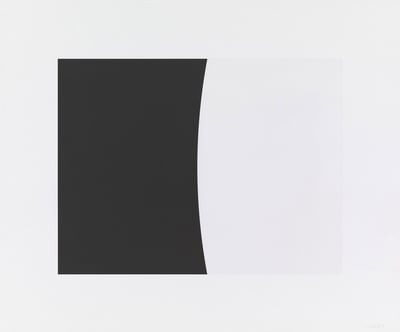
Ellsworth Kelly
Germigny , 1973-76
Limited Edition Print
Lithograph
USD 15,000 - 19,000
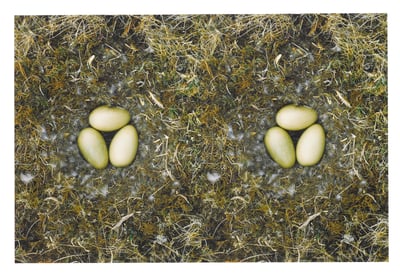
Roni Horn
To Nest, Number 5, 1997 / 2001
Limited Edition Print
Mixed Media
Currently Not Available
Related Articles

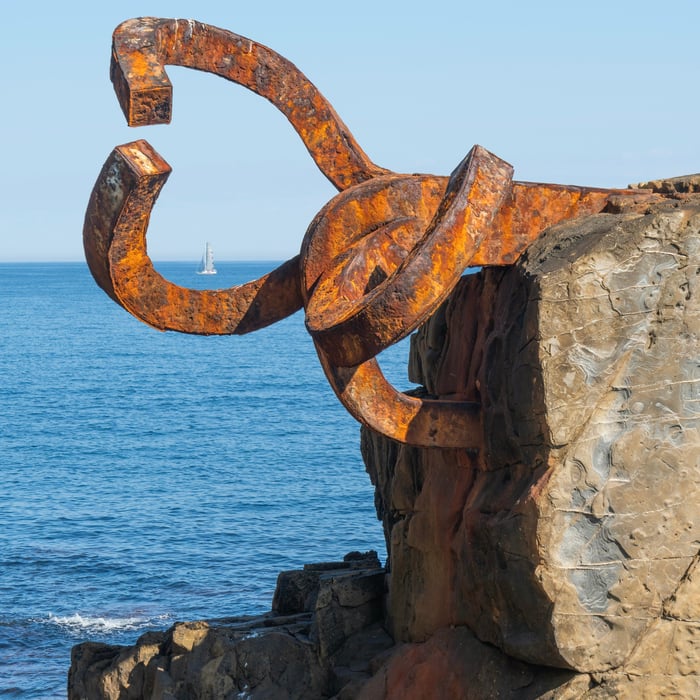


Original artwork is art that stems directly from the personal inspiration and creativity of an artist. It is not a direct copy of another artist’s work, though it may be inspired by it. The subject matter can be similar, but it cannot be an exact replication. The term also refers to a unique piece, as opposed to a multiple or edition.

Assemblage is an artistic process involving the combination of three-dimensional objects to create a work of art. The term, which originates from the French word for assembly, often involves the use of found objects like leaves, stones, discarded items, or recycled materials. These objects are arranged creatively to form a unique and often thought-provoking artwork.

ZERO was an art movement founded by Otto Piene and Heinz Mack, aiming to develop into a large international and cross-border movement. The name ZERO originated from a magazine founded by Heinz Mack in 1957, which became a platform for the group's ideas. The magazine was published for several years before ceasing in 1967. The ZERO movement sought to create a new beginning in art, emphasizing light, space, and movement, and became influential in post-war European art.
Can't find your Answer?
Thank you! Your question has been sent — we'll get back to you shortly.
