
What is minimalism?
- Show All
- Established
- Discoveries
- Show All
Artworks Related to Minimalism

Charles Hinman
Malchite, 2014
Limited Edition Print
Silkscreen
USD 3,090

Charles Hinman
Aragonite, 2014
Limited Edition Print
Silkscreen
USD 3,090

Charles Hinman
Citrine, 2014
Limited Edition Print
Silkscreen
USD 3,090

Charles Hinman
Carnelian, 2014
Limited Edition Print
Silkscreen
USD 3,090

Charles Hinman
Agate, 2014
Limited Edition Print
Silkscreen
USD 3,090

Charles Hinman
Chrysoprase, 2014
Limited Edition Print
Silkscreen
USD 3,090

Charles Hinman
Aventurine, 2014
Limited Edition Print
Silkscreen
Currently Not Available

Charles Hinman
Jasper, 2014
Limited Edition Print
Silkscreen
USD 3,090

Charles Hinman
Lapis, 2014
Limited Edition Print
Silkscreen
USD 3,090

Charles Hinman
Amazonite, 2014
Limited Edition Print
Silkscreen
USD 3,090

Charles Hinman
Oblique Fault, 2012
Limited Edition Print
Silkscreen
USD 3,670

Charles Hinman
Echelon Fault, 2012
Limited Edition Print
Silkscreen
USD 3,670

Charles Hinman
Acclivity, 2012
Limited Edition Print
Silkscreen
USD 3,670

Charles Hinman
Declivity, 2012
Limited Edition Print
Silkscreen
USD 3,670

Charles Hinman
Lavender Triangle, 2012
Limited Edition Print
Silkscreen
USD 3,670

Charles Hinman
Orange Triangle, 2012
Limited Edition Print
Silkscreen
USD 3,670
Related Articles

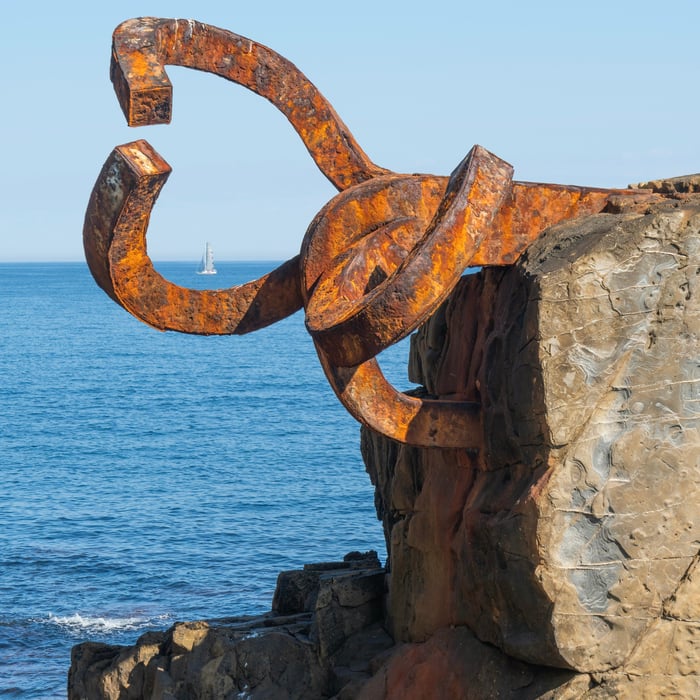

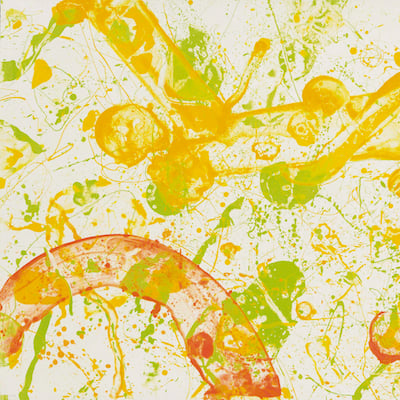
Tachisme is a French abstract painting style that gained popularity between 1940 and 1950, often seen as the European counterpart to Abstract Expressionism. However, there are stylistic differences between the two. Tachisme, which emerged from Art Informel, rejected geometric abstraction in favor of more intuitive and spontaneous expression. It was a reaction against the structured forms of Cubism and is closely related to Informalism. Tachisme emphasizes gestural brushwork, irregular forms, and a focus on the process of painting itself.
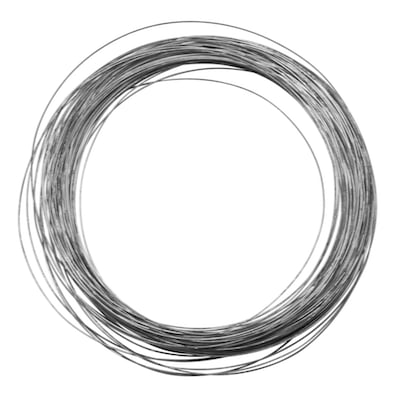
Wire is a single strand or rod of flexible metal. It has been used since ancient times to make chains and jewelry decorations. Wire comes in various thicknesses and can be bent, braided, and cut using wire tools to create sculptures, assemblages, and mobiles. Different metals, such as copper, aluminum, and steel, are commonly used for wire art.
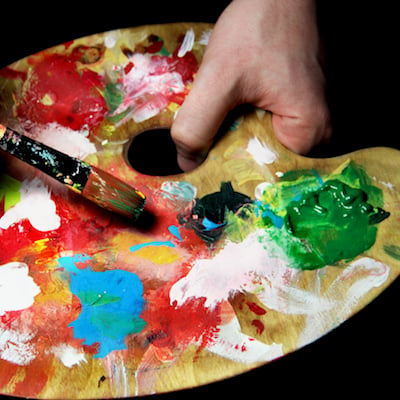
Oil on board is a painting technique where oil paint is applied to either wood panels that have been sanded and primed or high-density cardboard covered with canvas. These surfaces offer the advantage of being more compact for storage compared to traditional stretched canvas on frames, while still providing a stable surface for painting.
Can't find your Answer?
Thank you! Your question has been sent — we'll get back to you shortly.
