
What is minimalism?
- Show All
- Established
- Discoveries
- Show All
Artworks Related to Minimalism
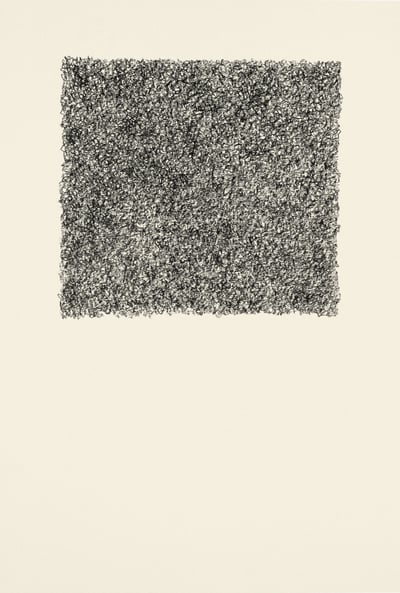
León Ferrari
Sin título 3, 2008
Limited Edition Print
Lithograph
EUR 1,000
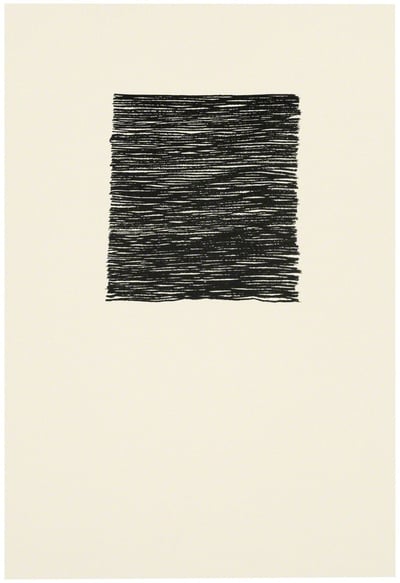
León Ferrari
Sin título 2, 2008
Limited Edition Print
Lithograph
EUR 1,000
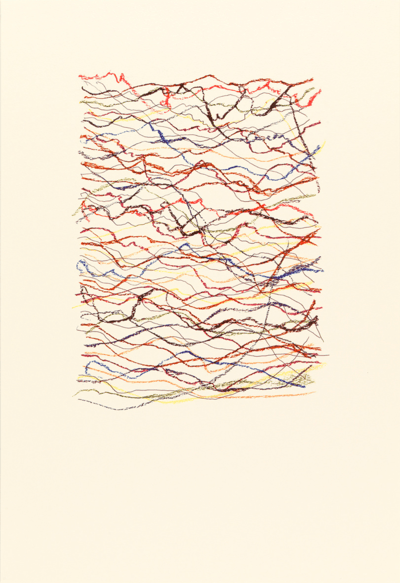
León Ferrari
Mod. 14, 2009
Limited Edition Print
Lithograph
EUR 1,000

León Ferrari
Árbol embarazador, 2009
Limited Edition Print
Lithograph
EUR 1,000

León Ferrari
A un lado por la izquierda, 2009
Limited Edition Print
Lithograph
EUR 1,000

León Ferrari
Swish and swallow, 2009
Limited Edition Print
Lithograph
Currently Not Available

León Ferrari
Mod. 9, 2009
Limited Edition Print
Lithograph
EUR 1,000

León Ferrari
Mod. 8, 2009
Limited Edition Print
Lithograph
EUR 1,000

León Ferrari
Mod. 7, 2009
Limited Edition Print
Lithograph
Currently Not Available

León Ferrari
Mod. 6, 2009
Limited Edition Print
Lithograph
EUR 1,000

León Ferrari
Mod. 5, 2009
Limited Edition Print
Lithograph
EUR 1,000

Ivan Navarro
Carta visual (Rise), 2019
Limited Edition Print
Lithograph
Currently Not Available

Susan Hiller
Study for 'The Self in the Digital Age', 2013
Photography
Archival Print
GBP 1,150

Olivier Mosset
Without Title, 2018
Limited Edition Print
Lithograph
EUR 2,000

Vija Celmins
Spider-web, 2009
Limited Edition Print
Screen-print
USD 6,500

Jurgen Klauke
The Big Sleep 3
Limited Edition Print
Screen-print
EUR 1,700
Related Articles


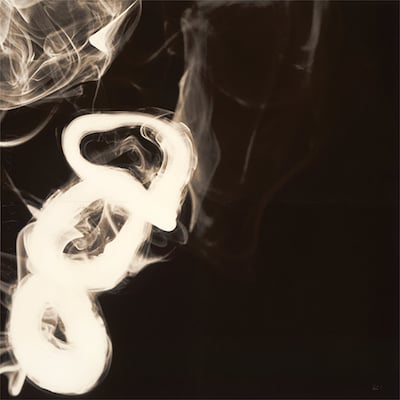
An archival print refers to a fine art reproduction of museum quality, created using the highest quality materials and methods. These prints are produced on the finest papers and with inks specifically designed to resist color fading over time. Drawings and paintings are reproduced using a fine art printer with exceptionally high resolution, ensuring longevity and preservation of the artwork.

Matter painting is a technique that involves blending thick impasto paints with materials like cement, mud, sand, or shells. The term first emerged in the 1950s to describe the works of Belgian and Dutch painters who explored the physical properties of painting materials and the different ways paint could be manipulated. This approach emphasizes texture and the tactile qualities of the surface, creating a sculptural effect on the canvas.
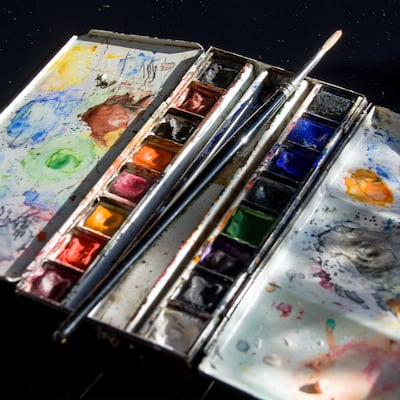
Watercolor refers to both the medium and the resulting artwork created using pigments suspended in a water-soluble vehicle. Watercolors are known for their luminous, transparent appearance because the pigments are applied in pure form with minimal fillers. By adding Chinese white, the watercolor can become opaque, resembling gouache.
Can't find your Answer?
Thank you! Your question has been sent — we'll get back to you shortly.
