

What is pop-art?
- Show All
- Established
- Discoveries
- Show All
Artworks Related to Pop art
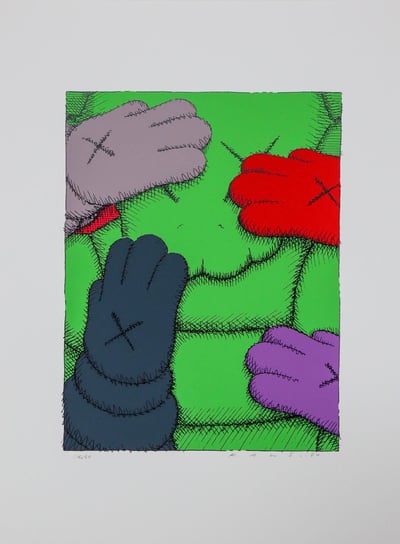
KAWS
Untitled III (Urge), 2020
Limited Edition Print
Silkscreen
USD 7,000 - 10,000
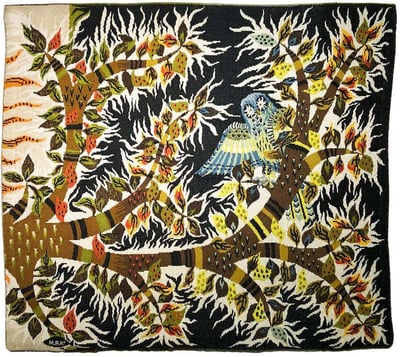
Man Ray
Nocturnal, c.1960
Tapestry
Tapestry
Currently Not Available
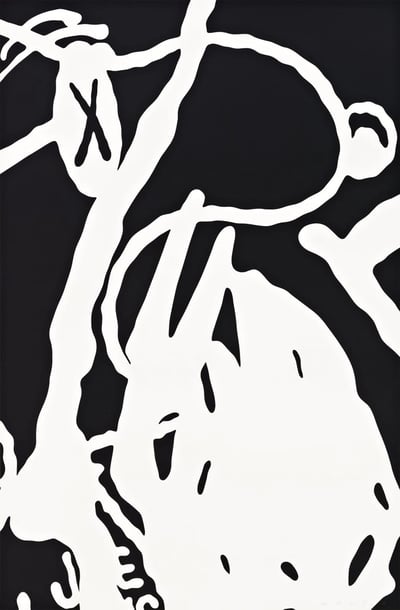
KAWS
Man's Best Friend #9, 2016
Limited Edition Print
Screen-print
GBP 8,990
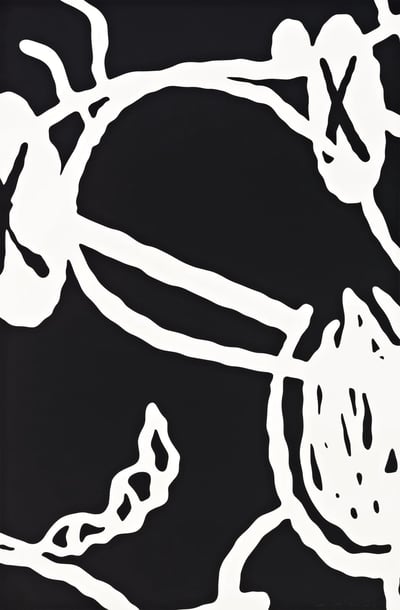
KAWS
Man's Best Friend #7, 2016
Limited Edition Print
Screen-print
GBP 8,990
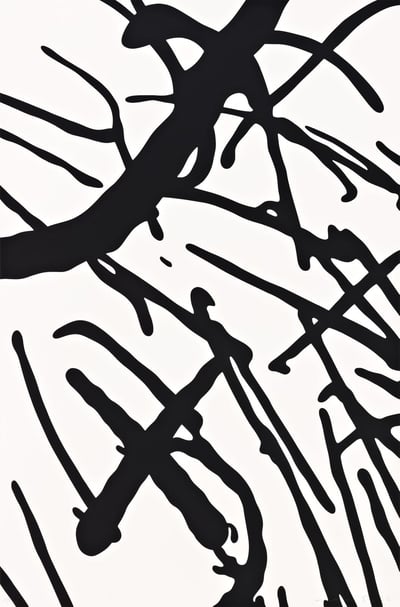
KAWS
Man's Best Friend #6, 2016
Limited Edition Print
Screen-print
GBP 8,990

Donald Sultan
Still Life with Peach, 1987
Limited Edition Print
Serigraph
Inquire For Price

Mr. Brainwash
We are all in this Together (Blue), 2017
Limited Edition Print
Silkscreen
Inquire For Price

Jim Dine
A Night Woodcut, 1982
Limited Edition Print
Woodcut
Inquire For Price
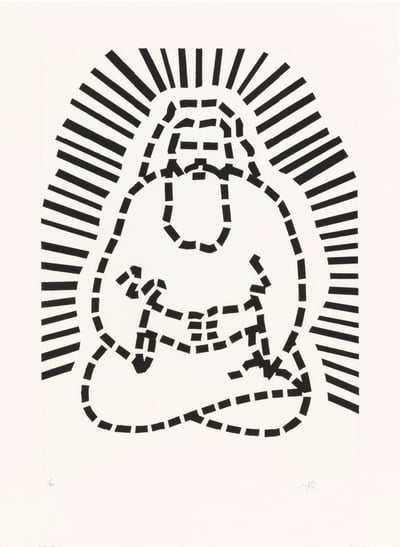
Roy Lichtenstein
Passage Du Nord-ouest, 1992
Limited Edition Print
Etching and Aquatint
USD 10,400

Jeff Koons
Balloon Rabbit (Violet), 2019
Sculpture / Object
Mixed Media
USD 11,900

Jim Dine
The New Year's Tree, 1985
Limited Edition Print
Lithograph
USD 2,500

Richard Prince
Dude Ranch Nurse, 2008
Limited Edition Print
Mixed Media
GBP 7,500 - 10,000
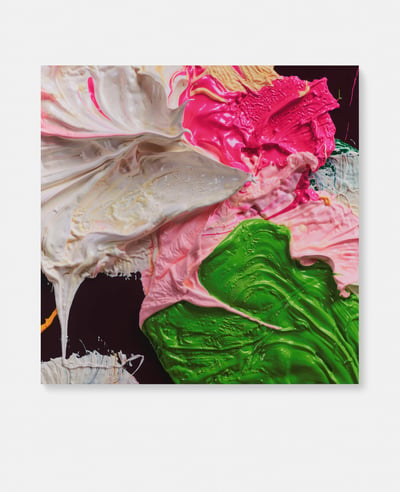
Damien Hirst
Forever, large, 2020
Limited Edition Print
Mixed Media
GBP 2,340
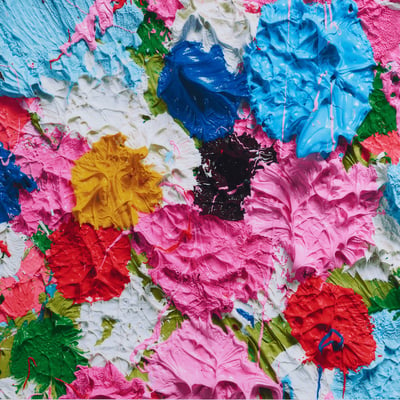
Damien Hirst
Fruitful, small, 2020
Limited Edition Print
Mixed Media
GBP 1,800

Damien Hirst
Quinizarian, 2011
Limited Edition Print
Woodcut
GBP 15,750
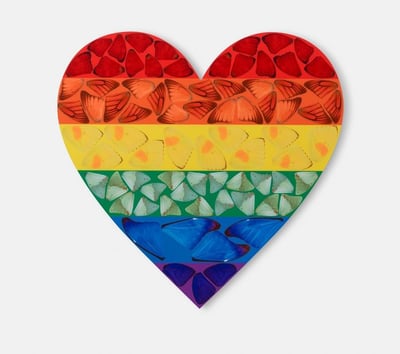
Damien Hirst
Rainbow Heart (small), 2020
Limited Edition Print
Mixed Media
GBP 5,150
Related Articles


Wax is a solid material derived from plant, animal, and petroleum sources. It is used to protect paints from wear, create sculptures, make wax crayons and colored pencils, and for encaustic painting. In encaustic painting, colored beeswax is shaped with special tools to create textured, raised surfaces.

Situationism is a psychological theory that gained prominence in 1968, following the publication of a monograph by Walter Mischel that sparked the Person-situation debate. This theory argues that behavior is primarily influenced by external situational factors rather than internal traits or motivations, challenging the ideas of trait theorists like Raymond B. Cattell and Hans Eysenck, who emphasized stable personality traits. It is important not to confuse this with the Situationist International movement, an artistic and political movement founded by Asger Jorn, which focused on the critique of modern consumer society and the influence of environments on human behavior.

Cubism is an art movement that aimed to depict multiple perspectives of objects or figures within a single picture. Artists Georges Braque and Pablo Picasso pioneered this style around 1907. The name Cubism emerged from their use of geometric shapes and outlines that often resembled cubes, breaking objects down into abstracted forms.
Can't find your Answer?
Thank you! Your question has been sent — we'll get back to you shortly.
