

What is pop-art?
- Show All
- Established
- Discoveries
- Show All
Artworks Related to Pop art
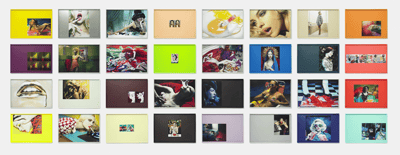
Miles Aldridge
Carousel (portfolio of 32 works), 2013
Limited Edition Print
Mixed Media
USD 11,950
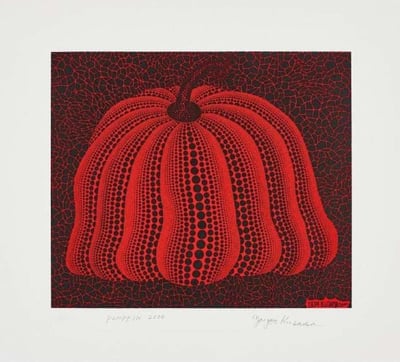
Yayoi Kusama
Pumpkin 2000 (Red), 2000
Limited Edition Print
Screen-print
Currently Not Available
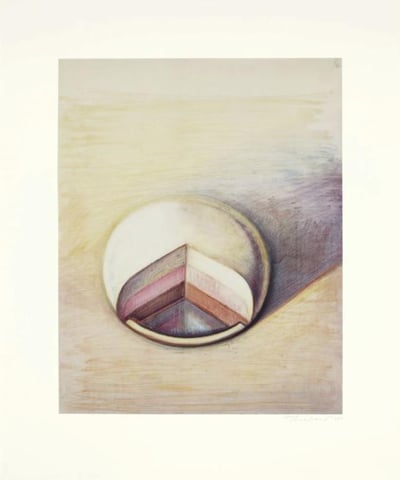
Thiebaud Wayne
Neapolitan Pie, 1990
Limited Edition Print
Lithograph
GBP 25,000 - 30,000

Donald Sultan
Wallflowers (aqua on dark green), 2018
Limited Edition Print
Screen-print
USD 9,000 - 12,000

Donald Sultan
Wallflowers (black on aqua), 2018
Limited Edition Print
Screen-print
USD 9,000 - 12,000

Mel Ramos
Hunt for the Best , 2013
Limited Edition Print
Lithograph
EUR 4,800

Mel Ramos
HAV-A-HAVANNA #6 (COHIBA 2), 2005
Limited Edition Print
Lithograph
EUR 6,000
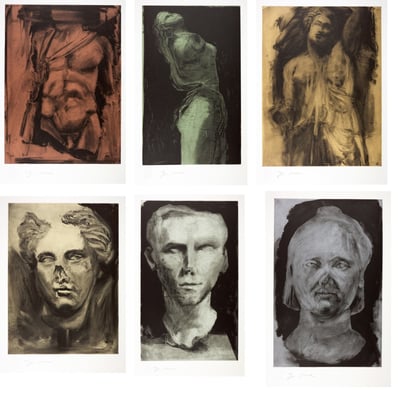
Jim Dine
Glyptotek (set of 6 works), 1988
Limited Edition Print
Mixed Media
Inquire For Price
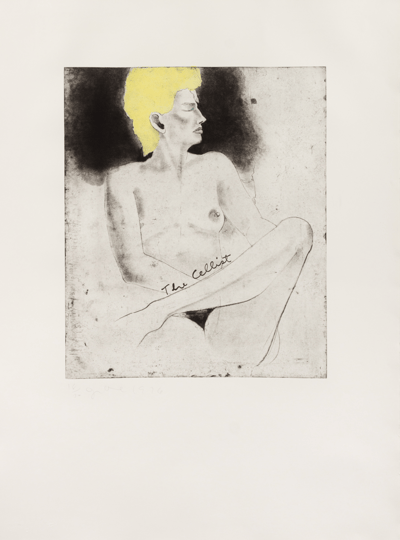
Jim Dine
The Cellist, 1976
Limited Edition Print
Etching
USD 1,650
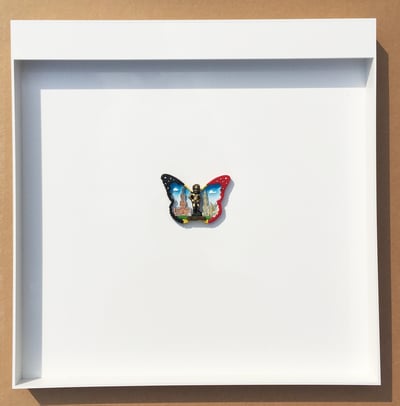
Jonathan Monk
Backside Brussels I, 2016
Sculpture / Object
Acrylic sculpture
EUR 800
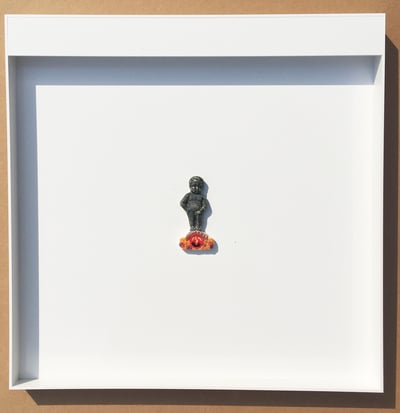
Jonathan Monk
Backside Brussels II, 2016
Sculpture / Object
Acrylic sculpture
EUR 800
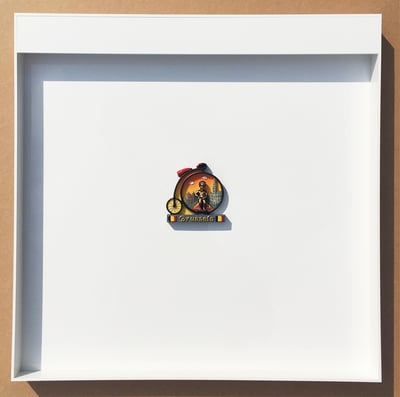
Jonathan Monk
Backside Brussels III, 2016
Sculpture / Object
Acrylic sculpture
EUR 800
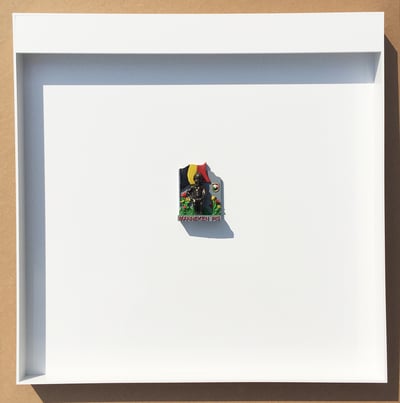
Jonathan Monk
Backside Brussels IV, 2016
Sculpture / Object
Acrylic sculpture
EUR 800

Mr. Brainwash
VW Beetle Blue, 2020
Limited Edition Print
Screen-print
EUR 2,500

Mr. Brainwash
VW Beetle Pink, 2020
Limited Edition Print
Screen-print
EUR 2,500

Mel Ramos
Lola Cola - The Pause That Refreshes #2 , 2005
Limited Edition Print
Lithograph
EUR 5,000
Related Articles


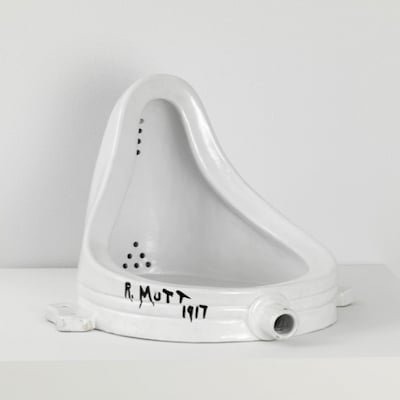
Anti-Art refers to artwork that challenges traditional definitions of art. The term is often attributed to artist Marcel Duchamp, who pioneered the use of readymades—everyday objects presented as art. These works defied conventional expectations that art should adhere to traditional or high art standards.
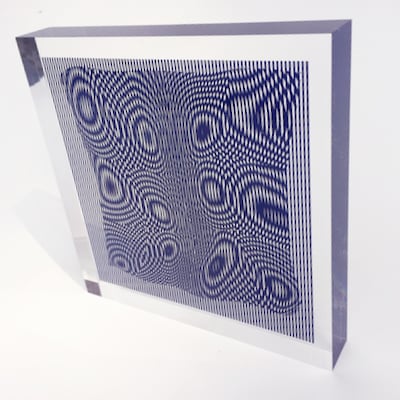
Acrylic sculpture refers to both a process and the resulting object. The artist begins by creating a sculpture from clay, plaster, or epoxy, which is then used to make a flexible mold. Melted acrylic is poured into the mold, and once it cures, the acrylic piece is hand-finished through sanding and polishing. Acrylic sculptures are valued for their clarity, durability, and ability to achieve intricate details.
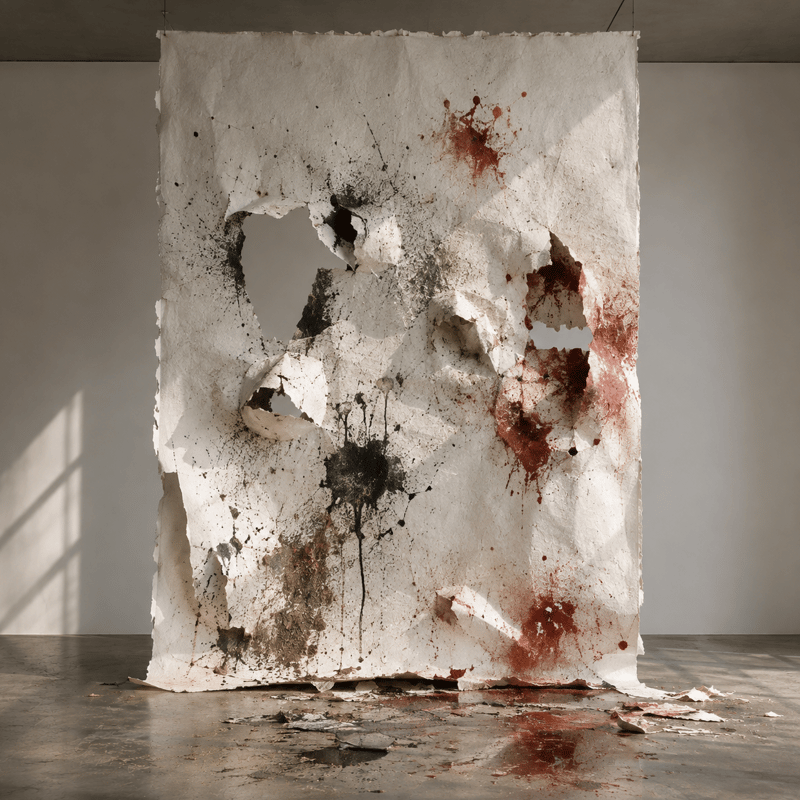
Gutai was a group of Japanese radical artists who formed the Gutai Art Association in 1954. The word Gutai translates to embodiment. The group was known for creating art on the spot for live audiences, often incorporating their own physical movements. Their performances included actions like throwing paint, piercing paper, and rolling in mud, emphasizing the direct interaction between the body and the material.
Can't find your Answer?
Thank you! Your question has been sent — we'll get back to you shortly.
