

What is pop-art?
- Show All
- Established
- Discoveries
- Show All
Artworks Related to Pop art
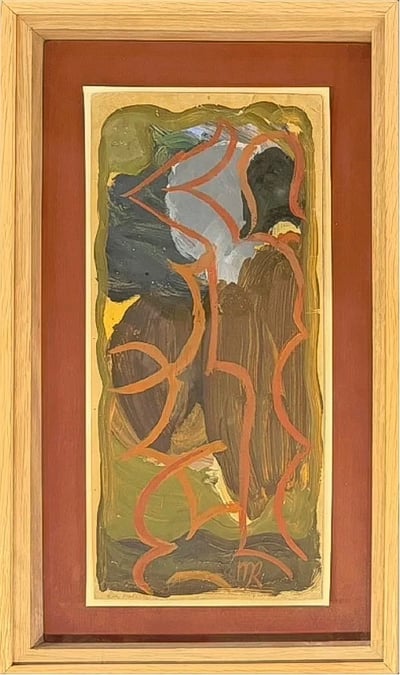
Man Ray
La Palette, 1944
Painting
Oil on paper
Inquire For Price
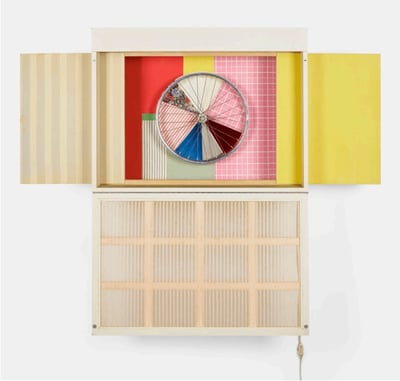
Robert Rauschenberg
Publicon Station IV, 1978
Sculpture / Object
Mixed Media
USD 34,000 - 50,000
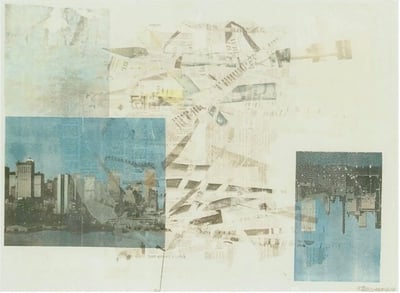
Robert Rauschenberg
Bait (Stoned Moon Series), 1982
Drawing / Watercolor
Mixed Media
Inquire For Price
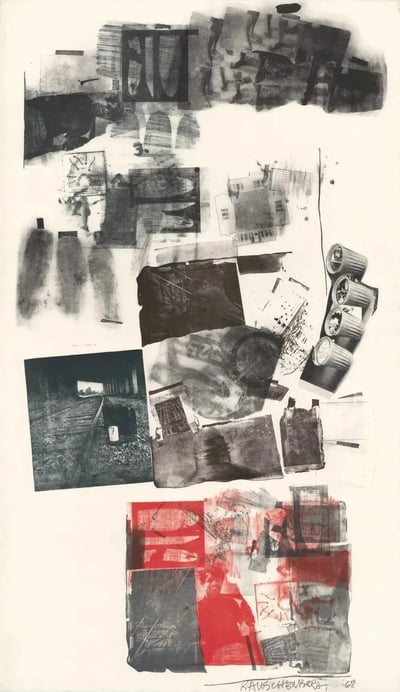
Robert Rauschenberg
Water Stop, 1968
Limited Edition Print
Lithograph
Inquire For Price

Julian Opie
Four Parking Tickets, 1984
Sculpture / Object
Assemblage
Inquire For Price

Javacheff Christo
Package on Wheelbarrow (project), 1963-2000
Drawing / Watercolor
Crayon
Inquire For Price

Larry Rivers
Golden Tales, 1990
Limited Edition Print
Lithograph
Inquire For Price

Andy Warhol
Flowers (Black and White), FS II.101, 1974
Limited Edition Print
Screen-print
USD 10,750

Andy Warhol
Mao (F & S II.90), 1972
Limited Edition Print
Screen-print
Inquire For Price
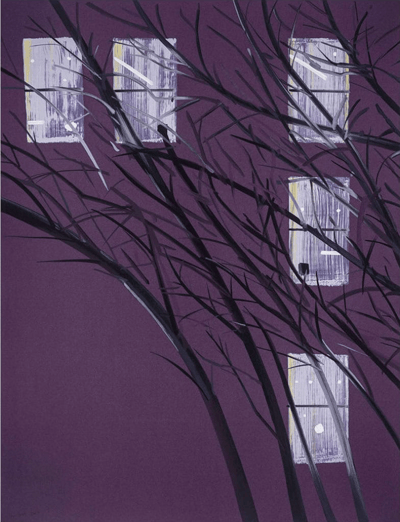
Alex Katz
Purple Wind, 2017
Limited Edition Print
Silkscreen
USD 17,750

Julian Opie
Ika (2), 2011
Limited Edition Print
Inkjet print
USD 14,000 - 16,000

Julian Opie
Ika (1), 2011
Limited Edition Print
Inkjet print
USD 14,000 - 16,000

Julian Opie
Mirjam, 2011
Limited Edition Print
Inkjet print
USD 13,000 - 15,000

Julian Opie
Felicia 1, 2011
Limited Edition Print
Inkjet print
USD 14,000 - 16,000

Andy Warhol
Gertrude Stein (FS II.227), 1980
Limited Edition Print
Screen-print
USD 16,500
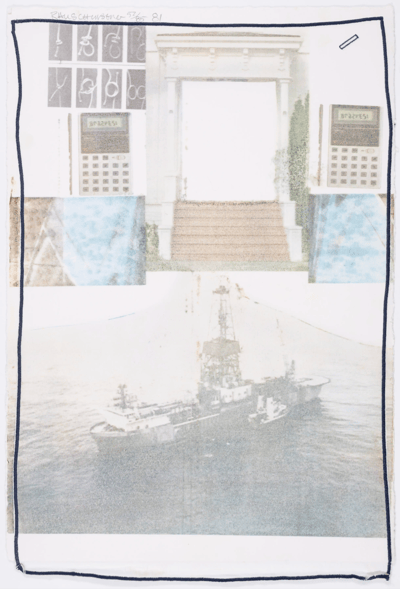
Robert Rauschenberg
Arcanum VII, 1981
Limited Edition Print
Collage
Inquire For Price
Related Articles


Charcoal is made from charred wood and is used in both initial sketches and finished drawings. It can be easily smudged or erased, making it versatile for corrections. To make charcoal drawings permanent, a fixative like resin or gum is required. It’s especially useful for sketching first ideas on walls or canvas.
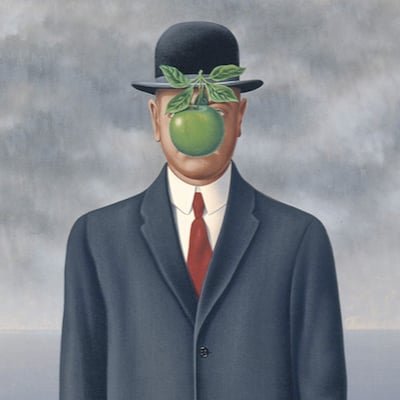
Surrealism began in the 1920s as an art and literary movement with the goal of revealing the unconscious mind and unleashing the imagination by exploring unusual and dream-like imagery. Influenced by Sigmund Freud’s theories of psychoanalysis, Surrealist artists and writers sought to bring the unconscious into rational life, blurring the lines between reality and dreams. The movement aimed to challenge conventional perceptions and express the irrational aspects of the human experience.
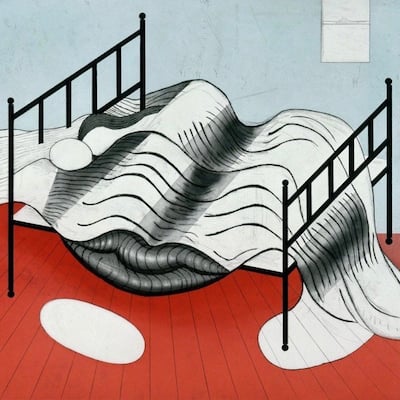
Postmodernism is an art movement that emerged as a reaction against authority and traditional boundaries, seeking to blur the lines between art and everyday life. It aimed to bridge the gap between the cultural elite and the general public by embracing eclectic mixtures of earlier conventions and styles. Postmodernist art often challenges established norms and celebrates diversity, irony, and pastiche, making it a movement that reflects the complexities of contemporary culture.
Can't find your Answer?
Thank you! Your question has been sent — we'll get back to you shortly.
