

What is pop-art?
- Show All
- Established
- Discoveries
- Show All
Artworks Related to Pop art

Ed Ruscha
He Up and Went Downtown, 2020
Sculpture / Object
Plate
GBP 2,350
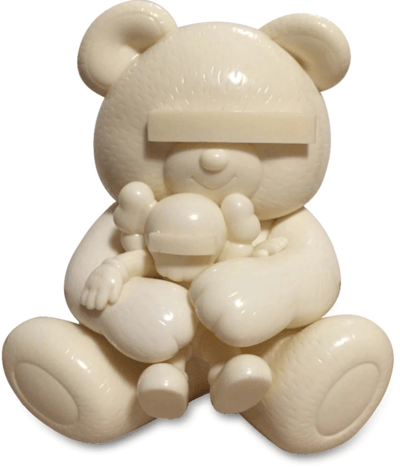
KAWS
Undercover Bear (white), 2009
Sculpture / Object
Mixed Media
Inquire For Price
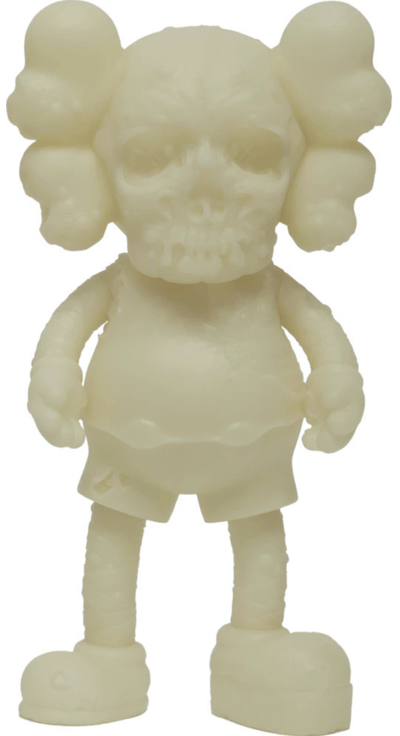
KAWS
Pushead Companion (Glow in the dark), 2006
Sculpture / Object
Mixed Media
Inquire For Price

Takashi Murakami
BLACKPINK Pandakashi (Pink), 2023
Limited Edition Print
Mixed Media
GBP 2,390

Damien Hirst
Untitled (Spin circle), 2009
Painting
Acrylic on paper
GBP 15,000 - 20,000

Damien Hirst
Untitled (spin star), 2009
Painting
Acrylic on paper
GBP 15,000 - 20,000

Damien Hirst
Untitled (spin butterfly), 2009
Painting
Acrylic on paper
GBP 15,000 - 20,000

Ed Ruscha
Actual Size, 2024
Limited Edition Print
Mixed Media
GBP 2,000

Julian Opie
Esther, 2025
Limited Edition Print
Mixed Media
GBP 15,450

Julian Opie
Keyush, 2025
Limited Edition Print
Mixed Media
GBP 15,450

Andy Warhol
Gun Collection Photgraph
Limited Edition Print
Gelatin Silver Print
Inquire For Price

Robert Indiana
KvF VIII (from Berlin Series), 1990
Limited Edition Print
Serigraph
Inquire For Price

Takashi Murakami
Vapor Trail, 2004
Limited Edition Print
Offset Print
GBP 5,400

Damien Hirst
Untitled B (Spot Drawing), 2025
Limited Edition Print
Pigment print
GBP 10,000 - 12,000

Julian Opie
Paper Head 4, 2019
Limited Edition Print
Mixed Media
GBP 8,500 - 12,000
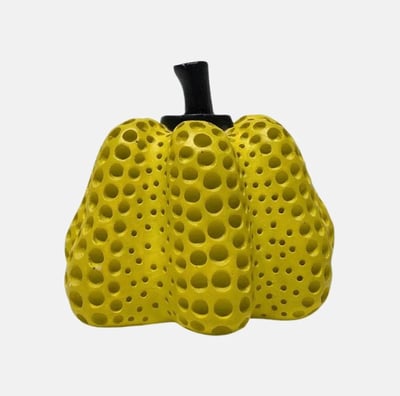
Yayoi Kusama
Yellow Pumpkin, 1998
Sculpture / Object
Resin
GBP 25,000 - 30,000
Related Articles


Plastic is a material made from synthetic or organic compounds that can be molded into various shapes. It became a popular medium for artwork in the 20th century. Plastics can be cut, shaped, assembled, and painted with acrylics, making them versatile for creating new objects and art forms.

A C-type print, also known as a chromogenic print, is a photographic print made from a color negative or slide. The print is created on chromogenic paper, which contains three emulsion layers, each sensitized to a different primary color. After exposure, the paper is processed in a series of chemical baths, where each layer reacts to the chemicals to produce the final image. C-type prints are known for their rich color depth and are widely used in fine art and commercial photography.
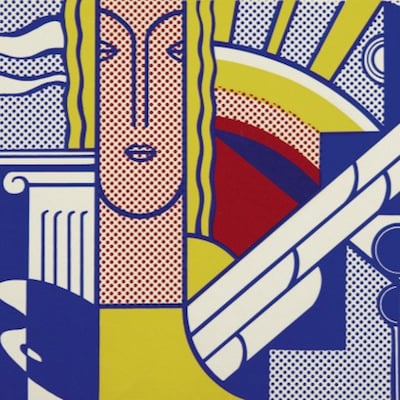
Late Modernism refers to the continuation and evolution of Modernist principles in art, architecture, and literature from the mid-20th century into the late 20th century. This movement maintains a focus on form, abstraction, and the rejection of traditional styles, but it often incorporates more complexity and ambiguity compared to early Modernism. Late Modernism explores themes such as alienation, identity, and the fragmentation of reality, reflecting the social and cultural shifts of the post-war period. It is seen in the works of architects like Louis Kahn and artists like Francis Bacon, who pushed the boundaries of Modernism while responding to the changing world around them.
Can't find your Answer?
Thank you! Your question has been sent — we'll get back to you shortly.
