
What is site specific art?
- Show All
- Established
- Discoveries
- Show All
Artworks Related to Site Specific Art

Javacheff Christo
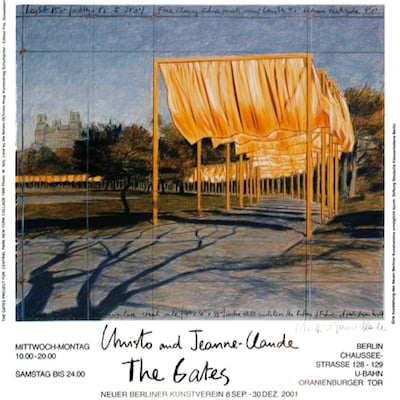
The Gates längs und quer M2, 2005
Photography
Photograph
EUR 6,000

Javacheff Christo
The Gates Lange Reihe M1, 2005
Photography
Photograph
EUR 6,000
Javacheff Christo
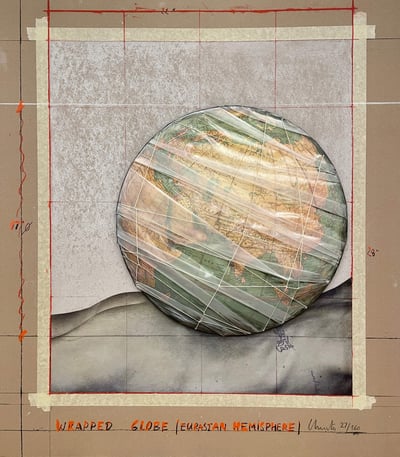
Wrapped Globe, 2020
Limited Edition Print
Collage
Inquire For Price

Javacheff Christo
Wrapped Reichstag/Berlin Nachmittag, 1995
Limited Edition Print
Photograph
EUR 10,000
Javacheff Christo
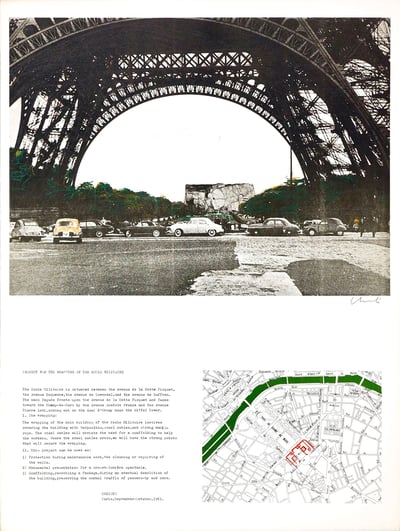
Project Ecole Militaire, Paris, 1961
Limited Edition Print
Lithograph
EUR 3,800

Javacheff Christo
Kunsthalle Bern, 1972
Limited Edition Print
Mixed Media
EUR 18,000
Blek Le Rat
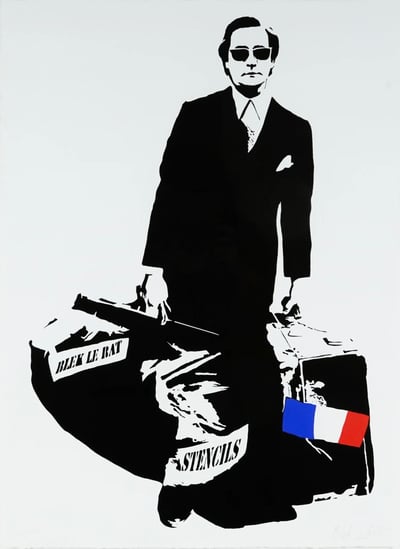
Man Who Walks Through Walls, 2007
Limited Edition Print
Silkscreen
EUR 2,250
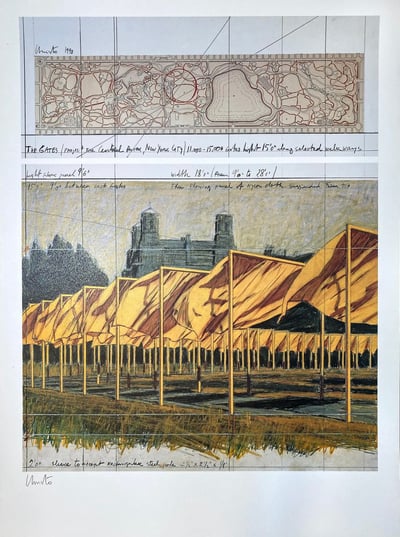
Javacheff Christo
The Gates Project for Central Park (III), 1990
Limited Edition Print
Offset Print
Currently Not Available

Roy Lichtenstein
Haystack #1, 1969
Limited Edition Print
Lithograph
USD 19,300

Jaume Plensa
Mod. 1/Mod. 2, 2023
Limited Edition Print
Relief printing
EUR 12,000
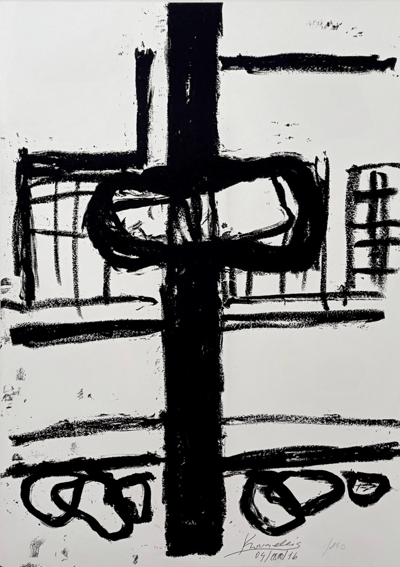
Jannis Kounellis
Opera in ricordo di Mauro Rostagno, 2000
Limited Edition Print
Screen-print
EUR 850
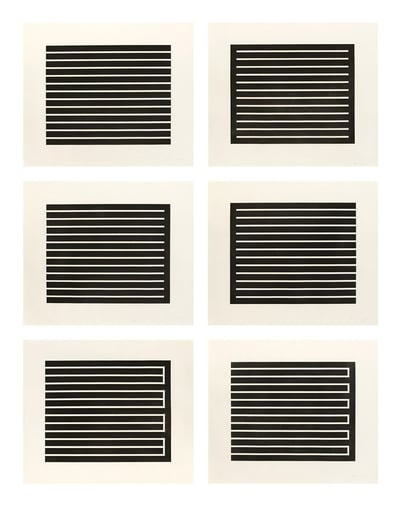
Donald Judd
Untitled (set of 6), 1980
Limited Edition Print
Aquatint
Currently Not Available
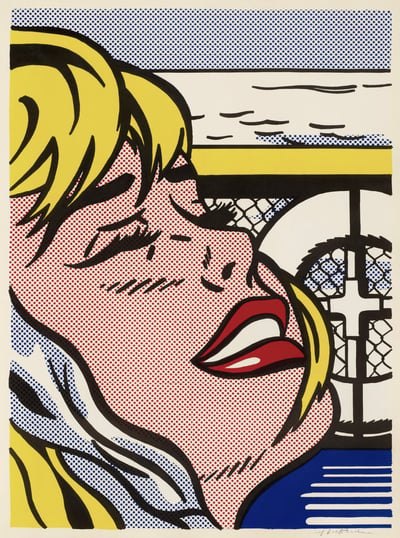
Roy Lichtenstein
Shipboard Girl, 1965
Limited Edition Print
Offset Print
Currently Not Available
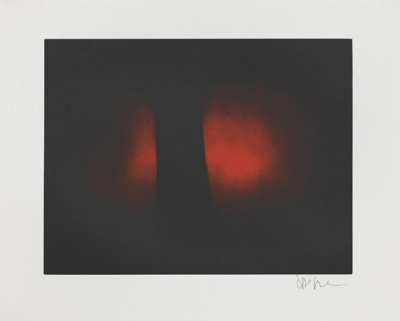
Anish Kapoor
Untitled (red on dark background), 2015
Limited Edition Print
Etching
GBP 5,300

Nicolas Party
Trees, 2020
Limited Edition Print
Woodcut
GBP 6,000

Nicolas Party
Untitled Blue, 2016
Limited Edition Print
Mixed Media
GBP 4,850
Related Articles
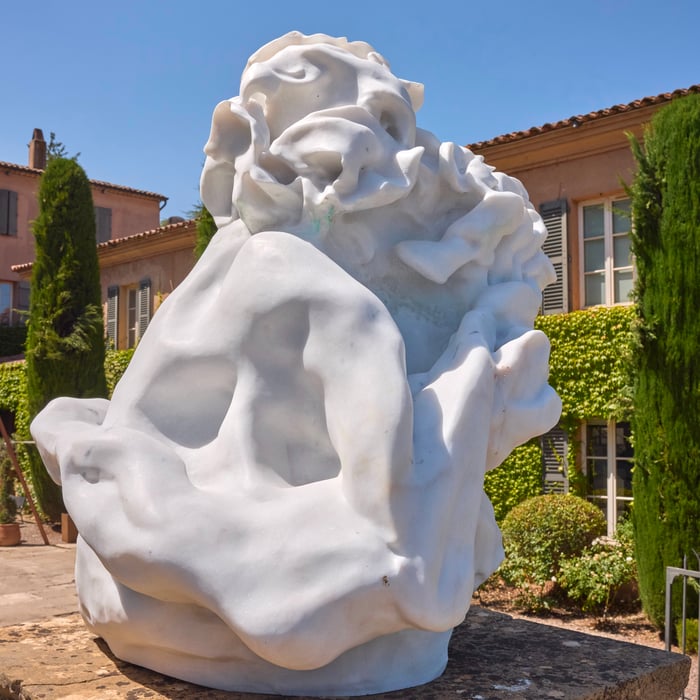
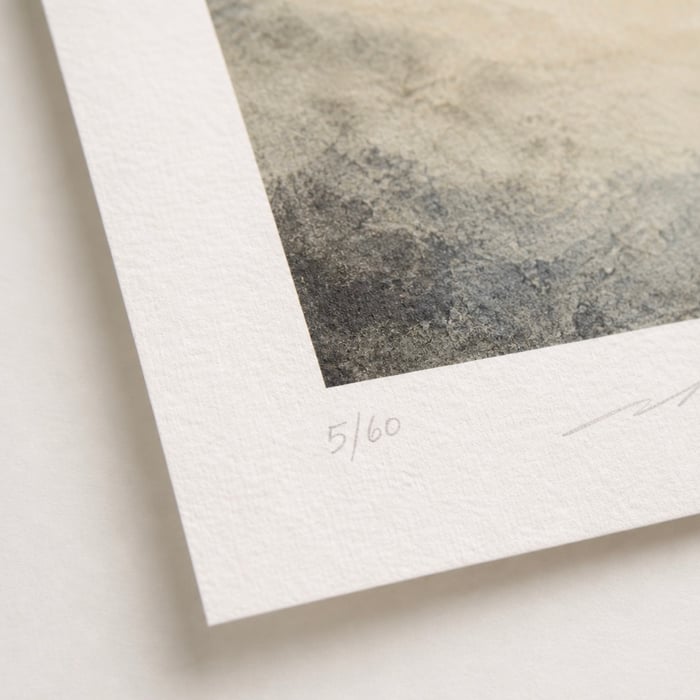


A triennial is a large-scale art exhibition that takes place every three years. These exhibitions often feature the latest artistic developments, works, and emerging artists on an international scale, involving major institutions from around the world. Triennials are significant events in the art world, offering a platform for contemporary art and fostering global cultural exchange.

Viennese Actionism was a short-lived but intense art movement in the 20th century, emerging as part of the broader action art efforts of the 1960s. Known for its violent and provocative performances, the movement sought to break traditional art boundaries. Key figures in this movement included Arnulf Rainer and Hermann Nitsch.

Marouflage on canvas is a technique where a paper artwork is affixed to a canvas using a transparent adhesive. This method is often used to avoid the need for framing behind glass and is usually reversible. Marouflage helps to preserve the artwork while allowing it to be displayed like a traditional painting.
Can't find your Answer?
Thank you! Your question has been sent — we'll get back to you shortly.
